
Ways to use printables: 12 creative ideas for 2026

TL;DR:
- Printables are digital files designed for printing and use in crafts, organization, education, and décor, with increasing accessibility due to tools like the Cricut Joy™ 2. They offer quick, professional-looking results for home décor, organization, crafting, and gift wrapping when used with appropriate materials and routines.
Printables are defined as downloadable digital files designed to be printed at home or via a print shop, then used across crafts, organisation, education, and décor. The range of ways to use printables has expanded dramatically, with tools like the Cricut Joy™ 2 and materials such as cardstock making complex results accessible to complete beginners. Whether you want quick wall art, a structured planner system, or engaging activities for children, printables deliver results without specialist skills or expensive supplies. Craftsuprint offers hundreds of ready-to-print designs across every category covered in this guide.
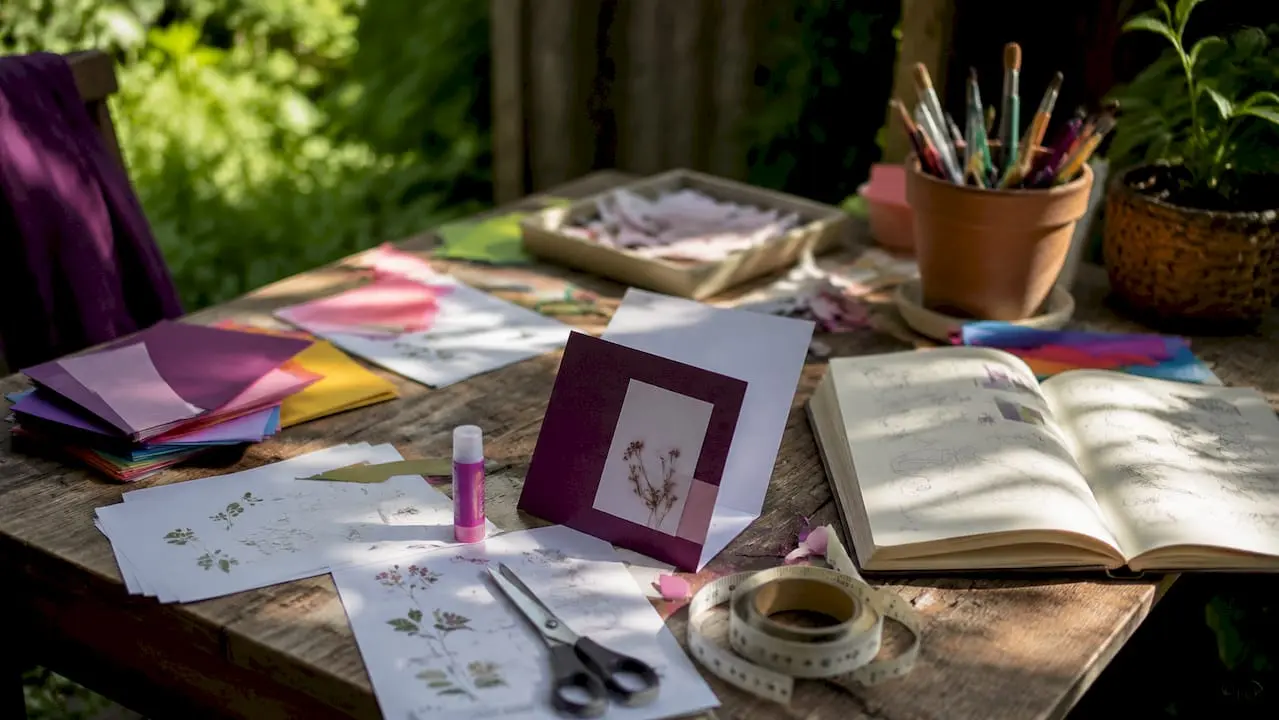
1. What are the best ways to use printables for home décor?
Print and frame is the simplest way to use digital printables for seasonal or everyday décor. Print your chosen design on cardstock or regular paper, slip it into a frame, and you have instant wall art. Seasonal décor swaps become effortless when you keep a few frames on kitchen shelves, entry tables, or bathroom nooks and simply swap the printed insert each month.
Gift tags are another underused application. Print a sheet of decorative tags, cut them out, punch a hole at the top, and thread ribbon or twine through. The result looks considered and handmade, and the whole process takes under ten minutes.
Pro Tip: Print seasonal designs on 160 gsm cardstock rather than standard copy paper. The extra weight prevents curling inside frames and gives the finished piece a professional feel.
- Print on cardstock or regular paper and frame for instant wall decoration
- Display in kitchen shelves, entry tables, and bathroom nooks
- Use as gift tags with ribbon or twine for a handmade finish
- Swap framed inserts seasonally without buying new frames
2. How can printables organise your daily and weekly life?
Printable planner systems are most effective when maintained weekly with a consistent 10–15 minute setup routine. That single habit separates people who use their planner for a week and abandon it from those who rely on it year-round. The format you choose matters less than the routine you build around it.
Three planner formats suit different lifestyles. Weekly layouts give a broad view of commitments and work well clipped to a clipboard on a desk. Daily and hourly formats suit people managing appointments or project deadlines. Monthly overview sheets belong in a folder or binder for longer-range planning.
Planner cadence should match your system. Clipboard users benefit from printing one week at a time. Folder and binder users can print a full month in one batch, which reduces interruptions. Adding printable tags, dividers, and tuck-in cards to a binder turns a basic folder into a genuinely useful reference system.
Pro Tip: Print your weekly page on Sunday evening and fill in fixed commitments before Monday arrives. That single step removes the friction that causes most planner systems to fail.
- Choose a format: weekly, daily/hourly, or monthly overview
- Select a housing system: clipboard, folder, or ring binder
- Print in batches that match your cadence (weekly or monthly)
- Add printable dividers, tags, and tuck-in cards for quick navigation
- Spend 10–15 minutes each week reviewing and refreshing pages
3. How to use printables for crafts: journaling and layering
Patterned-paper printables serve as backgrounds and partial pages in junk journaling, one of the fastest-growing paper craft formats. You print a decorative sheet, tear or cut it to size, and layer it beneath journal cards, tags, or envelopes. The result has visual depth that a plain notebook page cannot replicate.
Combining digital printables with physical ephemera such as postage stamps, fabric scraps, or pressed flowers creates the layered, textured effect that defines the genre. The printable provides structure and colour; the physical materials add surprise and tactile interest. Craftsuprint’s crafting techniques guide covers this layering method in detail.
Pocket templates and printable envelopes add a functional dimension. Fold a printed envelope template, tuck a journaling card inside, and adhere it to a page. Readers of the finished journal can pull out the card, which creates an interactive element that flat pages cannot achieve.
| Printable type | Best use in journaling | Suggested material |
|---|---|---|
| Patterned paper | Background layers and page fillers | Standard copy paper |
| Journal cards | Focal points and written prompts | 120 gsm paper |
| Envelope templates | Interactive pockets | 160 gsm cardstock |
| Tag sheets | Labels, bookmarks, and accents | Cardstock |
4. How to use craft printables with a Cricut Joy™ 2
The Cricut Joy™ 2 supports Print Then Cut, a workflow where you print a design from Cricut Design Space and the machine then cuts precisely around it. Full drying before cutting is the single most important step. Wet ink causes the machine’s sensor to misread registration marks, which produces misaligned cuts.
Precise registration is what separates clean Print Then Cut results from frustrating ones. Use an inkjet printer with printable sticker material or cardstock, allow the print to dry fully, and load it flat onto the cutting mat. The machine reads the black registration marks printed around the design and cuts to within a fraction of a millimetre.
Shrink sheets add another dimension to machine-assisted crafting. Printable shrink sheets decrease in size by approximately 46% after heating and colours darken noticeably during the process. Scale your artwork up before printing to compensate, and allow the ink to dry completely before cutting and heating.
Pro Tip: When using shrink sheets, print a small test piece first. The 46% size reduction and colour shift are predictable, but testing on a scrap piece saves wasted material on your main design.
5. What are the best printable ideas for party and holiday decorations?
Printing party decorations on cardstock produces professional results at a fraction of the cost of shop-bought decorations. Cardstock adds weight and rigidity, which matters for items like cupcake toppers and banner flags that are handled repeatedly during an event. Standard copy paper suits flat elements such as table confetti or wrapping inserts.
Assembly follows a straightforward sequence:
- Print your chosen design on cardstock using the highest quality setting on your printer
- Trim along the outer edge using a craft knife and cutting mat, or sharp scissors
- Use a circle punch for cupcake toppers to achieve consistent, clean shapes
- Attach glue dots to the back and press onto lollipop sticks or ribbon
- String banner flags onto twine using a hole punch and double knot at each flag
For large print runs, a local print shop produces sharper colour and handles heavier cardstock than most home printers. Craftsuprint’s paper decorations and cards section stocks themed designs ready for this exact workflow.
Pro Tip: Buy a 12-inch paper trimmer rather than relying on scissors for straight cuts. The difference in edge quality is immediately visible, particularly on banner flags displayed at eye level.
6. How printables support children’s learning and development
Printable cutting strips with dashed lines are a proven tool for developing hand-eye coordination and scissor control in young children. The dashed line gives a child a clear visual target, which builds confidence alongside the physical skill. Kindergarten-level resources focus specifically on fine motor development through age-appropriate templates.
Themed cutting strips tied to seasons or animals hold attention far longer than plain lines. A child cutting along a penguin-shaped strip is practising the same skill as one cutting a straight line, but the themed version feels like play rather than exercise. That distinction matters for sustained engagement.
Printable craft templates for holidays and classroom activities give teachers and parents a structured starting point that can be adapted to any age group, from simple straight cuts for toddlers to intricate shapes for older children.
Printable activity ideas extend well beyond cutting practice. Colouring sheets, dot-to-dot templates, and seasonal craft kits all print in seconds and keep children occupied without screens. The art printables guide on Craftsuprint covers age-appropriate templates across multiple themes.
- Cutting strips with dashed lines build scissor control and hand-eye coordination
- Themed designs (animals, seasons, holidays) sustain engagement through play
- Colouring sheets and dot-to-dot templates offer screen-free activity
- Classroom packs allow teachers to print multiple copies for group activities
7. Using printables as gift wrap and packaging
Printable wrapping sheets, box templates, and belly bands turn a standard gift into something that looks custom-made. A printed box template folds flat for storage and assembles in minutes, which makes it practical for last-minute gifts. Belly bands, which are printed strips that wrap around a folded item, add a professional finishing touch to handmade gifts without requiring a full box.
Coordinated gift sets work particularly well with printables. Print a gift tag, a box template, and a card from the same design collection and the result looks intentional and cohesive. Craftsuprint’s printable gift ideas guide shows how to combine these elements effectively.
8. Creating printable cards for every occasion
Printable cards are one of the most cost-effective ways to produce handmade greetings at scale. A single card design prints two or four to a sheet, which means a pack of ten cards costs the price of cardstock and ink rather than shop-bought alternatives. Craftsuprint’s themed card collection covers birthdays, anniversaries, seasonal events, and everyday occasions.
The assembly process is straightforward. Score the fold line with a bone folder before creasing to prevent cracking on heavier cardstock. Add a printed insert for the message, and the finished card is indistinguishable from a commercially produced alternative.
9. Printable templates for scrapbooking layouts
Scrapbooking layouts benefit from printable templates because they remove the guesswork from page composition. A template defines where photos, journaling blocks, and decorative elements sit on the page. You print the template, arrange your materials on top, and adhere everything in place.
The printable templates guide on Craftsuprint explains how to merge digital templates with physical photographs and embellishments. Layering a printed patterned background beneath a physical photograph creates depth that a purely digital layout cannot replicate.
Key takeaways
Printables deliver the most value when matched to the right material, assembled with basic tools, and used within a consistent routine.
| Point | Details |
|---|---|
| Match material to use | Use cardstock for handled items like party décor and journal tags; copy paper suits flat display pieces. |
| Build a planner routine | A weekly 10–15 minute setup session is what makes printable planners work long-term. |
| Dry before cutting | Full ink drying is non-negotiable for Cricut Print Then Cut and shrink sheet projects. |
| Start with print and frame | Beginners get immediate, professional-looking results with zero specialist tools. |
| Layer for depth | Combining digital printables with physical ephemera creates richer, more engaging craft projects. |
Why I think most people underestimate printables
Most crafters I speak to treat printables as a shortcut. They download a design, print it, and move on. That approach works, but it misses the real potential of the format.
The projects that genuinely impress people are the ones that combine a printed element with something physical. A journal page that layers a printed patterned background beneath a torn map fragment and a handwritten note is more interesting than either element alone. The printable provides the structure; the physical material provides the soul.
The same logic applies to planners. The format is almost irrelevant. What determines whether a printable planner system works is the weekly routine built around it. I have seen people abandon beautifully designed systems within a fortnight because they never established the habit of sitting down and filling the pages in.
For anyone starting out, print and frame is the right entry point. You get a visible result in under ten minutes, which builds confidence. From there, the Cricut Joy™ 2 Print Then Cut workflow opens up sticker-making, precise die-cut shapes, and shrink sheet projects that feel genuinely impressive. The learning curve is shorter than most people expect, provided you let the ink dry fully before loading the mat.
— Rob
Discover thousands of printables on Craftsuprint
Craftsuprint is the UK’s leading marketplace for downloadable craft designs, with thousands of printable templates spanning party décor, cards, journaling kits, and seasonal collections.
Whether you are assembling your first party banner or building a junk journal from scratch, Craftsuprint has the designs and craft supplies to support every stage of the process. Browse the full Create & Craft downloads library for themed collections updated weekly, or claim your free member gift if you are a Create & Craft member. New designs are added regularly, so there is always something fresh to print and make.
FAQ
What are printables in crafting?
Printables in crafting are downloadable digital files, typically PDFs or image files, designed to be printed at home or via a print shop and used in projects such as card making, journaling, party décor, and home organisation.
What paper should I use for printable crafts?
Cardstock is preferred for printables that are handled repeatedly, such as party decorations and journal tags. Standard copy paper suits flat display pieces and wrapping inserts.
How do I use printables with a Cricut machine?
Print your design from Cricut Design Space, allow the ink to dry fully, then load the sheet onto the cutting mat. The Cricut Joy™ 2 reads the registration marks and cuts precisely around the printed design.
Can printables be used for children’s educational activities?
Printable cutting strips with dashed lines develop scissor control and hand-eye coordination in young children. Themed templates tied to seasons or animals sustain engagement by making practice feel like play.
How often should I update a printable planner?
A weekly setup routine of 10–15 minutes is the most effective cadence for printable planner systems. Clipboard users benefit from printing one week at a time; binder users can print a full month in a single batch.