
Beginners: Stitch cards fast with Craftsuprint printable patterns
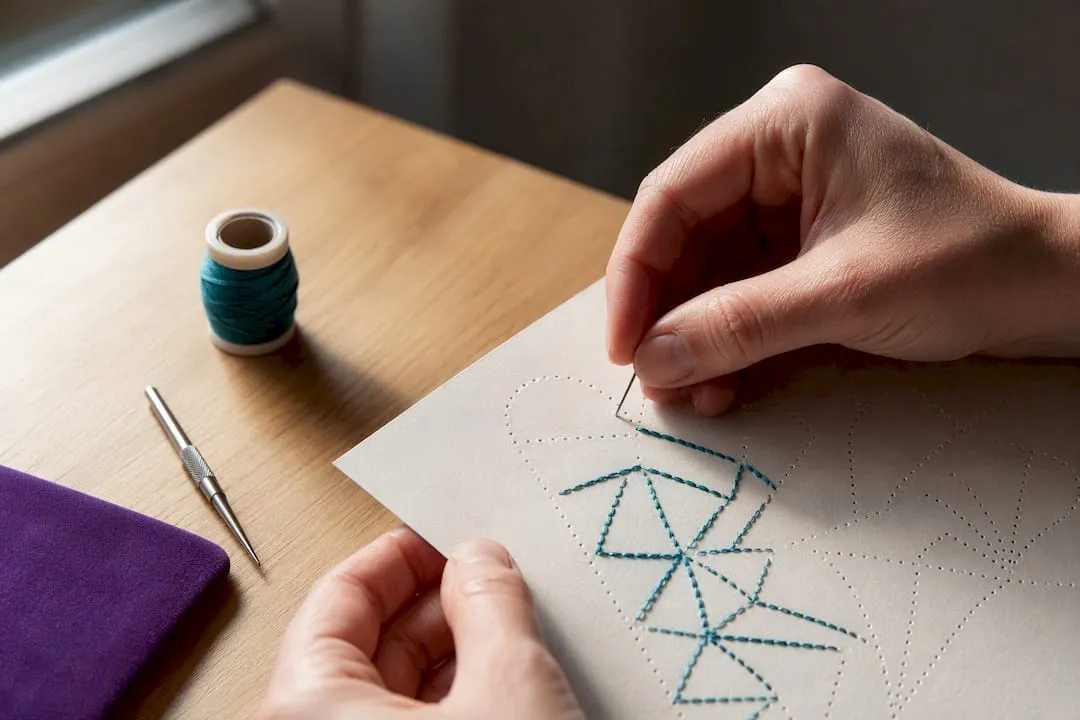
You can download printable stitching card patterns as a PDF or ZIP and make a finished hand-stitched card at home in an afternoon. Start with a simple prick-and-stitch design, check what the file includes before you print, and follow the numbered diagram step by step. There are online platforms offering downloadable patterns and tutorials built for exactly this starting point.
TL;DR:
- Beginners should start with small, simple motifs like flowers or silhouettes to master tension and spacing before progressing to denser designs.
- Use high-resolution PDF or ZIP files with clear numbered diagrams, written instructions, and appropriate patterns for your skill level and materials.
- A 200 to 300gsm cardstock and a perforating needle with a foam or pricking mat are essential for a neat and frustration-free stitching experience.
- Checking pattern sizes and scaling before printing is crucial to ensure accuracy, especially when transitioning between different device types and printers.
- Starting with one motif and completing it thoroughly offers more skill development than multiple unfinished projects and scales well to more complex designs later.
Table of Contents
- Where to find printable stitching card patterns
- Essential materials and tools for stitching cards
- Step-by-step prick-and-stitch tutorial for beginners
- Pattern styles and easy project ideas to start with
- How to prepare and print your digital pattern files
- Craftsuprint resources for patterns, tutorials and support
- Why I always tell beginners to start small
- Where to download patterns and kits to get started
- Quick links for file handling and pricking tools
- Sources
- FAQ
Where to find printable stitching card patterns
Free sources are a good place to test the technique before spending anything. Craft blogs and curated Pinterest boards collect prick-and-stitch and paper embroidery patterns shared by hobbyists, though quality varies and some freebies skip the full instructions or only come in one size.
Paid marketplaces tend to close that gap. A single-pattern download or a multi-pack usually includes several sizes and a colour guide, which matters once you want to match a design to a specific card blank.
Before you print anything, check the download for:
- A clear numbered diagram showing the stitch order and direction.
- A pricking template with dots spaced for the needle size you own.
- Written step-by-step instructions, not just a picture of the finished card.
- The file format (PDF or ZIP) and enough resolution to keep pricking marks crisp at full size.
Our guide on how to choose card patterns goes into more detail on matching a pattern to your skill level and supplies.
Essential materials and tools for stitching cards
You do not need much to get started, but a few basics make the difference between a neat card and a frustrating one. Cardstock weighing 200 to 300gsm holds up well to repeated pricking without tearing, so test a single sample sheet before committing to a full batch.
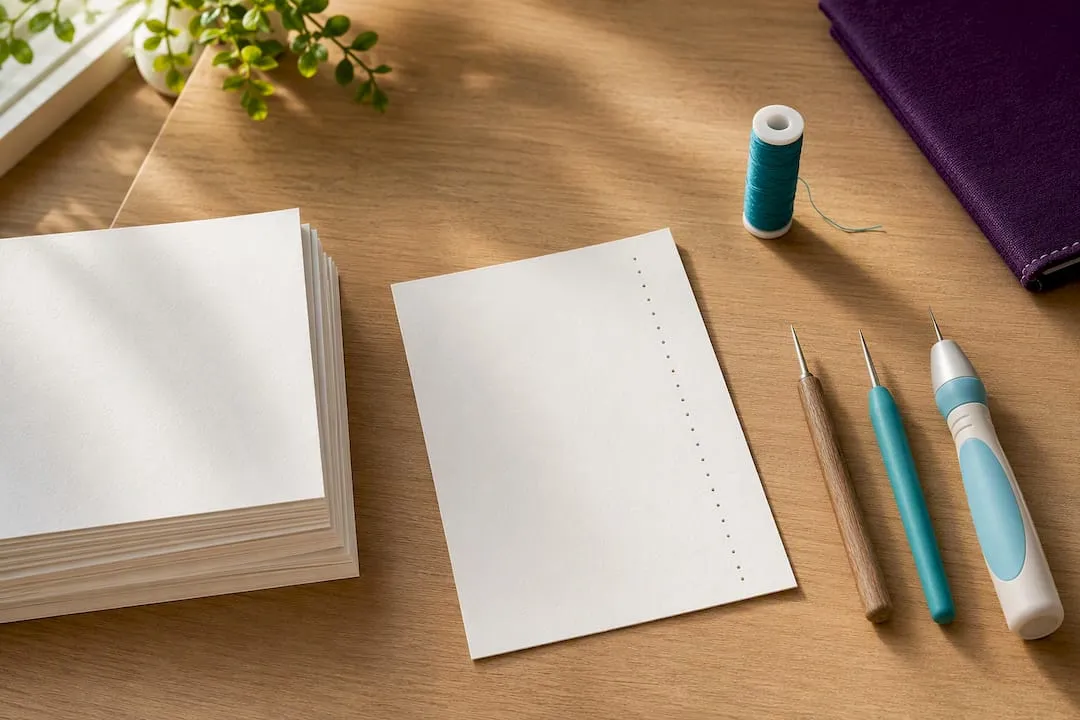
A perforating needle or pricking tool does the actual hole-making, and you will want a pricking mat or foam pad underneath the card to protect your work surface and give the needle somewhere to land. Pinflair-type pricking foam is a common choice for this, and a Pergamano perforating needle is a widely used tool for the pricking stage itself.
For stitching, an embroidery or crewel needle paired with stranded cotton gives you control over thread thickness, letting you separate strands for finer lines or keep them full for bolder motifs.
- Low-tack tape to hold the pattern steady without marking the card.
- A ruler for checking pattern alignment before pricking.
- A thimble if you are pricking through thicker card stock.
Pro Tip: Keep a small offcut of the same cardstock to test needle pressure before you prick the real panel.
Step-by-step prick-and-stitch tutorial for beginners
Once you have a pattern and the basics gathered, the process itself follows a short, repeatable sequence.
- Print and check. Print the pattern at 100% scale, never “fit to page”, then measure a reference line on the printout against the pattern’s stated dimensions.
- Secure and prick. Centre the pattern on your card blank, tape it lightly at the corners, then prick through every marked dot into your foam or pricking mat.
- Follow the numbered diagram. Thread your needle and work the stitches in the sequence shown. Running stitch or backstitch lines are the easiest place to start, and it is worth saving satin-fill sections for small blocks once you are comfortable with tension.
- Knot and finish. Tie off each thread neatly on the back, tuck the knots under a backing panel so they never show through, then mount the stitched panel onto your card blank.
A pattern with a moderate number of pricked holes is typical for a small single-motif design, which is a manageable count for a first project without eating a whole evening.
If a hole gets missed during pricking, it is usually faster to re-prick it once you spot the gap than to try stitching around it. Uneven tension is the other common snag: pull each stitch just tight enough to lie flat against the card, since over-tightening puckers the paper and under-tightening leaves loose loops on the front.
Pattern styles and easy project ideas to start with
A single-flower motif, a small animal silhouette or a simple sentiment frame are all forgiving first projects, since each uses a limited hole count and a straightforward stitch path. Birthday and thank you cards suit these small motifs particularly well because the design does not need to fill the whole panel.
For sizing, small motifs work best on A6 or A5 card blanks. Once you are past your first attempt, multi-size pattern packs let you scale the same design up for a larger card or down for a gift tag without redrawing anything.
- Pick one motif and stitch it in three different thread colours for a coordinated notecard set.
- Use the same pattern at two sizes to compare how detail holds up when scaled down.
- Try a sentiment frame around a printed or stamped greeting for a quicker finish.
How to prepare and print your digital pattern files
Most patterns arrive as a PDF or inside a ZIP folder, and the unzipping step trips up more beginners than the stitching does. Windows has built-in tools for compressing and uncompressing ZIP files, so no extra software is needed on a desktop machine, while mobile devices sometimes need a dedicated app or a system feature to open the same folder.
A high-quality or “best” print setting keeps pricking dots sharp rather than fuzzy, which matters once you are trying to find the exact centre of each mark with a needle.
- If a pattern prints too large or small, check your print dialogue for a scaling override set to anything other than 100%.
- If the image looks blocky once printed, the source file itself may be low resolution rather than a printer setting.
- Keep a printed copy of the numbered diagram next to you while stitching so you are not swapping between screen and card.
Our guide to digital paper crafts covers file handling in more depth if you regularly work across different devices.
Craftsuprint resources for patterns, tutorials and support
Some digital craft marketplaces carry downloadable stitching patterns alongside step-by-step tutorials, so a beginner pattern and its instructions may come from the same download rather than being pieced together from separate sources. Themed mini-kits often group a motif with matching backing papers and sentiments, which saves hunting for coordinating pieces separately.
Some platforms run programs that let independent designers earn commission when their patterns sell, alongside weekly freebies and community contests for crafters who want more than just a download.
- Browse Card Making for prick-and-stitch and paper embroidery patterns.
- Check Paper Craft for complementary backgrounds and mounting papers.
- Read our printable card design ideas for more finished examples and print tips.
Why I always tell beginners to start small
Pick one simple motif and finish it before buying a second pattern. A completed set of three plain notecards teaches you more about tension and hole spacing than a folder of half-started projects ever will, and the same prick-and-stitch skill scales up neatly into denser designs, mixed threads and multi-panel cards once the basics feel automatic.
— Rob
Where to download patterns and kits to get started
Once you know what a good pattern download should include, the quickest route is browsing a category built for it. Craftsuprint’s Card Making section holds pattern packs and printable downloads with the diagrams and instructions this guide has walked through, and the wider Paper Craft category covers backing papers and mounting pieces for the finished panel.
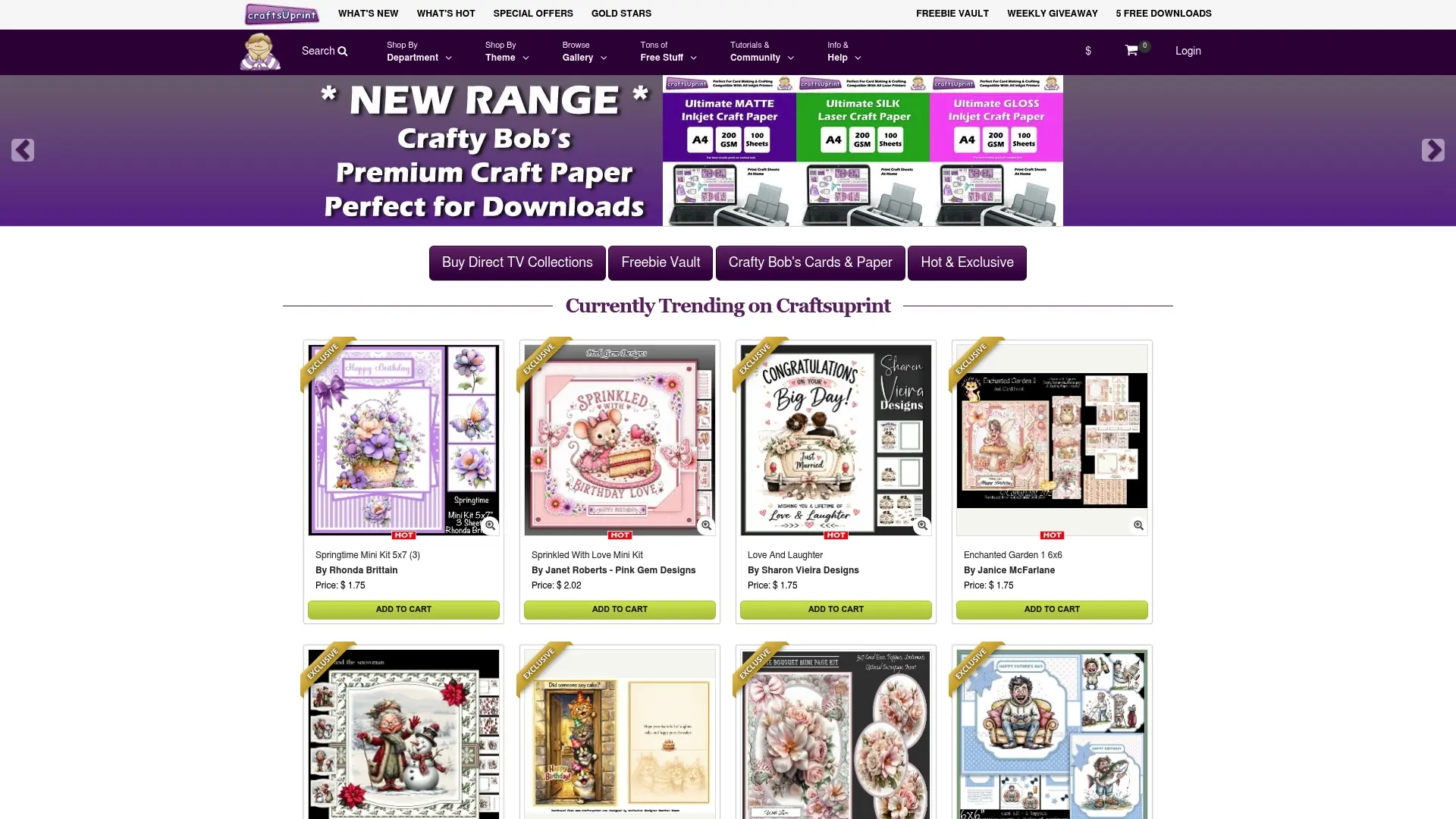
You will find both free designs and paid packs there, with paid packs generally including the multi-size options and full colour guides that free downloads sometimes skip. If you also need needles, thread or card blanks, the Craft Supplies category covers those in one place. Have a look through the pattern packs and starter kits and pick a first motif to prick this week.
Quick links for file handling and pricking tools
If you are stuck opening a downloaded pattern, Apple’s guide to unzipping files on Mac, Lifewire’s Android unzip instructions and Business Insider’s iPad ZIP guide cover the main device types. For tools, the pricking foam and perforating needle listings referenced earlier are practical examples of the kind of product to look for.
Sources
FAQ
Where can I find free stitching patterns for cards?
Craft blogs and curated boards such as this Pinterest collection offer free prick-and-stitch patterns, though they can lack multiple sizes or full written instructions. Paid pattern packs from marketplaces typically fill that gap with numbered diagrams and colour guides included.
Where can I find new stitching card patterns?
Certain digital craft marketplaces add new pattern packs and themed mini-kits regularly, alongside weekly freebies for crafters who want to try new designs. Community boards and craft blogs are also useful for spotting fresh free designs between marketplace releases.
How do I make a stitched card?
Finish by knotting threads neatly on the back and mounting the stitched panel onto a card blank.
What are some simple stitching ideas for beginners?
A single-flower motif, a small animal silhouette or a plain sentiment frame all work well as first projects, since they use a limited hole count and a simple stitch path. Sticking to running stitch or backstitch before attempting satin-fill sections makes the learning curve gentler.