
Selling handmade card designs: profits, joy and real rewards
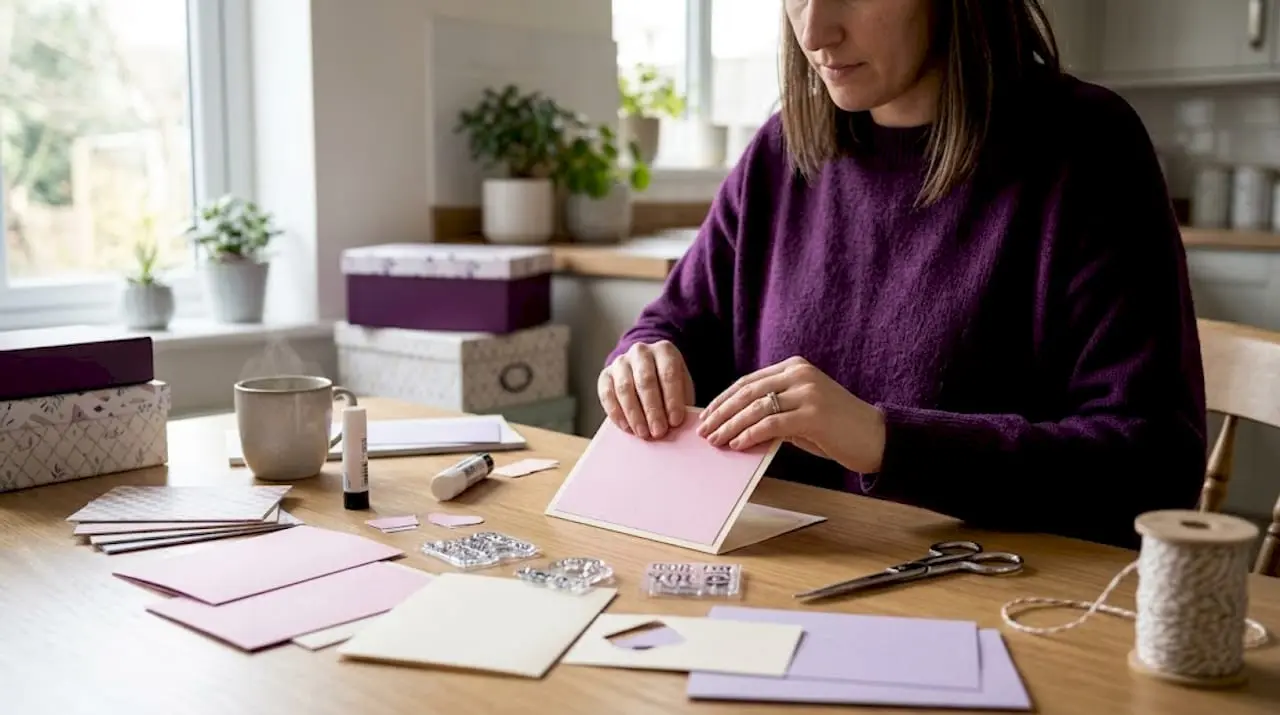
There is a persistent idea that card making is purely a pastime, a pleasant way to fill a Sunday afternoon with paper, glue, and glitter. But the numbers tell a very different story. The paper craft niche shows gross margins of 82.3% after materials, with an average sale price of $23.45 across nearly 40,000 order lines. That is not hobby territory. That is genuine business potential hiding in plain sight, and if you have been making cards for years without selling them, you may be sitting on something far more valuable than you realise.
Table of Contents
- The financial realities of selling handmade cards
- Connecting with buyers: where and how to sell your designs
- Creative and personal rewards of selling your handmade cards
- Pitfalls and misconceptions: what you need to know before selling
- What most guides miss about selling handmade card designs
- Ready to start selling your handmade cards?
- Frequently asked questions
Key Takeaways
| Point | Details |
|---|---|
| High profit margins | Handmade cards can net over 80% gross margin before labour and overhead. |
| Strong buyer demand | Online platforms offer a vast audience of shoppers looking for unique cards. |
| Not just about money | Selling brings satisfaction, community, and new creative motivation. |
| Start small, scale wisely | Begin with local sales or social media, then expand as confidence and demand grow. |
| Know the pitfalls | Proper planning and clear boundaries help avoid burnout and disappointment. |
The financial realities of selling handmade cards
Let’s clarify just how viable handmade card sales can be from a numbers perspective, because the figures are more encouraging than most crafters expect.
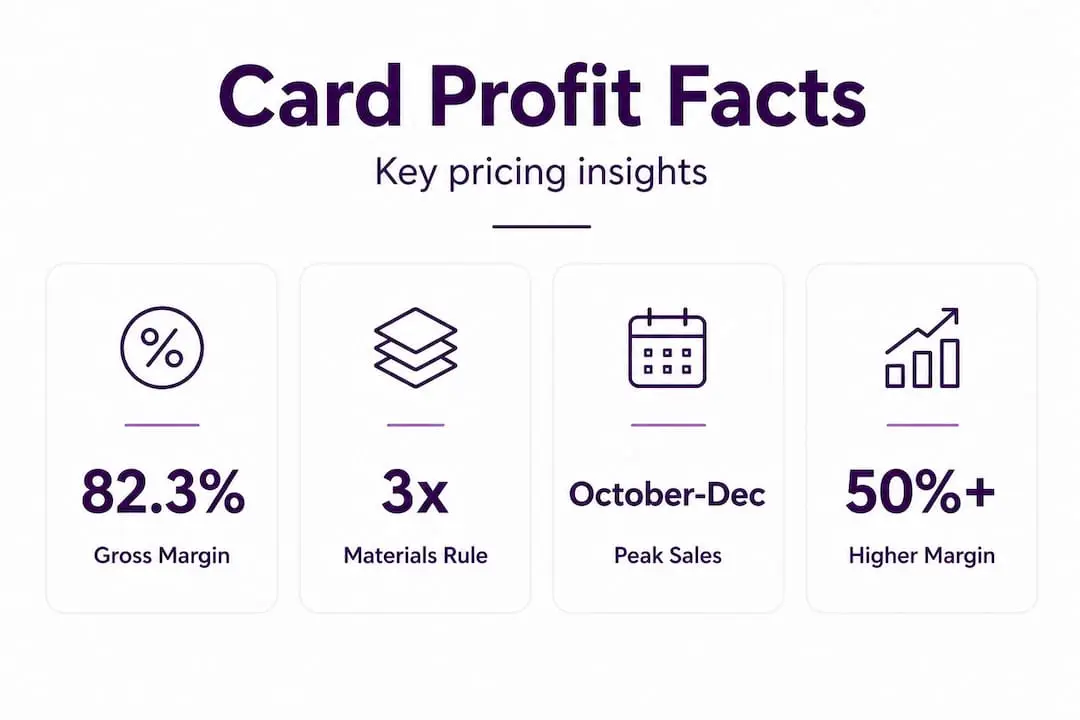
The headline number is striking. Gross margins of 82.3% for handmade paper crafts, including cards, puts this niche well ahead of most physical product categories. Candles, jewellery, and knitted goods all struggle to match that ratio. For context, most retail businesses consider a 50% gross margin healthy. Card making nearly doubles that benchmark.
However, gross margin only tells part of the story. It measures materials against selling price, which means it does not account for your time, platform fees, packaging, or postage. When you factor in those overheads and your actual labour, net profit typically lands somewhere between 20% and 40%. That is still excellent, but it requires honest accounting from the start.
| Metric | Paper craft cards | Typical retail benchmark |
|---|---|---|
| Gross margin | 82.3% | ~50% |
| Average sale price | $23.45 | Varies widely |
| Estimated net margin | 20% to 40% | 10% to 20% |
| Order line data points | 39,869 | N/A |
Many crafters supplement their income by offering card making tutorials, running online workshops, or selling digital versions of their designs. This is smart diversification. Physical cards have natural limits: each one takes time to make, pack, and post. Digital designs, by contrast, can be sold repeatedly with no extra production cost, which is where the real scalability lives.
Pro Tip: Before you price a single card, write down every cost involved: materials, your time (even at minimum wage), packaging, platform fees, and a share of any subscriptions or tools you use. Only then will you know your true floor price. Many first-time sellers price cards at what feels right rather than what the maths demands, and that habit quietly drains any profit they make.
A useful rule of thumb is the “times three” pricing method. Take your material cost and multiply it by three. That number should be your starting point, not your ceiling. From there, account for your time at a fair hourly rate and adjust upward if your designs are particularly intricate or unique. Underpricing is the single most common financial mistake in this niche, and we will return to it shortly.
Connecting with buyers: where and how to sell your designs
With a sense of what is possible financially, the next question is how you actually reach customers eager to buy your cards.
The good news is that demand is proven and growing. Etsy alone has 95 million active buyers seeking unique handmade items, and successful card sellers on the platform regularly earn hundreds to thousands of pounds per month. That audience did not exist twenty years ago. The internet has made it possible for a maker in a small town to reach collectors and gift buyers across the world without leaving the kitchen table.
That said, Etsy is not the only route, and it is not always the best starting point. Different platforms suit different stages of a seller’s journey.
| Platform | Audience size | Ease of entry | Main fees | Best for |
|---|---|---|---|---|
| Etsy | 95M+ active buyers | Easy | Listing + transaction fees | Scaling up, broad reach |
| Local craft fairs | Varies by location | Moderate | Stall hire | Testing prices, direct feedback |
| Social media (Instagram, Facebook) | Unlimited potential | Very easy | Usually free | Building brand, early sales |
| Craftsuprint | Craft-focused buyers | Easy | Platform percentage | Digital designs, repeat sales |
| Personal website | Grows with effort | Moderate | Hosting costs | Full control, brand building |
Experts consistently advise launching a card shop by starting locally and on social media before scaling to larger marketplaces. The reasoning is sensible: local fairs give you immediate, honest feedback from real buyers. You learn which designs attract attention, which price points feel comfortable, and how to describe your work in ways that resonate. That intelligence is invaluable before you invest time setting up a full online shop.
When you are ready to sell handmade cards online, here are the best practices worth following from day one:
- Photograph your cards in natural light against a clean, uncluttered background
- Write descriptions that focus on the occasion and feeling the card evokes, not just the materials
- Offer a small range of designs to start with, five to ten, rather than flooding your shop
- Respond to every customer enquiry within 24 hours to build your reputation early
- Collect and display reviews, as social proof is one of the strongest conversion tools available
- Use consistent branding across your packaging, social media, and shop page from the very beginning
- Experiment with seasonal collections timed around Christmas, Valentine’s Day, Mother’s Day, and Easter
Seasonal timing matters enormously in this niche. The period from October through December accounts for a disproportionate share of card sales across all channels. Planning your designs, stock, and listings at least six weeks ahead of key dates gives you a meaningful competitive advantage over sellers who scramble at the last minute.
Creative and personal rewards of selling your handmade cards
Income is not the only reason to sell your creations. There is a rich world of less tangible rewards that many sellers describe as equally important to the money.
There is something uniquely powerful about knowing that a card you designed and made by hand is sitting on someone’s mantelpiece, or was the first thing a grieving person opened in a difficult week. Handmade cards carry a weight that printed, mass-produced alternatives simply cannot replicate. Buyers feel that difference, and sellers feel it too when the messages of thanks arrive.
“Making cards to sell changed the way I approach my craft. Suddenly I was thinking about what other people needed, not just what I enjoyed making. That shift made me a better designer and, honestly, a happier one.” — sentiment shared by many experienced card makers in online crafting communities.
Card collecting trends also show that buyers increasingly value provenance and story. A card that comes with a note about its maker, the papers used, or the inspiration behind the design commands both a higher price and deeper emotional resonance. Selling gives you a reason to articulate your creative story, which in turn deepens your own connection to the work.
The community benefits are real and often underestimated. Selling your cards introduces you to other makers, to buyers who become loyal supporters, and to a wider world of creative dialogue that pure hobbyists rarely access. Research on the experience of monetising hobbies does caution that selling can occasionally diminish hobby joy if commercial pressure overwhelms creative freedom. The risk is real but manageable with clear boundaries.
Intangible rewards that sellers consistently report include:
- A renewed sense of purpose and direction in their creative practice
- Genuine pride in seeing their designs appreciated by strangers
- Connections with customers who return again and again
- A creative community that offers feedback, encouragement, and collaboration
- The confidence boost that comes from someone valuing your work enough to pay for it
- A sense of structure and productivity that pure hobby making sometimes lacks
These rewards compound over time. Sellers who persist through the early learning curve consistently report that the emotional satisfaction of running even a small card business outweighs the effort involved.
Pitfalls and misconceptions: what you need to know before selling
Those creative benefits are compelling, but to make an informed decision, let’s cover what to watch out for when you make the leap to selling.
The most dangerous misconception is that demand is automatic. Many first-time sellers assume that because their friends and family love their cards, strangers will queue up to buy them. Sometimes that is true. More often, it takes months of consistent effort to build a customer base, refine your listings, and understand what the market actually wants. Managing that expectation early prevents a lot of frustration.
Expert guidance consistently stresses the importance of tracking labour and overhead beyond raw materials. Most makers who feel their hobby-business has stalled are actually selling at a loss once their time is properly counted. They do not realise it because they have never costed their hours honestly.
Pro Tip: Schedule a monthly “numbers check” of no more than 30 minutes. Review what you sold, what it cost, and what you actually earned per hour. This single habit separates makers who grow their income from those who stay stuck.
For more hands-on selling advice specific to card markets, it is worth studying how experienced sellers handle pricing pressure, difficult customers, and platform algorithm changes. These are learnable skills, not innate talents.
Here are the top five mistakes to avoid as a first-time card seller:
- Underpricing from the start. Setting low prices to attract buyers signals low value and makes it nearly impossible to raise prices later without losing customers.
- Neglecting photography. Even the most beautifully made card will not sell if the listing image is dark, blurry, or cluttered.
- Ignoring seasonal calendars. Missing key gifting dates like Christmas and Mother’s Day means missing the majority of annual demand in this niche.
- Making everything by hand with no digital element. Purely handmade ranges hit a production ceiling fast. Introducing digital designs allows you to scale without burning out.
- Skipping customer feedback. Reviews and direct messages from buyers are the best free research available. Ignoring them means repeating avoidable mistakes.
Accessing crafting business tutorials that cover both the creative and commercial sides of selling is one of the most efficient ways to shorten your learning curve. Learning from those who have already made the common mistakes saves you considerable time and money.
Burnout is also a genuine risk, particularly for makers who start taking custom orders. Custom work is flattering and often well paid, but it replaces your creative freedom with someone else’s brief. Many experienced sellers cap their custom order intake deliberately, reserving the majority of their time for designs they genuinely enjoy making. That balance is not a compromise. It is a strategy.
What most guides miss about selling handmade card designs
Most guides frame card selling as a binary choice: either you are an artist protecting your creative soul, or you are a businessperson chasing profit. That framing is not just unhelpful. It is inaccurate.
The makers who sustain a running a handmade card shop long term are not the ones who sacrifice art for commerce, or who refuse to think commercially at all. They are the ones who build systems. They create design templates they genuinely love and reuse elements efficiently. They batch their making sessions rather than crafting in reactive bursts. They price honestly from the beginning, so they never resent their customers. These are not corporate habits. They are practical acts of self-respect.
There is also something worth saying about the role of community in long-term sustainability. Sellers who engage with other makers, share what they have learned, and celebrate each other’s wins stay in the game far longer than those who treat it as a solitary pursuit. The emotional resilience that comes from community is not soft or secondary. It is structural.
Another thing most guides skip is the importance of your “why.” Knowing why you make cards, whether it is the meditative focus of cutting and layering, the joy of giving someone the perfect sentiment, or the satisfaction of a beautifully composed design, acts as an anchor when sales are slow or motivation dips. Sellers who lose touch with their why are the ones who quit. Those who keep it front and centre find that even difficult commercial periods feel manageable.
Finally, failure is underrated as a teacher in this niche. A design that does not sell is not a defeat. It is data. A customer complaint handled well is a loyalty opportunity. A quiet month is a chance to experiment. The sellers who frame setbacks this way consistently outperform those who treat every obstacle as evidence that they should not be selling at all.
Ready to start selling your handmade cards?
By now, you should have a clear sense of the true rewards and realities involved in turning your card making into something more. The financial case is strong, the creative benefits are real, and the pitfalls are entirely navigable with the right preparation and support.
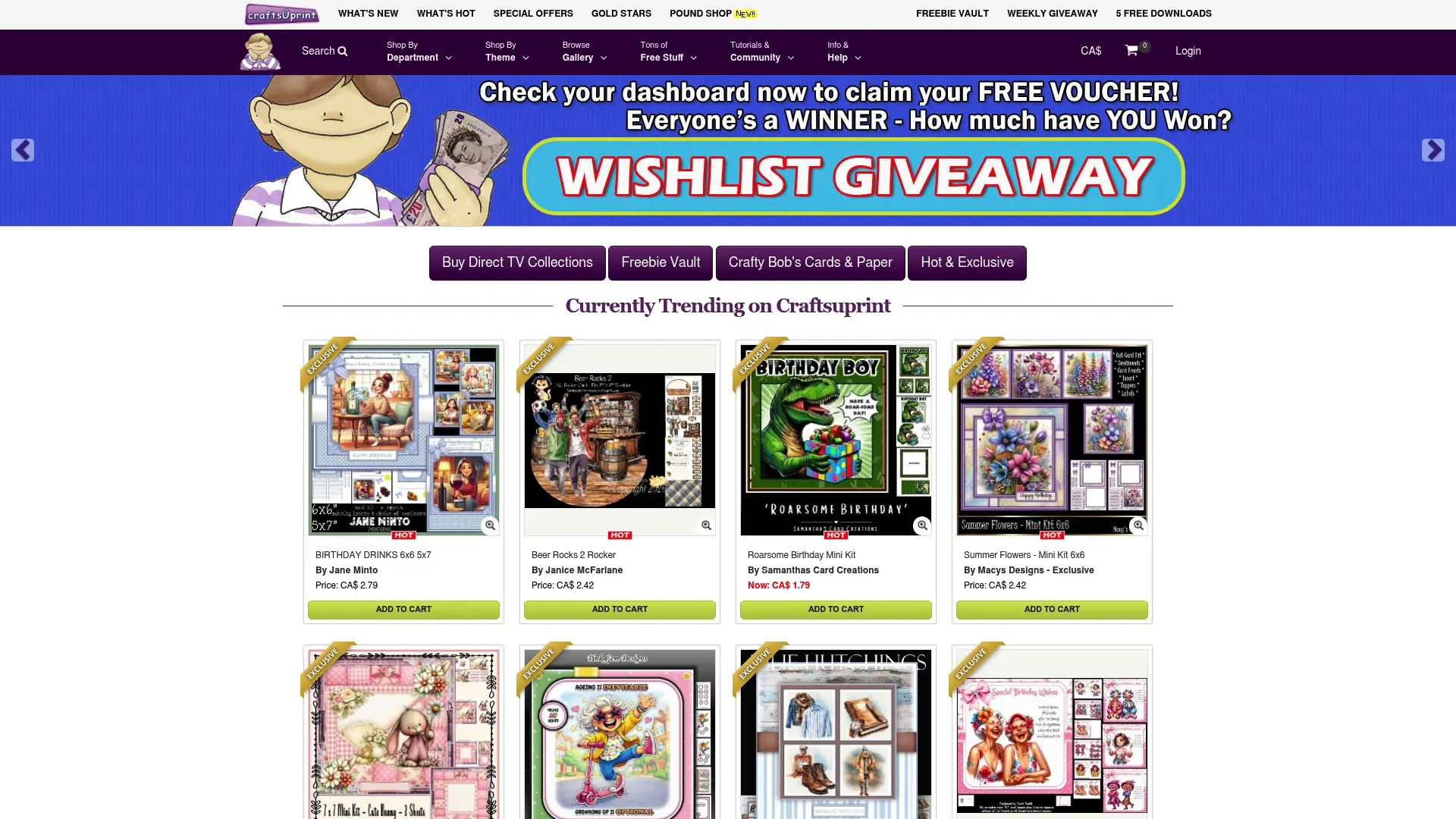
Craftsuprint is built precisely for makers at this stage. Whether you are looking for inspiration, ready-to-print design resources, or a marketplace to showcase your own digital card designs, you will find a community and a toolkit that fits your ambitions. Our card selling resources include tutorials, project ideas, themed kits, and a platform where independent designers earn real income from their creativity. The Gold Star programme rewards consistent contributors, and weekly freebies keep the creative energy flowing. Your next card design could be the one that changes everything.
Frequently asked questions
How much money can I realistically earn selling handmade cards?
Successful sellers can earn anywhere from hundreds to thousands per month, depending on quality, marketing, and effort. With 95 million active buyers on Etsy alone, the audience for handmade cards is substantial and proven.
What are the biggest expenses when selling handmade card designs?
Materials are the main cost, but you must also track your time, packaging, platform fees, and any marketing spend. Once you account for labour and overhead, net margins typically settle between 20% and 40%.
Is it possible to turn my card making hobby into a full-time job?
Most sellers begin part-time, but some do grow into a full-time income by diversifying across physical cards, digital downloads, and teaching. Supplementing with classes and social media content is a well-established route to scaling up.
Where is the best place to start selling my handmade cards?
Social media and local craft fairs offer low-risk entry points with immediate feedback, while marketplaces like Etsy provide access to millions of active buyers once you are ready to scale.
Will selling my designs sap the fun from my hobby?
Some makers find that selling deepens their enjoyment and sense of purpose. Others caution that commercial pressure can reduce hobby joy, so setting clear creative boundaries from the start is genuinely important.