
Seasonal craft trends in 2026: what you need to know
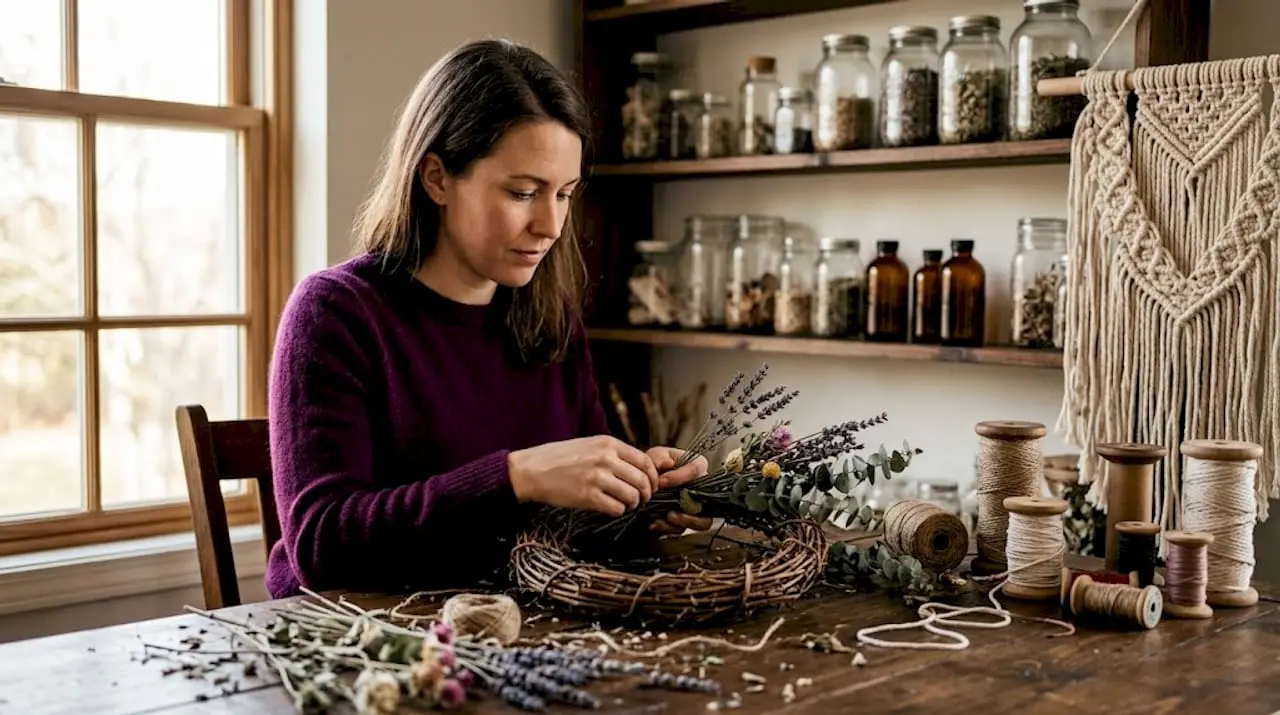
If you’ve ever wondered what are seasonal craft trends and whether they’re worth following, you’re not alone. Many crafters assume they’re just about swapping out a wreath for the next holiday, but the reality in 2026 is far more interesting. Seasonal crafting has become a genuine reflection of maker values: sustainability, skill, community, and self-expression. This guide unpacks the current craft trends shaping each season, from the materials people are choosing to the aesthetics they’re chasing, so you can make projects that feel both timely and timeless.
Table of Contents
- Key takeaways
- The rise of slow crafting and sustainable seasonal creativity
- Analogue skills driving seasonal craft interest
- Seasonal colour palettes and textures in 2026
- Technology and community in seasonal crafting
- Seasonal project ideas for every time of year
- My honest take on seasonal craft trends
- Bring your seasonal ideas to life with Craftsuprint
- FAQ
Key takeaways
| Point | Details |
|---|---|
| Slow crafting is leading | Crafters are shifting from disposable decor to reusable, heirloom-quality projects built with durable base materials. |
| Analogue skills are surging | Needlepoint, knitting, and sewing searches jumped dramatically in 2026, with skill-building now a social value among crafters. |
| Colour and texture define the season | Vibrant palettes like butter yellow, pistachio green, and cobalt blue, layered with tactile materials, are driving 2026 craft aesthetics. |
| Community is central | Shared craft nights and guided kit sales are growing fast, making seasonal crafting increasingly social and collaborative. |
| Versatility reduces waste | Using one durable base with rotating seasonal accents is the smartest strategy for both your creative output and your budget. |
The rise of slow crafting and sustainable seasonal creativity
The single biggest shift in seasonal craft trends right now is the move away from disposable decor. Where once crafters might have bought a bag of foam shapes, made something quick, and binned it by February, the 2026 maker is thinking in years, not weeks. Projects are being designed to last, to carry personal stories, and to improve with age.
This is partly a values shift. Crafters increasingly prioritise the longevity, history, and story behind objects, which is why vintage-inspired and heirloom-style seasonal pieces are replacing generic off-the-shelf decor. A dried floral arrangement made with your grandmother’s ribbon feels entirely different to a plastic garland from a discount store.
The materials leading this movement are telling. Dried and preserved florals are everywhere this season, as are natural textures like cotton rope, linen, and unbleached paper. Reusable bases, such as grapevine wreaths and wooden plaques, are paired with removable or replaceable accents. The logic is simple: high-quality bases with seasonal accents mean your wreath can transition from spring to autumn without you starting from scratch.
Zero-waste thinking has also entered the creative studio. The concept of rotating and restyling existing decor with different colour placements is gaining real traction, treating your home as a creative resource rather than a blank canvas you redecorate from scratch every few months. This approach saves money, reduces clutter, and challenges you creatively in the best possible way.
Some of the most popular sustainable craft approaches right now include:
- Upcycling glass jars, tins, and worn textiles into seasonal home accents
- Preserving foliage, seed heads, and flowers for year-round use in arrangements and wreaths
- Building a core kit of reusable supplies and rotating in affordable seasonal elements
- Choosing eco-conscious craft suppliers who use responsibly sourced materials
Pro Tip: Before buying new supplies for a seasonal project, do a “creative inventory audit.” Lay out everything you already own and look for materials that could be repurposed, repainted, or rearranged. You’ll often find the project you wanted was already in your stash.
Analogue skills driving seasonal craft interest
Here is where the data gets genuinely surprising. Analogue hobbies like knitting, crochet, sewing, and embroidery surged 136% in search interest in 2026, with yarn accessory sales growing 40% year on year. This is not a blip. It is a decisive cultural turn toward making things with your hands.
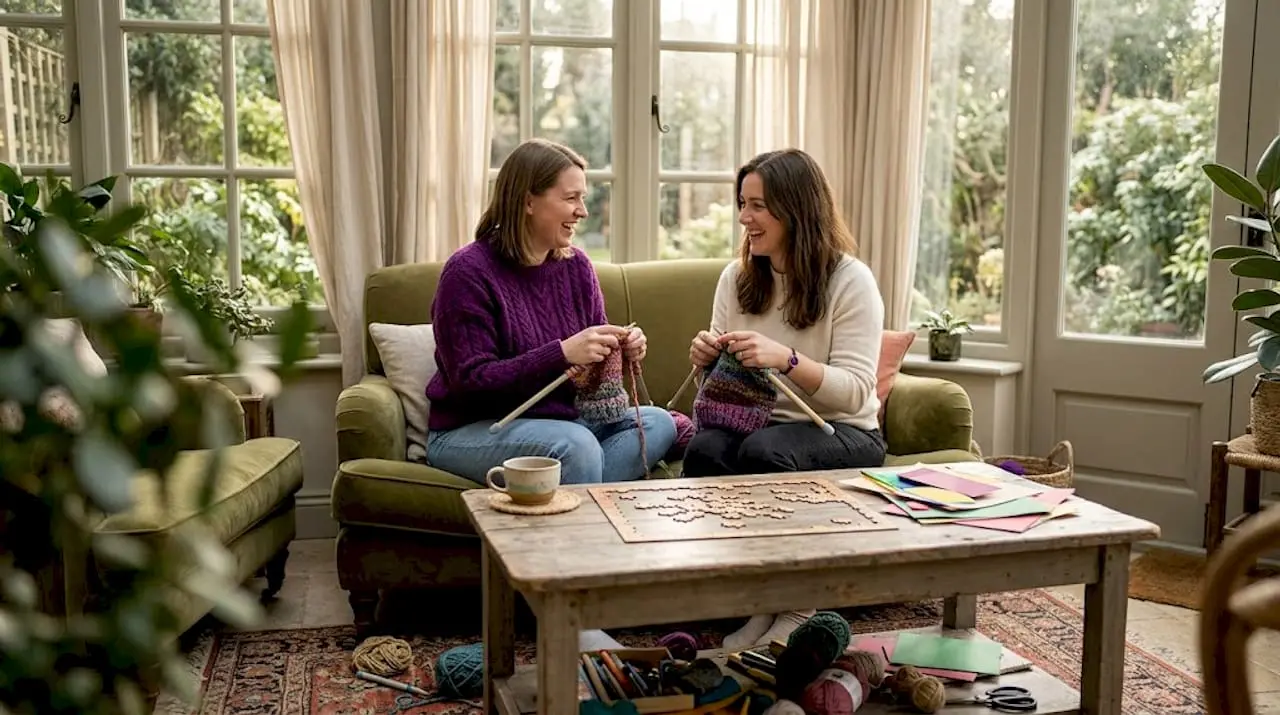
What is driving it? Part of the answer is that skill acquisition has become a new form of social currency within the crafting community. Knowing how to cross-stitch a winter sampler or sew a quilted table runner carries a kind of quiet status. It signals patience, creativity, and independence in a world increasingly dominated by instant gratification. Needlepoint searches jumped 251% in 2026 alone, and sewing pattern searches rose 152%. These are not nostalgic hobbies fading out. They are emerging craft styles with momentum.
The practical side matters too. 72% of crafters used creative projects to save money in 2026, making handmade gifts and home decor a genuinely economical choice. A hand-knitted winter candle cosy or an embroidered card costs a fraction of its shop-bought equivalent and carries far more meaning.
The skill-building trend follows a clear pattern that experienced crafters will recognise:
- Start with a simple technique (basic embroidery stitches, a beginner knitting cast-on)
- Build seasonal projects around that one skill to get repetition and confidence
- Layer in a second technique the following season, creating what makers call “skill stacking”
- Share the work in community spaces, which feeds both motivation and connection
That last point is not incidental. Shared making is one of the fastest-growing trends within what crafts are popular now. Seasonal craft nights, both in-person and online, have become social fixtures for many makers.
Seasonal colour palettes and textures in 2026
Colour is where seasonal craft trends become immediately visible and immediately exciting. The palette for 2026 handmade projects has moved decisively away from muted, safe tones toward vivid, leisure-inspired hues that feel genuinely joyful. Think butter yellow, pistachio green, and cobalt blue. These vibrant seasonal palettes reflect a broader cultural mood of optimism and personal expression, moving through spring and summer before softening into warmer spice tones for autumn and winter.
The shift is about wearability as much as vibrancy. These colours are bold but liveable, which is why they translate so naturally from fashion into home crafts and handmade cards. A pistachio green paper wreath or a cobalt blue hand-painted ceramic planter does not feel garish. It feels considered.
Texture is the other defining element of current craft trends. The top craft techniques this season all involve layering. Mixed fibres, visible brushstrokes, rough-hewn natural materials, and quilted surfaces are all having a moment. The 2026 craft aesthetic sits firmly in the “high-tech, high-touch” space, where makers want pieces that feel unmistakably handmade, full of intentional imperfection and tactile depth.
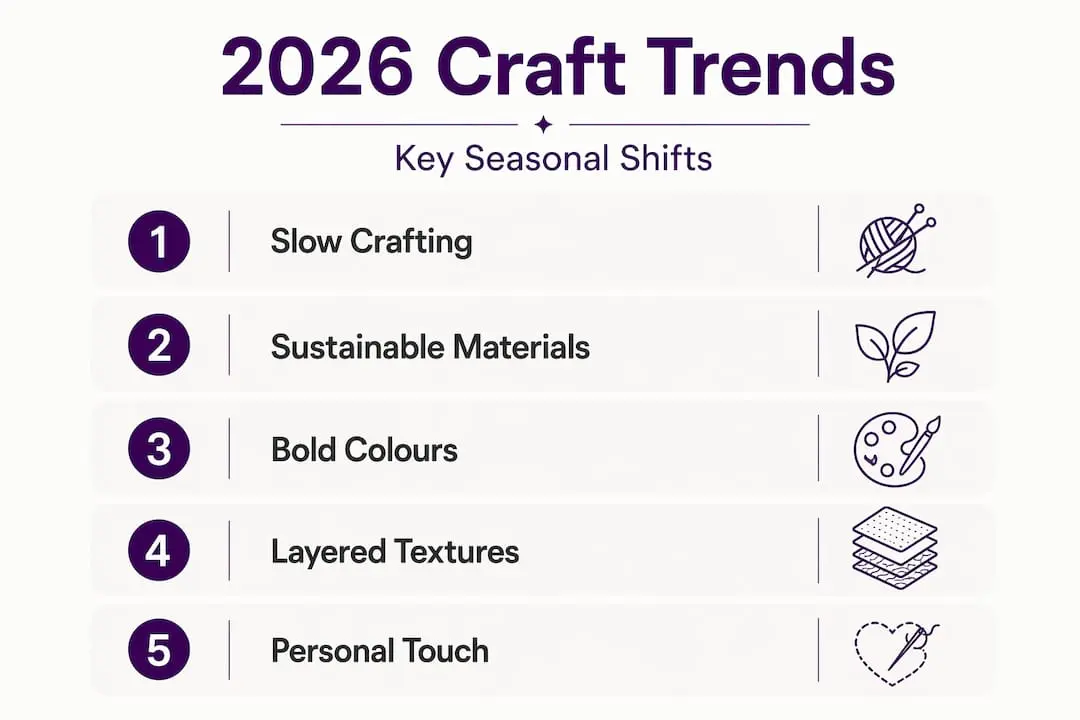
Here is how the seasonal aesthetic shifts across the year:
| Season | Dominant colours | Key textures | Trending themes |
|---|---|---|---|
| Spring | Pistachio, blush, soft white | Dried botanicals, linen | Nature revival, renewal |
| Summer | Cobalt blue, coral, butter yellow | Woven fibres, stamped surfaces | Leisure, seaside, maximalism |
| Autumn | Burnt sienna, rust, forest green | Pressed foliage, rough wood | Harvest, nostalgia, warmth |
| Winter | Deep burgundy, cream, gold | Knitted textures, velvet | Gifting, cosiness, tradition |
Pro Tip: When choosing your seasonal palette, pick one accent colour and let everything else stay neutral. A single cobalt blue element in a mostly linen arrangement creates far more visual impact than five competing colours, and it is far easier to swap out when the next season arrives.
Technology and community in seasonal crafting
Technology is not replacing hands-on making. It is making it more accessible, more social, and more personalised. This is one of the more nuanced points in understanding what are seasonal craft trends in 2026.
AI-assisted design tools are now used by a growing number of crafters to generate pattern ideas, test colour combinations, or scale a design for print before committing materials. Digital cutting machines, print-and-cut systems, and downloadable project templates have lowered the barrier for complex seasonal projects considerably. The result is that crafters can spend less time on setup and more time on the parts they love, whether that is hand-finishing, embellishing, or assembling.
Community has grown alongside technology, not because of it. Consider these telling shifts in how people craft together:
- Craft Night searches rose 103% year on year, with “Girls Night Crafts” up 242%
- Guided craft kit sales increased 86%, showing that people want structure and community alongside creativity
- Online workshops tied to seasonal projects have built dedicated followings, creating year-round maker communities
- Direct-to-consumer craft businesses, many run by independent designers, are thriving by serving niche seasonal aesthetics
Personalisation sits at the heart of all of this. Crafters want projects that feel specific to them: their home, their family, their story. Seasonal trends give a shared language, but the best makers use that language to say something entirely their own.
Seasonal project ideas for every time of year
Now for the practical part. Applying trending seasonal projects to real making is where the fun starts. Here is a season-by-season breakdown of projects that align with the top craft techniques and aesthetics of 2026.
Spring is the season for renewal and fresh textures. Dried floral wreaths on durable grapevine bases are the standout project, offering a beautiful base you can update year after year. Upcycled terracotta planters, painted in pistachio or blush and decorated with pressed botanicals, are also having a strong moment.
Summer calls for colour, playfulness, and projects that work outdoors or in bright spaces. Seashell wind chimes made with collected beach finds and cotton cord are a brilliant sustainable option. Fruit stamp tote bags, using cut citrus and fabric paint, make a joyful, low-cost project that kids can join in with.
Autumn is where texture and nostalgia collide. Pressed leaf art, framed with dried seed heads and natural twine, captures the season beautifully and costs almost nothing to make. Layering textures with odd-numbered groupings and off-centre accent placement gives autumn arrangements an elevated, organic quality that centred symmetry simply cannot match.
Winter is the season for gifting and cosiness. Hand-knitted mug cozies, soy wax candles in recycled jars, and homemade bath soaks with seasonal scents like pine and clove are all trending seasonal projects that recipients genuinely treasure.
Across every season, the smartest approach is to use durable base materials that serve as foundations and swap out inexpensive seasonal accents. One quality wreath base can carry twelve months of creativity.
My honest take on seasonal craft trends
I’ve been watching craft trends closely for years, and what strikes me most about the current moment is how much it feels like a genuine cultural recalibration rather than a passing fad.
In my experience, the crafters who get the most from their making are not the ones chasing every new product launch. They are the ones who pick a skill, develop it across seasons, and let their personal aesthetic evolve slowly. The analogue skills surge we are seeing in 2026 is deeply encouraging to me. When someone commits to learning needlepoint or hand sewing, they are choosing depth over novelty, and that choice changes how they relate to everything they make.
What I find genuinely exciting about sustainable seasonal crafting is that it asks better questions. Not “what do I buy for autumn?” but “what do I already have that can become autumn?” That shift in thinking produces more interesting work, more resourceful makers, and frankly, better-looking homes.
Technology fits in here in a way I find honest and helpful. Using a digital template or an AI colour tool to speed up the planning stage means you have more time for the hand-finishing that makes a piece truly yours. The two things are not in competition. They are in conversation.
My advice: pick one trend from 2026 that genuinely excites you, whether that is slow crafting, an analogue skill, or a new colour palette, and commit to it across all four seasons. You will end up with a body of work that tells a coherent creative story.
— Rob
Bring your seasonal ideas to life with Craftsuprint
If this guide has sparked ideas for your next seasonal project, Craftsuprint has everything you need to get started quickly and confidently.

Craftsuprint’s library of downloadable craft supplies and tutorials includes card making kits, themed paper projects, and seasonal designs that align perfectly with 2026’s trending aesthetics. Whether you are creating handmade gifts for winter, floral-inspired cards for spring, or textured paper crafts for autumn, the platform puts professional-quality downloads at your fingertips. New projects and weekly freebies are added regularly, so there is always something fresh to inspire your next make. Explore the full range at Craftsuprint and turn this season’s trends into projects you are genuinely proud of.
FAQ
What are seasonal craft trends exactly?
Seasonal craft trends are the popular techniques, materials, aesthetics, and project types that resonate with crafters during a particular time of year. In 2026, they are defined by sustainability, analogue skill-building, vibrant colour palettes, and community-centred making.
What crafts are most popular right now?
Analogue hobbies including knitting, embroidery, and needlepoint are surging in 2026, with needlepoint searches up 251% and yarn accessory sales growing 40% year on year. Dried floral projects and upcycled decor are also among the top craft techniques this season.
How do I keep seasonal crafts sustainable?
Use durable base materials like grapevine wreaths or wooden boards that last for years, then update them with inexpensive seasonal accents. Rotating and restyling existing pieces rather than buying new materials is the most effective zero-waste approach.
How does technology fit into seasonal crafting?
Digital tools like AI design assistants and downloadable templates help crafters plan and scale projects more efficiently, but the handmade element remains central. The 2026 craft scene is firmly “high-tech, high-touch,” with technology supporting rather than replacing hands-on making.
Which seasonal colour trends should I use for my 2026 projects?
The standout seasonal palettes for 2026 are butter yellow, pistachio green, and cobalt blue for spring and summer, shifting to burnt sienna, rust, and deep burgundy for autumn and winter. Pairing one vivid accent colour with neutral textures like linen or natural wood creates the most striking and versatile results.