
Explore paper craft kits: creative ideas and essential facts
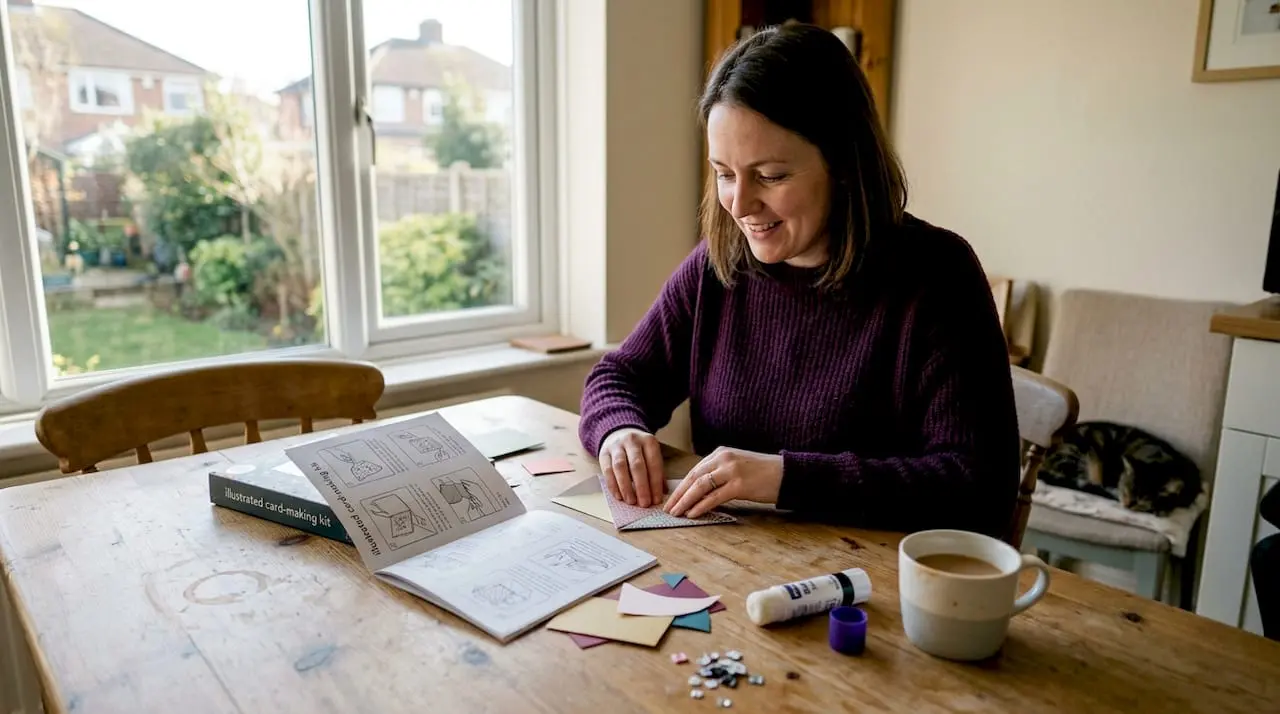
Paper craft kits have a reputation problem. Many people still picture them as something you hand to a restless child on a rainy afternoon, a simple stack of pre-cut shapes and a glue stick. The reality is far more exciting. Modern paper craft kits span an extraordinary range, from calm, meditative projects that ease anxiety to intricate pop-up mechanisms that would impress an engineer. Whether you are a complete beginner or a seasoned crafter looking for your next challenge, there is a kit designed precisely for you. This guide covers what paper craft kits really are, the types available, how to choose the right one, and how to get started with confidence.
Table of Contents
- Defining paper craft kits: What you really get
- Types of paper craft kits: From classic to cutting-edge
- Therapeutic vs. technical: Choosing the right kit for you
- Getting started: Essential tips and project ideas
- Why paper craft kits offer more than meets the eye
- Find your next paper craft adventure
- Frequently asked questions
Key Takeaways
| Point | Details |
|---|---|
| Wide variety | Paper craft kits range from simple cards to complex engineering projects for all skill levels. |
| Therapeutic or technical | Kits can be relaxing creative outlets or challenging builds tailored to your style. |
| Beginner-friendly | Most kits include helpful instructions and pre-cut pieces ideal for beginners. |
| Accessible tools | You typically need just a few basic tools, such as scissors and glue, to get started. |
Defining paper craft kits: What you really get
At its simplest, a paper craft kit is a pre-packaged set of everything you need to complete a specific project. The joy of a good kit is that the hard work of sourcing and coordinating materials has already been done for you. You open the box, read the instructions, and create.
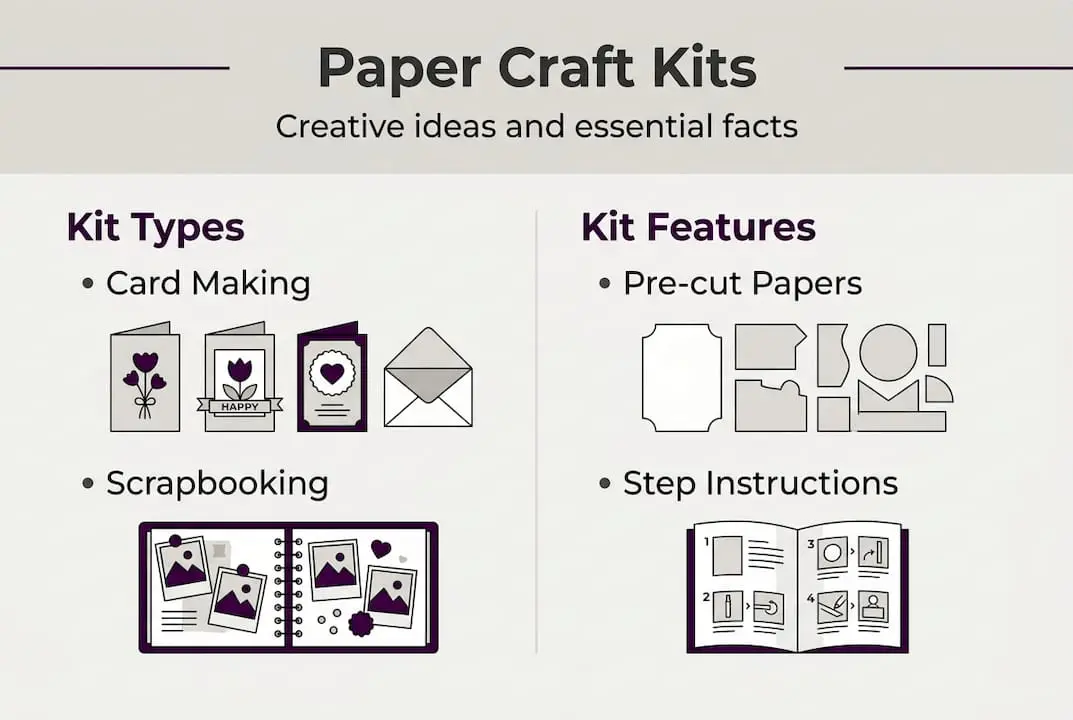
Most kits contain a thoughtfully assembled collection of components. Here is what you can typically expect to find inside:
- Coordinated decorative papers in complementary colours and patterns
- Pre-cut or die-cut shapes ready for assembly
- Templates for folding, scoring, or tracing
- Embellishments such as ribbon, sequins, brads, or stickers
- Step-by-step illustrated instructions
- Sometimes, adhesive or a small tool such as a bone folder
The real value of a kit lies in what it removes from your to-do list. There is no need to visit multiple shops, match colours by eye, or spend an hour searching for inspiration. The card making supplies overview at Craftsuprint demonstrates just how broad this category has become, with designs covering every occasion and skill level imaginable.
Kits serve beginners particularly well because they lower the barrier to entry. You do not need to own a vast collection of tools or understand advanced techniques to achieve a polished result. A well-designed kit guides you through each stage, building your confidence as you go.
As the resource Pop-Up Design and Paper Mechanics confirms, paper craft kits range from simple folding exercises to complex mechanical models, meaning there is genuinely something for every level of ambition.
“Kits now span everything from calm, therapeutic projects to intricate mechanical paper masterpieces, making paper craft one of the most accessible and rewarding creative hobbies available today.”
The point is worth repeating: a kit is not a dumbed-down shortcut. It is a curated creative experience.
Types of paper craft kits: From classic to cutting-edge
Once you understand what a kit contains, the next question is obvious: which type suits you? The variety available today is genuinely impressive, and knowing your options helps you invest wisely.
Here is a comparison of the most popular kit categories:
| Kit type | Skill level | Typical time | Best for |
|---|---|---|---|
| Card making | Beginner | 30 to 60 minutes | Gifts, occasions |
| Scrapbooking | Beginner to intermediate | 1 to 3 hours | Memory keeping |
| Origami | Beginner to advanced | 15 minutes to 2 hours | Mindfulness, display |
| Pop-up cards | Intermediate | 1 to 2 hours | Wow-factor gifts |
| 3D paper models | Advanced | 3 to 8 hours | Display pieces |
| STEM paper robots | Intermediate to advanced | 2 to 5 hours | Learning, novelty |
Classic kits such as card making and scrapbooking remain perennial favourites because they produce something immediately useful. A handmade birthday card carries sentimental weight that no shop-bought alternative can match.
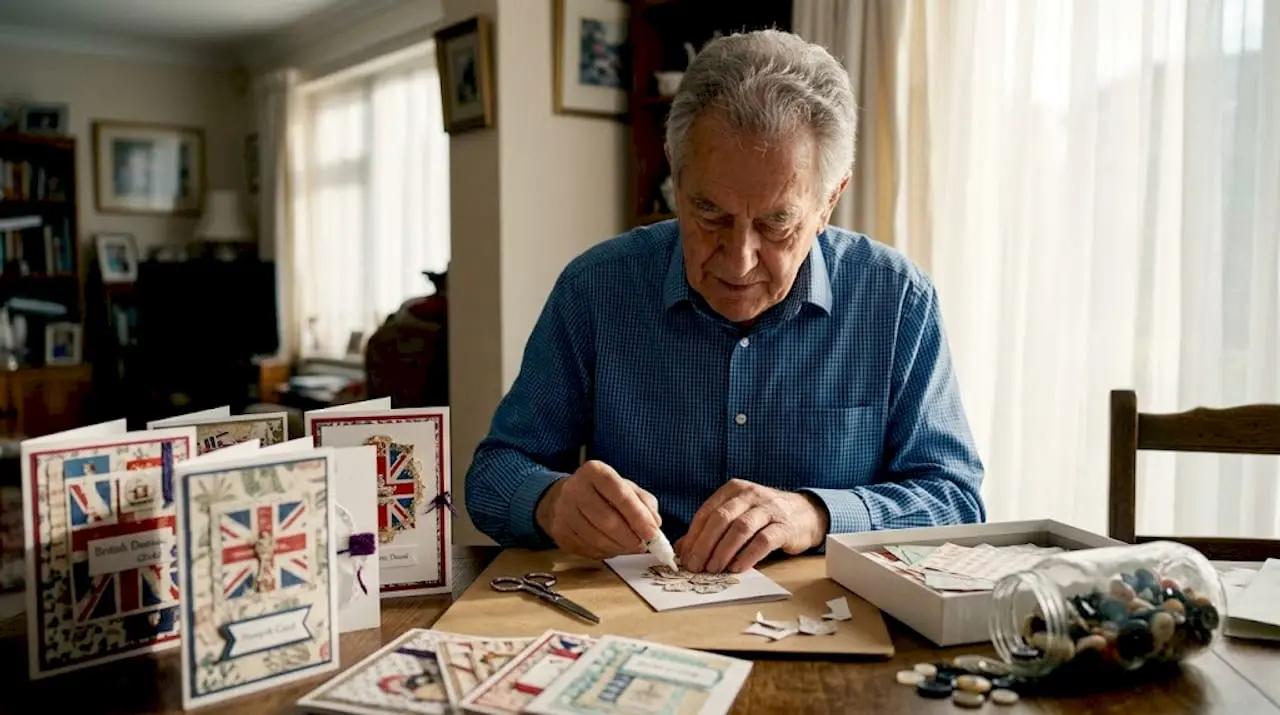
Modern variations push the craft in fascinating directions. Contemporary kits include designs based on paper engineering and STEM integration, meaning a kit can now teach mechanical principles while producing a beautiful object. Interactive calendars, kinetic paper sculptures, and paper robotics kits are no longer niche curiosities; they are increasingly mainstream.
If you are looking for a quick, satisfying project, here is a simple starting sequence for a card making kit:
- Lay all components out on a clean surface and identify each piece
- Read the full set of instructions before touching the adhesive
- Score and fold the base card along the marked lines
- Layer decorative papers from largest to smallest
- Add embellishments last, once adhesive has set
- Leave the finished card flat under a book for ten minutes to dry evenly
For broader paper craft project inspiration, Craftsuprint offers a wide catalogue of downloadable kits that you can print and assemble at home, giving you instant access to hundreds of designs.
Pro Tip: Choose kits that match your patience level honestly. Complex builds reward dedication but can feel frustrating if you are tired or short on time. Keep a simpler kit on hand for days when you want creativity without pressure.
Therapeutic vs. technical: Choosing the right kit for you
Not every crafter wants the same experience from their hobby. Some people pick up paper craft to slow down and breathe. Others want a precise, satisfying challenge that demands focus and skill. Both are completely valid, and the kit market has evolved to serve both impulses equally well.
Here is a quick overview of how kit types differ across key attributes:
| Attribute | Therapeutic kits | Technical kits |
|---|---|---|
| Complexity | Low | High |
| Time required | Short | Long |
| Tools needed | Minimal | Scissors, ruler, bone folder |
| Fine motor coordination | Low | High |
| End result | Decorative, personal | Structural, impressive |
| Best for | Relaxation, mindfulness | Skill-building, display |
Therapeutic kits typically involve repetitive, satisfying actions. Cutting a mandala template, layering coloured papers, or folding gentle origami shapes all produce a meditative rhythm. Your hands stay busy while your mind quietens. Many crafters report that this type of project is as restful as a long walk.
Technical kits ask something different of you. As confirmed by Pop-Up Design and Paper Mechanics, paper crafting serves both therapeutic and precision-based interests, with pop-up engineering and simpler projects catering to genuinely different needs. A mechanical pop-up card requires you to score precisely, fold accurately, and assemble components in the correct sequence. The satisfaction when it springs open perfectly is unique.
Some specifics worth knowing:
- Many advanced pop-up kits incorporate up to 18 distinct paper mechanisms in a single design
- Soothing mandala template kits require nothing more than scissors and colour
- Paper robot kits develop spatial reasoning alongside creative satisfaction
For a detailed craft kit comparison, Craftsuprint’s catalogue breaks products down by theme, complexity, and occasion, making it straightforward to find your ideal match without guesswork.
The best approach is to be honest with yourself. If you have an hour and want to feel calm at the end of it, choose the mandala. If you have a free afternoon and want to feel accomplished, tackle the pop-up.
Getting started: Essential tips and project ideas
Choosing your kit is the exciting part. Starting it confidently is what separates a rewarding experience from a frustrating one. A few simple habits make all the difference.
Follow this sequence when opening any new kit for the first time:
- Clear and clean your workspace before unpacking anything
- Remove all components and lay them out in the order listed in the instructions
- Read the full instructions from beginning to end before cutting or folding
- Identify any tools you may need that are not included in the kit
- Work in good light, ideally natural light, to see colours and score lines accurately
- Set aside enough uninterrupted time to complete at least one full stage
As noted in Pop-Up Design and Paper Mechanics, paper crafting kits are accessible even for those with no prior experience, which means the learning curve is genuinely manageable.
For crafts for absolute beginners, Craftsuprint provides downloadable kits with clear, illustrated instructions designed specifically for those new to the hobby.
Pro Tip: Organise all your pieces into small groups or piles before you begin. Label them if needed. Mid-project confusion, searching for a tiny embellishment you set down somewhere, is the most common reason crafters lose momentum and enjoyment.
Your essential toolkit should include:
- Sharp scissors or a craft knife with a cutting mat
- A metal ruler for straight score lines
- A bone folder for clean, crisp folds
- PVA glue and a fine-tipped glue pen for detail work
- Tweezers for placing small embellishments precisely
- A pencil for light marking
Beginner-friendly projects to try first include handmade birthday cards with layered panels, mini gift boxes with decorative lids, and simple wall art pieces using geometric paper folding. Each of these produces a satisfying result in under an hour and builds the core skills you will need for more complex kits later.
Why paper craft kits offer more than meets the eye
Here is an opinion you will not hear often enough: paper craft is one of the most underestimated creative disciplines in existence. It sits in an awkward cultural space, too tactile for the digital crowd, too accessible for those who equate difficulty with value. That dismissal is a genuine shame.
The hidden complexity of modern kits is real. Pop-Up Design and Paper Mechanics shows that pop-up engineering distils 18 unique mechanisms into a single creative framework, a level of ingenuity that rivals furniture design or architectural modelling.
Beyond the technical, there is something quietly profound about making something with your hands in an era when most of our interactions are screen-based. The tactile hobbies, knitting, ceramics, paper craft, are experiencing a genuine cultural resurgence, and it is not nostalgia driving it. It is a need to make something real, something you can hold.
We believe the act of making transforms the maker. You finish a paper craft project and you are not quite the same person who started it. You are a little more patient, a little more precise, and a lot more likely to notice the beauty in a well-executed fold. That is not trivial. That is genuinely valuable.
Find your next paper craft adventure
If this guide has sparked an idea or two, the best next step is to browse a curated selection and let a design speak to you. Craftsuprint brings together an extraordinary range of printable paper craft kits, from elegant card making sets to themed seasonal projects, all available to download and create from home.
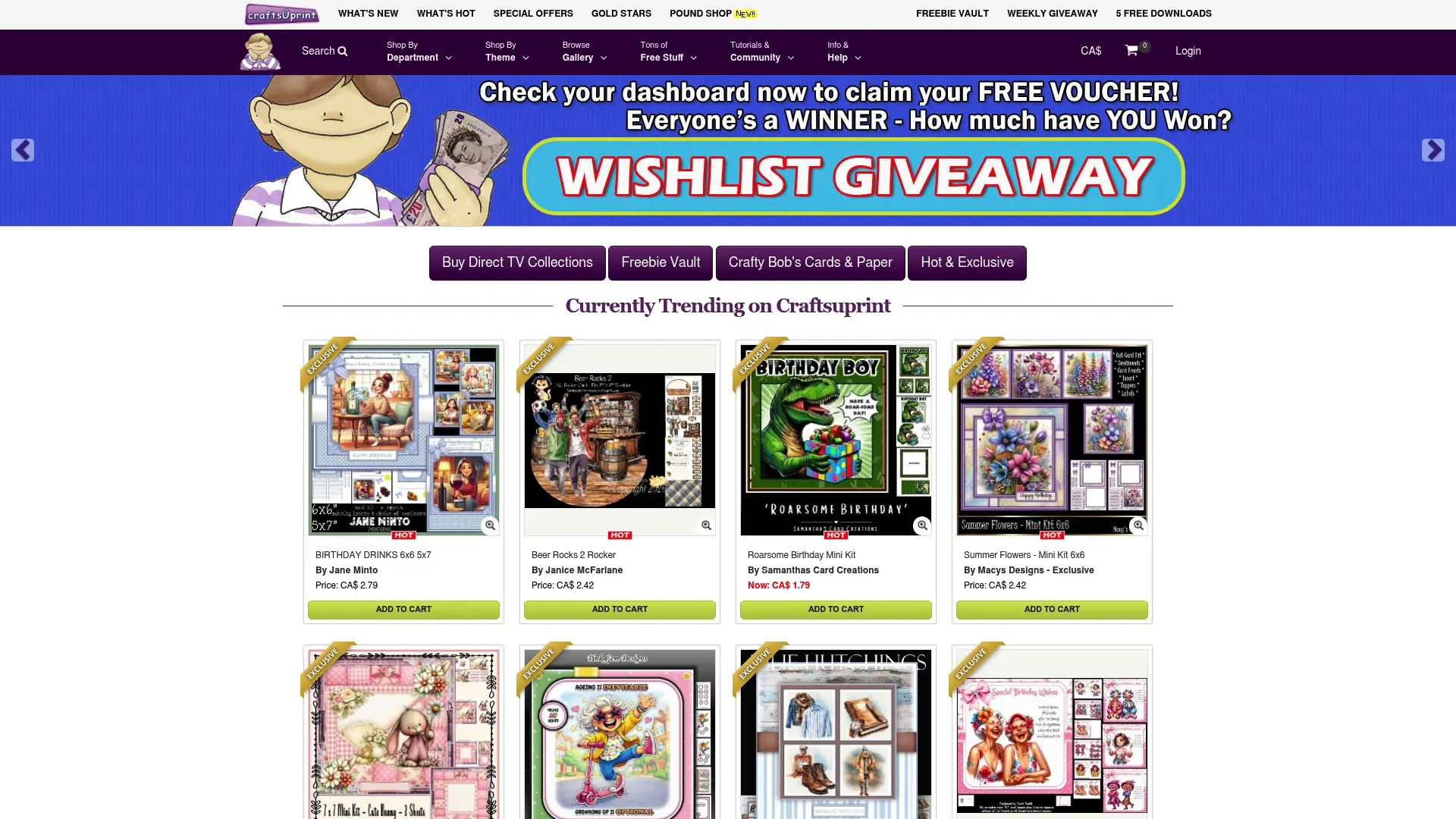
Whether you are hunting for your first beginner kit or seeking an ambitious new project to stretch your skills, Craftsuprint paper craft kits offer something for every level and occasion. The platform also features weekly freebies and a supportive community of fellow crafters, so you are never creating in isolation. Browse, download, print, and make something you are proud of today.
Frequently asked questions
What supplies do I need for a paper craft kit?
Most kits include the core materials, but having basic tools such as scissors, a ruler, and glue to hand ensures you are ready for almost any project. As confirmed in craft guidance, kits are accessible even for those with no prior experience or large tool collections.
Are paper craft kits suitable for adults?
Absolutely. Kits range from simple decorative designs to advanced engineering challenges, and many are specifically created with adult crafters in mind. The fact that pop-up engineering incorporates up to 18 unique mechanisms tells you all you need to know about the sophistication available.
Can paper craft help with mindfulness?
Yes, many kits are intentionally designed to encourage relaxation and focus through rhythmic, repetitive creative actions. Research consistently shows that paper crafting supports both therapeutic wellbeing and technical skill development, depending on which type of kit you choose.
What if I make a mistake with my kit?
Small errors are a normal part of learning any craft. Most issues can be resolved with a little patience, extra adhesive, or a spare piece of paper, so do not let the fear of imperfection stop you from starting.