
Explaining craft income opportunities: a practical guide
TL;DR:
- Craft income opportunities include selling handmade products, teaching workshops, and digital downloads. Diversifying these streams and pricing correctly based on monthly costs and fees ensures sustainable profit. Effective marketing through social media and email builds ongoing customer relationships and long-term growth.
Craft income opportunities are the various methods through which crafters generate revenue from their skills, including selling physical products, teaching workshops, and distributing digital designs. The handmade and craft market is projected to exceed $1.4 trillion by 2027. That scale means genuine commercial opportunity exists for crafters at every level, from hobbyists selling their first card kit to independent designers building a full-time income. Explaining craft income opportunities clearly matters because most crafters underestimate how many routes to revenue are available to them, and how differently each one behaves in practice.
What are the main craft income streams and how do they work?
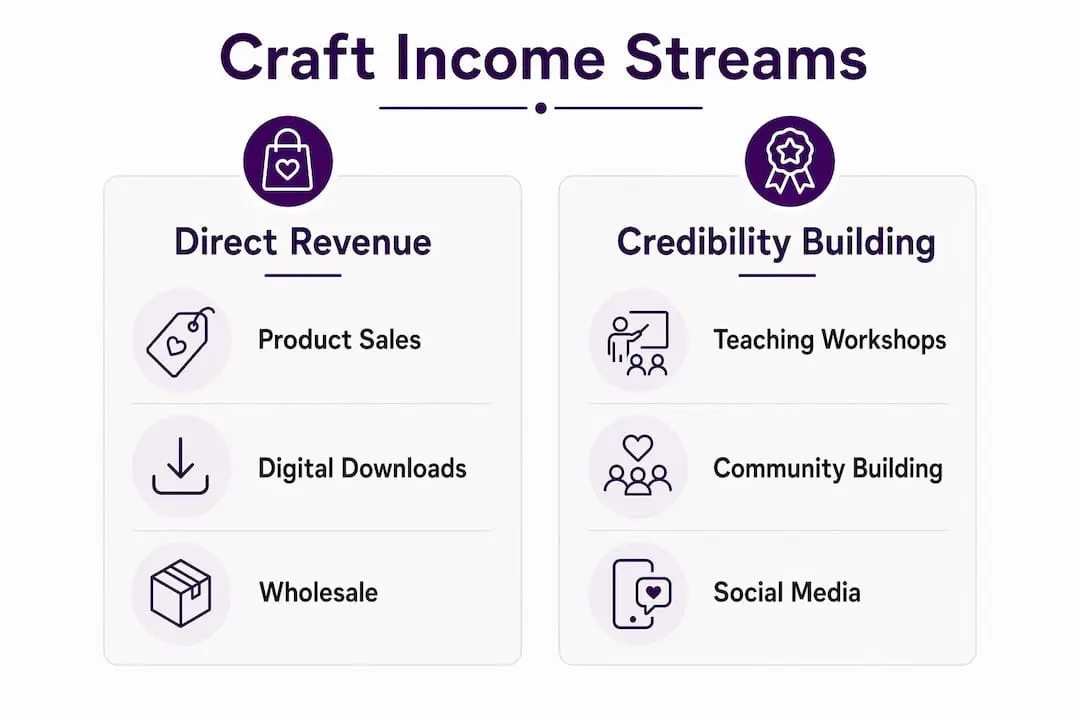
Craft income falls into two broad categories: direct revenue and credibility-building activity. Craft artists generate income from both product sales and activities like exhibitions or teaching, which fuel long-term sustainability. Understanding which stream you are building at any given moment shapes every decision you make about time, pricing, and promotion.
Selling physical products
Selling handmade items online or at local markets is the most immediate route to cash. Online marketplaces give crafters access to large buyer pools without requiring a standalone website. Craft fairs and local markets add a personal dimension that photographs cannot replicate, and face-to-face sales often convert at higher rates because buyers can touch the product.
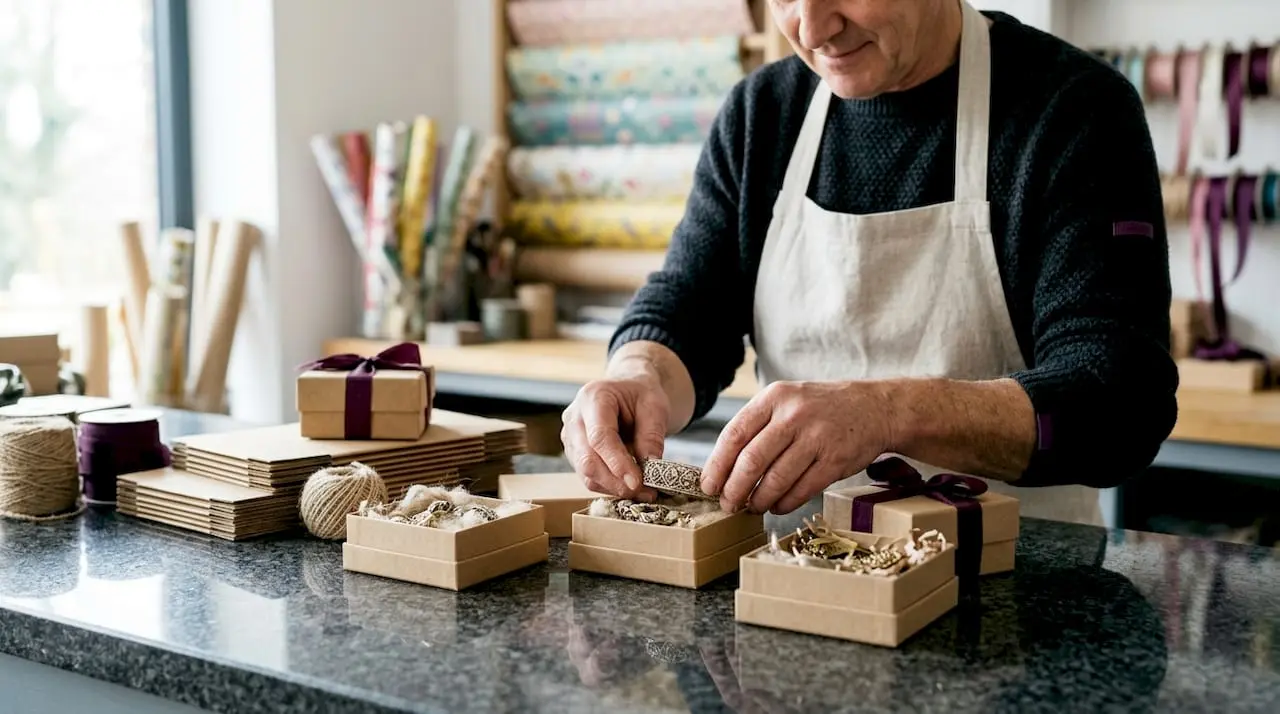
The main challenge with physical products is margin. Materials, packaging, postage, and platform fees all erode the selling price. Crafters who do not account for every cost from the start find themselves busy but barely breaking even.
Teaching workshops and classes
Teaching is one of the most underused craft side hustle opportunities. A single workshop session can generate more income per hour than making and selling individual items. Online classes extend that reach further, since a recorded tutorial sells repeatedly without additional time investment.
The credibility benefit is significant too. Teaching positions you as an authority in your niche, which supports product sales and attracts commissions. Many successful craft businesses use teaching income to fund materials for their product lines.
Digital craft products
Digital products like printable patterns or SVG files have near-zero material costs and high retail-to-material ratios, making them among the most profitable income streams available to crafters. Once created, a digital file sells indefinitely without restocking. Platforms like Craftsuprint are built specifically for this model, connecting designers of printable card kits and paper patterns with buyers who want ready-to-print projects.
The sharing of digital crafts also builds community and repeat buyers, which compounds income over time.
Wholesale, consignment, and licensing
Wholesale involves selling products in bulk to retailers at a reduced unit price. Consignment means placing products in a shop and receiving payment only when items sell. Craft design licensing is a less obvious but powerful option, where you grant another business the right to use your design in exchange for a royalty or flat fee.
Each of these routes requires less direct selling effort than retail, but they demand higher production volume or a strong design portfolio to be worthwhile.
Key income streams at a glance:
- Physical product sales online and at markets
- Craft workshops and recorded online classes
- Digital downloads including patterns, SVG files, and printable kits
- Wholesale supply to retailers
- Consignment arrangements with local shops
- Design licensing to other businesses or manufacturers
How should you price your crafts to ensure profitability?
The standard pricing formula for sustainable craft retail is a retail floor price equal to at least four times the material cost. This 4x material cost rule covers labour, overhead, and platform fees, which typically run at 10–13% on major selling platforms. Skipping this calculation is the single most common reason craft businesses stall.
The true cost of underpricing
Most craft sellers underprice by 30–50% initially because they base prices on what they personally would pay rather than on labour and cost maths. This leads to stalled growth around £200 per month, where the crafter is working hard but cannot afford to reinvest in better materials or marketing. Pricing based on buyer psychology rather than unit economics is a structural problem, not a marketing one.
The fix is straightforward. List every material cost per unit, assign an hourly rate to your labour, add a proportion of your monthly overhead (tools, subscriptions, packaging), and then apply the 4x floor. If the resulting price feels high for your current market, the answer is either to find a higher-value market or to redesign the product to reduce material costs.
Accounting for platform fees
Platform fees are easy to overlook because they appear after the sale rather than before it. On major craft marketplaces, transaction fees, payment processing, and listing fees combine to remove a meaningful slice of each sale. Beginners who ignore these fees often discover their effective margin is far lower than expected.
Pro Tip: If you sell on a major marketplace and your annual income is below £10,000, check whether you can opt out of its offsite advertising programme. Opting out of Offsite Ads early preserves margin at the stage when every pound of profit matters most.
Pricing to enable reinvestment
The purpose of correct pricing is not just to cover costs. It is to generate enough surplus to reinvest in the business. Craft sellers stall financially not from lack of demand but from margins too thin to reinvest. Pivoting to higher-margin products, such as digital downloads or premium kits, is the most reliable way to break through that ceiling.
| Pricing component | What to include |
|---|---|
| Material cost | Every consumable used per unit, including packaging |
| Labour | Your hourly rate multiplied by time to make one unit |
| Overhead | Monthly tool costs, subscriptions, and workspace divided by units made |
| Platform fees | Transaction fee, payment processing, and listing fee per sale |
| Retail floor price | Sum of above multiplied by at least 4 |
Pro Tip: Review your unit economics every 90 days, not just when you launch a new product. Material costs and platform fees change, and a price that was profitable in january may not be by april.
How can effective marketing enhance your craft income beyond just listing products?
Listing products is not marketing. Effective marketing requires active promotion through social media, email, and brand building that exists independently of any single platform. This distinction matters because crafters who rely entirely on marketplace search algorithms have no control over their own visibility or customer relationships.
Social media as a sales driver
Instagram and Pinterest are the two platforms with the strongest organic reach for visual craft content. Instagram rewards consistent posting and short video content showing the making process. Pinterest functions more like a search engine, where well-labelled pins drive traffic for months or years after posting. Both platforms work best when you post regularly rather than in bursts.
The goal on social media is not just to show finished products. Showing the process, the materials, the mistakes, and the decisions builds an audience that trusts your judgement and returns to buy repeatedly.
Key marketing activities that drive craft income:
- Posting process videos and finished product images on Instagram and Pinterest
- Building an email list from day one, even before you have many products
- Attending craft fairs to collect contact details and build local awareness
- Collaborating with other crafters for cross-promotion to new audiences
- Writing or filming tutorials that demonstrate your expertise and attract search traffic
Email marketing and community building
An email list is the one marketing asset you own outright. Social media platforms change their algorithms, reduce organic reach, and occasionally disappear. An email list does not. Crafters who build a list from the start of their business have a direct line to buyers that no platform can remove.
Selling handmade card designs becomes significantly more profitable when you have a warm audience to launch new products to, rather than relying on cold marketplace traffic every time.
Pro Tip: Offer a free printable or tutorial in exchange for an email sign-up. This builds your list with people who are already interested in your specific craft niche, making every future email more likely to convert.
Craft fairs and local markets
Local markets serve a dual purpose. They generate direct sales and they provide rapid feedback on which products attract attention and which do not. That feedback is worth more than any amount of online analytics in the early stages of a craft business. Bring a sign-up sheet to every event and collect email addresses from interested visitors, even those who do not buy on the day.
Why diversifying income streams matters for craft business sustainability
A craft business built on a single income stream is fragile. If that stream slows, whether due to algorithm changes, seasonal demand, or platform policy shifts, the entire business suffers. Diversification reduces that risk and creates compounding growth, where each stream supports the others.
Distinguishing income streams as direct revenue versus credibility-building mechanisms sharpens planning and long-term sustainability. Direct revenue streams include product sales, digital downloads, and commissions. Credibility-building streams include teaching, exhibiting, and publishing tutorials. Both matter, but they serve different functions in the business.
Balancing direct and credibility-building income
A crafter who only sells products has income but limited authority. A crafter who only teaches has authority but limited passive income. The most sustainable craft businesses combine both. Teaching a workshop builds the audience that buys the products. Selling products funds the time to develop teaching materials.
| Income type | Examples | Primary benefit |
|---|---|---|
| Direct revenue | Product sales, digital downloads, commissions | Immediate cash flow |
| Credibility-building | Workshops, tutorials, exhibitions, licensing | Audience growth and authority |
| Passive income | Digital patterns, recorded classes, licensing royalties | Income without ongoing time input |
How to expand without diluting your efforts
Focusing on a single sales channel initially allows crafters to understand their customers and unit economics before expanding. Spreading across multiple channels too early produces poor data and diluted effort. The practical approach is to master one channel in the first 90 days, extract clear data on what sells and at what margin, and then add a second stream once the first is generating consistent returns.
Beginner handmade sellers typically earn between $50 and $800 monthly in their first six months. Experienced sellers with multiple streams and strong marketing can reach $2,000 to $10,000 or more per month. The gap between those two figures is almost entirely explained by pricing discipline, marketing consistency, and income diversification.
The startup cost for a new craft business ranges from $200 to $2,000 for the first 90 days. That investment is only recovered if the pricing formula is correct from the start.
Key takeaways
Craft income grows fastest when pricing is built on unit economics, marketing extends beyond platform listings, and income streams are diversified across direct sales, digital products, and credibility-building activity.
| Point | Details |
|---|---|
| Price on unit economics | Use the 4x material cost formula to cover labour, overhead, and fees from day one. |
| Digital products maximise margin | Printable patterns and digital kits have near-zero material costs and sell repeatedly without restocking. |
| Marketing requires active effort | Listing on a marketplace is not marketing; email lists and social media build lasting buyer relationships. |
| Diversify income streams | Combine direct sales with teaching and licensing to reduce risk and create compounding growth. |
| Focus before expanding | Master one sales channel in the first 90 days before adding a second to avoid diluted returns. |
What I have learned from building craft income the hard way
The most common mistake I see crafters make is treating pricing as a feelings exercise. They look at their finished piece, think about what a customer might pay, and set a price based on that instinct. The problem is that instinct is almost always anchored to what the crafter would personally spend, not to what the product actually costs to make and sell profitably.
I spent a long time watching talented crafters produce beautiful work and earn almost nothing from it. The work was not the problem. The pricing was. Once you apply the 4x material cost floor and account for every fee, the numbers either work or they do not. If they do not, you redesign the product or find a higher-value market. There is no shortcut around that maths.
The second lesson is about marketing. Crafters often assume that listing on a well-known platform is enough. It is not. The platform provides access to buyers, but it does not build your brand or your relationship with those buyers. The crafters I have seen grow consistently are the ones who treat their email list as their most valuable asset and post on social media not to sell, but to teach and share.
Finally, the advice to focus on one channel before expanding is genuinely counterintuitive but correct. The temptation to be everywhere at once is strong, especially when you can see other crafters succeeding on multiple platforms. Resist it. Understand your unit economics on one channel first. Then expand with data rather than hope.
— Rob
Craftsuprint: resources to support your craft income
Craftsuprint brings together craft supplies, printable design downloads, and a community of independent designers in one place.
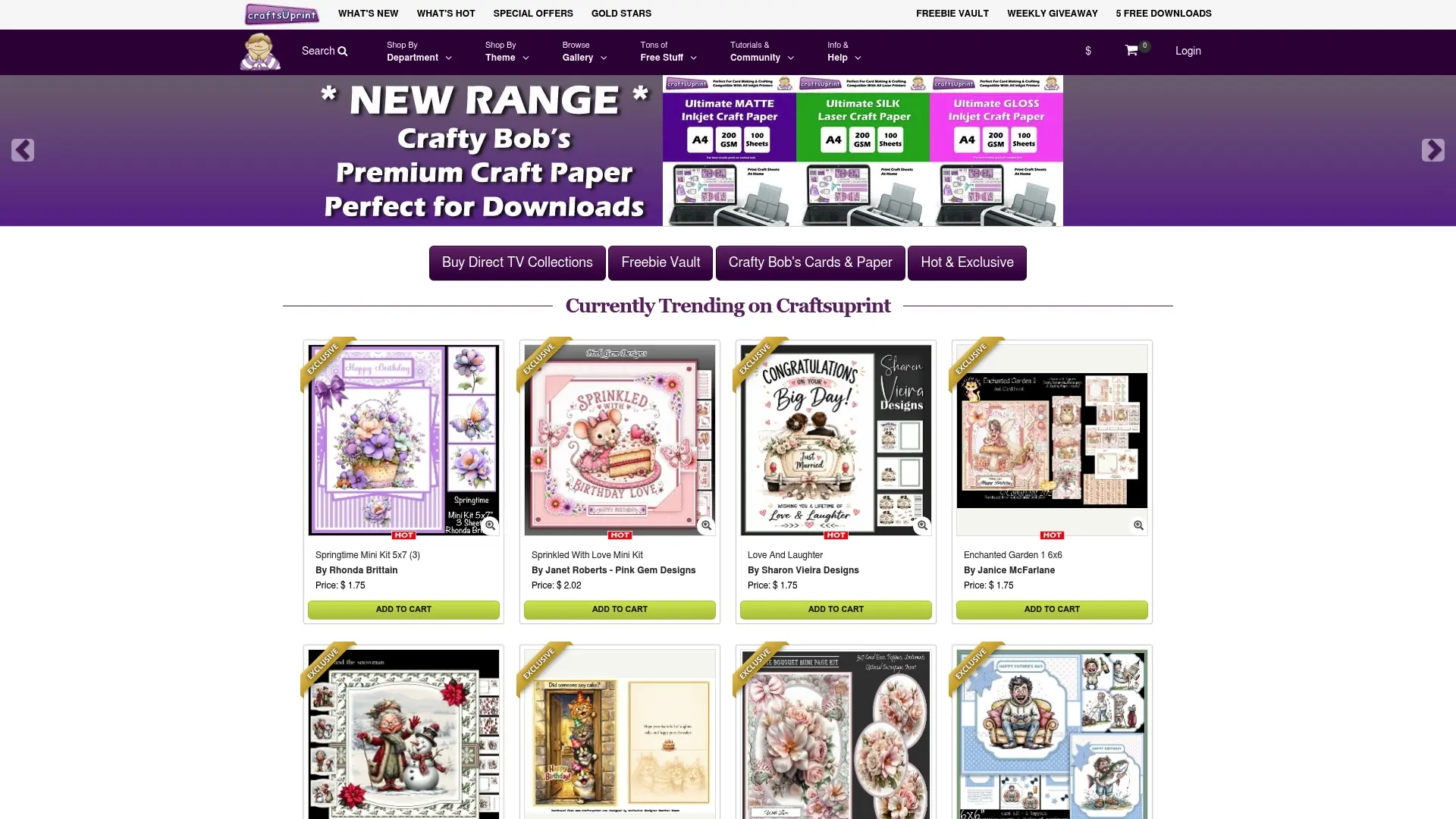
Whether you are sourcing materials to keep your production costs within the 4x pricing formula or looking for ready-to-sell digital designs to add a passive income stream, Craftsuprint has the resources to support both. The platform’s craft supplies catalogue covers everything from decoration materials to specialist tools, while the Create & Craft Downloads section offers a wide range of printable projects you can use, sell, or adapt. Independent designers can also list their own work through the marketplace and earn through the Gold Star programme. For a practical starting point, the FREE members gift is worth claiming before you do anything else.
FAQ
What is the realistic income range for a new craft seller?
Beginner craft sellers typically earn between $50 and $800 per month in their first six months. Experienced sellers with multiple income streams and consistent marketing can reach $2,000 to $10,000 or more per month.
What is the best pricing formula for handmade crafts?
The recommended retail floor price is at least four times the material cost. This covers labour, overhead, and platform fees, which typically run at 10–13% per sale.
Why do most craft sellers underprice their work?
Most crafters underprice by 30–50% because they base prices on personal purchase instinct rather than actual cost and labour calculations. This leads to stalled income growth and insufficient margin to reinvest in the business.
Are digital craft products more profitable than physical ones?
Digital products like printable patterns and SVG files carry near-zero material costs and sell repeatedly without restocking. That makes their retail-to-material ratio significantly higher than most physical craft products.
How many income streams should a craft business have?
Start with one channel and master it before expanding. Once you have clear data on what sells and at what margin, add a second stream such as digital downloads or teaching to reduce risk and build compounding income.