
Defining crafting terminology: a crafter's guide
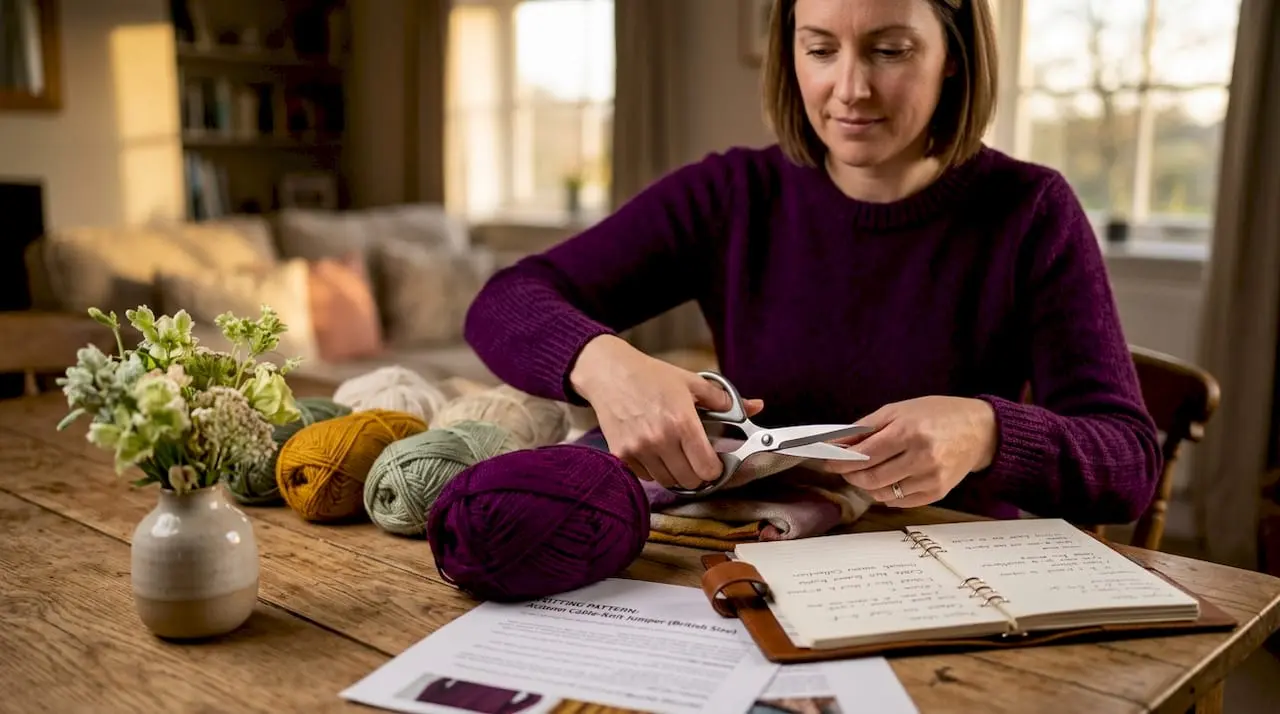
Crafting terminology is the specific vocabulary, abbreviations, and concepts that crafters use to communicate techniques, materials, and instructions with precision. According to the Cambridge English Dictionary, crafting itself is defined as the purposeful, skilful creation of items by hand. Without a firm grasp of defining crafting terminology, even a well-written pattern becomes a puzzle. Knowing what AC means, why acid-free matters, and how to read a cross-stitch count transforms your ability to follow instructions, select the right materials, and produce work you are genuinely proud of. This guide covers the craft vocabulary basics every DIY enthusiast needs.
What are common crafting terms and abbreviations explained?
Defining crafting terminology starts with the abbreviations you will encounter in almost every tutorial or kit. These shorthand codes exist because pattern writers need to communicate quickly without repeating full material names on every line. Mastering these abbreviations boosts confidence, simplifies instructions, and sharpens communication with fellow crafters.
The most frequently used material abbreviations include:
- AC (acrylic): a synthetic fibre or paint medium used across textiles, card making, and mixed media projects
- FF (fusible fleece): a soft interfacing that bonds to fabric with heat, adding structure and padding
- HW (hot glue gun): the standard tool for quick adhesion in paper crafts, floristry, and 3D projects
- CS (card stock): the heavyweight paper base used in card making and scrapbooking
- DSP (designer series paper): patterned paper sold in coordinated collections, common in stamping communities
Beyond materials, you will also meet embellishment terms. Beads, brads, and eyelets are fastening or decorative elements attached to a surface. Faux stitching refers to printed or drawn lines that mimic hand stitching without needle and thread. Embossing is the process of raising or recessing a design into paper or card using heat or pressure. Each of these terms carries a precise meaning that affects how you assemble a project.
| Term | Full meaning | Common use |
|---|---|---|
| AC | Acrylic | Paint, yarn, or fabric type |
| FF | Fusible fleece | Fabric interfacing |
| HW | Hot glue gun | Adhesion tool |
| CS | Card stock | Paper crafting base |
| DSP | Designer series paper | Patterned paper collections |
| Embossing | Raising or recessing a design | Card making, leather work |
Pro Tip: Keep a small notebook or digital note beside your workspace. When you encounter an unfamiliar abbreviation, write it down with its definition immediately. Within a few projects, you will have built your own personal craft terminology guide.
How does consistent terminology improve pattern writing and reading?
Pattern writers who switch terms mid-document create genuine confusion for readers. Experts recommend using terms consistently and providing a key that explains every abbreviation used throughout the document. This is not a stylistic preference. It is the single most effective way to prevent errors in finished projects.
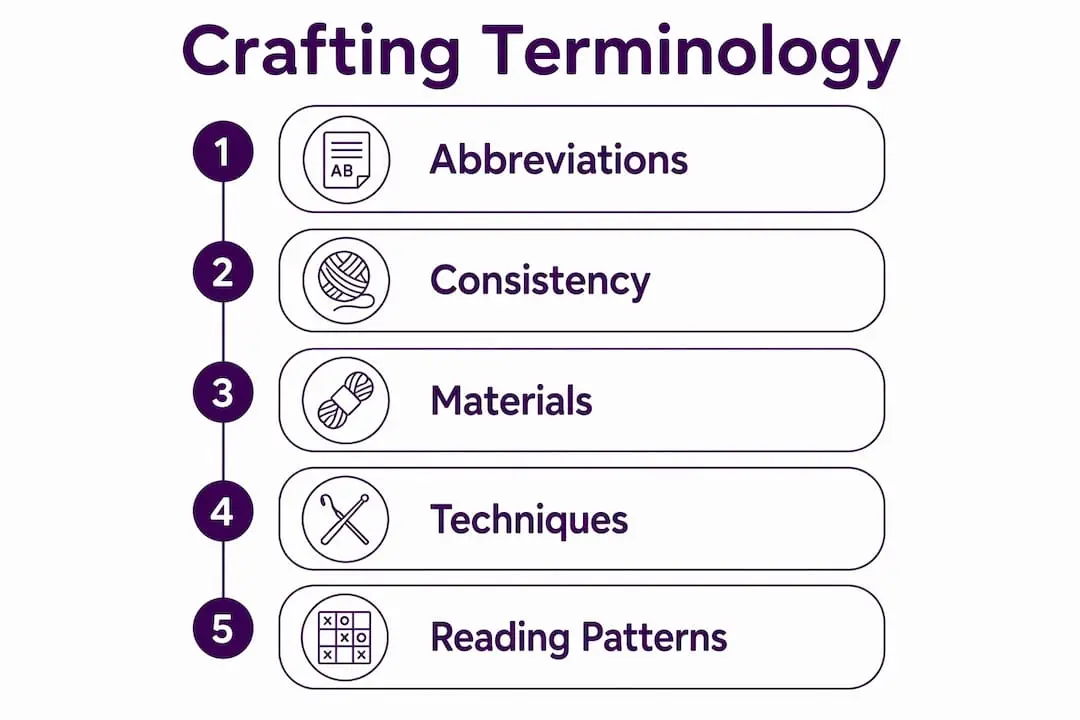
The cognitive reason matters here. Consistent terminology reduces the mental effort required to decode instructions, freeing your attention for the actual craft work. When a reader must stop to re-interpret a term that appeared differently three steps earlier, mistakes follow.
Here is a practical process for both writers and readers:
- Create or locate the key first. Before writing a single instruction or starting a project, establish the abbreviation key. Writers should place it at the top of the document; readers should find it before picking up any tools.
- Use one term per concept. Never alternate between “card stock” and “CS” without defining the relationship. Pick one form and use it throughout, or define the abbreviation once and use only the short form thereafter.
- Cross-check against common conventions. Some designers use non-standard abbreviations. A term that means one thing in a knitting pattern may mean something entirely different in a paper crafting context. Verify before you begin.
- Test your pattern with a fresh reader. If you are writing instructions, ask someone unfamiliar with your project to follow them. Any point of confusion reveals a terminology gap.
Pro Tip: If you are reading a downloaded pattern from a platform like Craftsuprint, print the abbreviation key on a separate sheet and keep it beside you throughout the project. This removes the need to scroll back and forth, which is where most errors creep in.
What does acid-free mean and why does it matter?
Acid-free is one of the most misunderstood terms in the crafting vocabulary. Acid-free materials have a neutral or slightly alkaline pH above 7, which prevents the chemical reactions that cause paper and card to yellow, become brittle, and deteriorate over time. This distinction is not cosmetic. It determines whether your project survives for months or for decades.
Standard wood-pulp paper contains lignin and acidic compounds that break down over time. When you store a card, scrapbook page, or printed artwork made with acidic materials, the degradation begins immediately. Acid-free products interrupt this process by maintaining chemical stability. For archival projects, memory books, or any work you intend to keep long-term, acid-free materials are the correct choice.
| Material type | pH level | Longevity | Best use |
|---|---|---|---|
| Standard paper | Below 7 (acidic) | Months to a few years | Everyday use, drafts |
| Acid-free paper | 7 or above (neutral/alkaline) | Decades | Archival, scrapbooking, keepsakes |
| Acid-free card stock | 7 or above | Decades | Greeting cards, memory albums |
| Buffered paper | Above 7 with alkaline reserve | Longest | Museum-quality preservation |
Identifying genuine acid-free products requires more than reading the label. Look for products that specify pH-neutral or pH-buffered. Buffered paper goes a step further by including an alkaline reserve that neutralises any acids that migrate from adjacent materials. For card making and scrapbooking, where photos and printed elements sit against paper for years, buffered acid-free card stock is the most reliable option.
How to decode cross-stitch and crochet pattern terminology
Cross-stitch and crochet each carry their own dialect within the broader crafting language, and understanding crafting language specific to these disciplines prevents costly mistakes before you cut a single thread.
In cross-stitch, the term “count” is frequently misread. Cross-stitch count refers to the number of stitches per inch of fabric, not the number of holes. A 14-count fabric has 14 stitches per inch. A 28-count fabric has 28 stitches per inch, producing finer detail and a smaller finished design. This distinction directly affects how large your finished piece will be. If you substitute a 28-count fabric for a 14-count without adjusting your design, the finished piece will be roughly half the expected size. Pattern terminology here encodes measurable parameters that determine the physical outcome of your project.
Crochet and knitting patterns present a different challenge. Pattern keys are essential because designers frequently use non-standard abbreviations. What one designer labels “sc” (single crochet) another may label “dc” in British crochet terminology, where the same stitch carries a different name entirely. British and American crochet terminology are not interchangeable, and using the wrong convention produces a structurally different stitch.
Before starting any crochet or knitting project, work through this checklist:
- Confirm whether the pattern uses British or American crochet terminology
- Locate and read the full abbreviation key before picking up your hook or needles
- Write down any unfamiliar abbreviations and their definitions on a reference card
- Cross-check the designer’s abbreviations against a standard glossary if anything seems inconsistent
- Work a tension swatch using the stated yarn weight and hook size to verify your gauge matches the pattern
The handcraft tradition of passing patterns between crafters relies entirely on shared terminology. When that shared language breaks down, so does the project. Treating the abbreviation key as a required first step rather than optional background reading is the single habit that separates confident crafters from frustrated ones.
Key takeaways
Defining crafting terminology correctly, from abbreviations to acid-free pH levels, is the practical foundation that determines whether your projects succeed or fail.
| Point | Details |
|---|---|
| Abbreviations are a shorthand system | Terms like AC, FF, and HW have fixed meanings; learn them once and apply them across projects. |
| Consistency in patterns prevents errors | Writers and readers both benefit from a single, clearly defined abbreviation key placed at the start. |
| Acid-free means pH above 7 | Neutral or alkaline materials prevent yellowing and deterioration in long-term stored projects. |
| Cross-stitch count measures stitches per inch | Misreading count changes finished project size; always verify before selecting fabric. |
| British and American crochet terms differ | The same stitch carries different names in each convention; confirm which system a pattern uses before starting. |
Why terminology is the craft skill nobody talks about
I have reviewed hundreds of craft patterns over the years, and the single most common source of frustration among crafters is not skill level. It is terminology confusion. A crafter who can execute a flawless buttonhole will still produce a misshapen garment if they misread the count on their fabric or misinterpret a single abbreviation in the construction sequence.
What strikes me most is how rarely terminology is treated as a learnable skill in its own right. Most beginners assume they will pick it up as they go. Some do. Many spend months repeating the same mistakes because nobody told them to read the key first, or that knitting abbreviations vary between designers and conventions. The crafters I have seen make the fastest progress are the ones who build a personal glossary from day one, adding terms as they encounter them rather than hoping context will eventually make things clear.
My honest advice is to treat your first encounter with any new pattern as a reading exercise, not a making exercise. Spend ten minutes with the key before you touch any materials. Note every abbreviation you do not immediately recognise. If you are working from digital downloads, keep a second tab or printed sheet with definitions beside you. This habit costs almost nothing in time and saves enormous frustration later. The crafting community is generous with knowledge, and platforms like Craftsuprint make it straightforward to access well-documented projects with clear terminology support built in.
— Rob
Start crafting with confidence at Craftsuprint
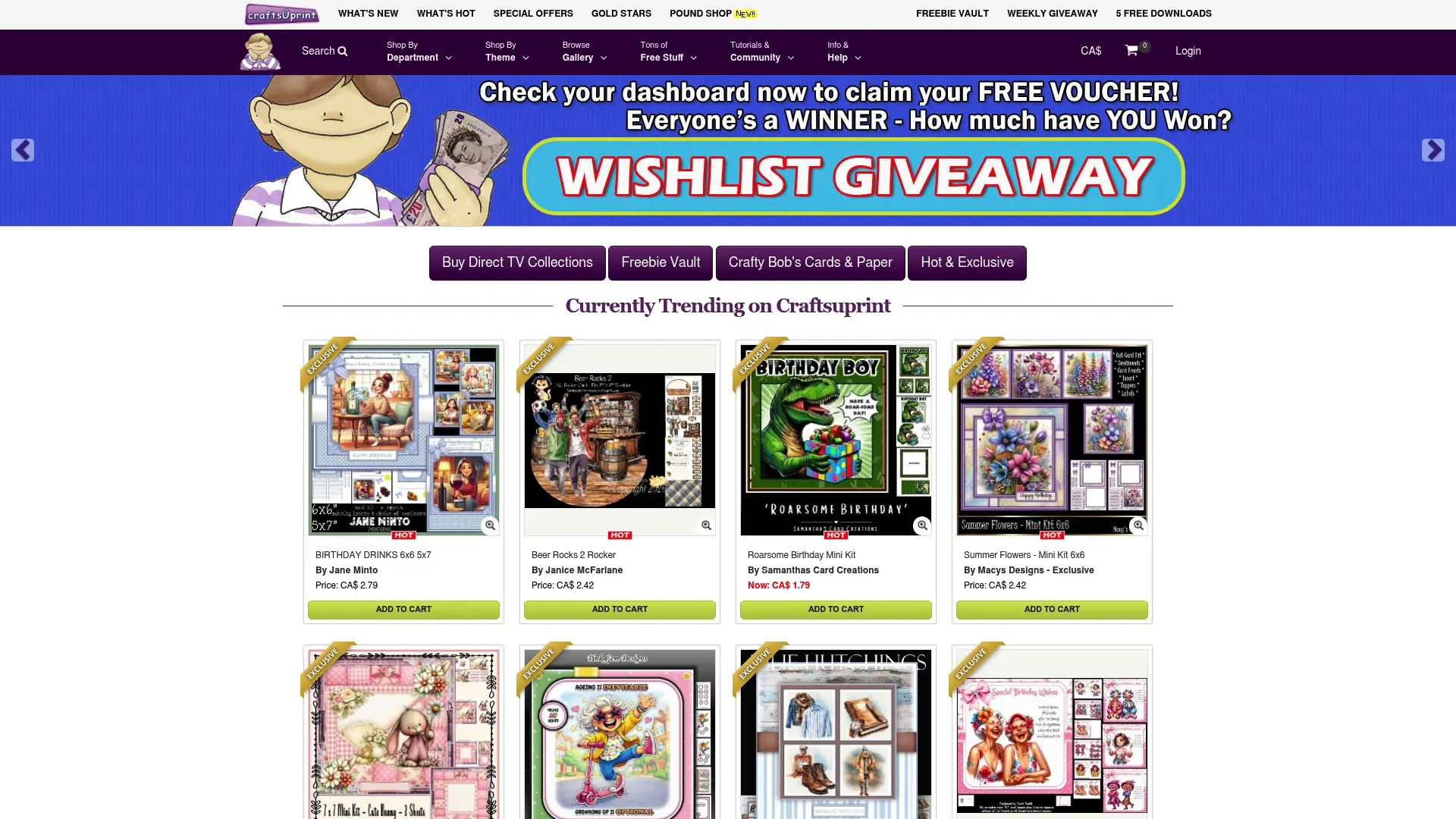
Craftsuprint brings together thousands of downloadable craft projects including card making kits, paper patterns, and themed design collections, all created by independent designers who understand the importance of clear instructions. Whether you are building your crafting vocabulary or looking for your next project, the platform offers tutorials and resources that put terminology in context. Browse the full catalogue of card making downloads, craft supplies, and project guides to find designs that match your skill level and creative ambitions.
FAQ
What is crafting terminology?
Crafting terminology is the specific vocabulary, abbreviations, and technical concepts used by crafters to describe materials, tools, and techniques. It functions as a shared language that makes patterns and tutorials accurate and repeatable.
Why do crafting patterns use abbreviations?
Abbreviations like AC (acrylic) and FF (fusible fleece) condense repeated material and tool names into short codes, making patterns faster to read and write. Always check the pattern key, as some designers use non-standard abbreviations.
What does acid-free mean in crafting?
Acid-free means a material has a pH of 7 or above, which prevents the chemical deterioration that causes paper and card to yellow and become brittle over time. It is the correct choice for any project intended for long-term storage or archival purposes.
How do British and American crochet terms differ?
British and American crochet terminology use the same words for different stitches. What Americans call a single crochet, British patterns call a double crochet. Always confirm which convention a pattern follows before you begin.
How do I build my own craft terminology guide?
Start a notebook or digital document and record every new term with its definition as you encounter it across patterns and tutorials. Cross-reference against established glossaries from sources like Stitchmate or World Fine Crafts to verify accuracy.