
Defining craft patterns: a crafter's guide
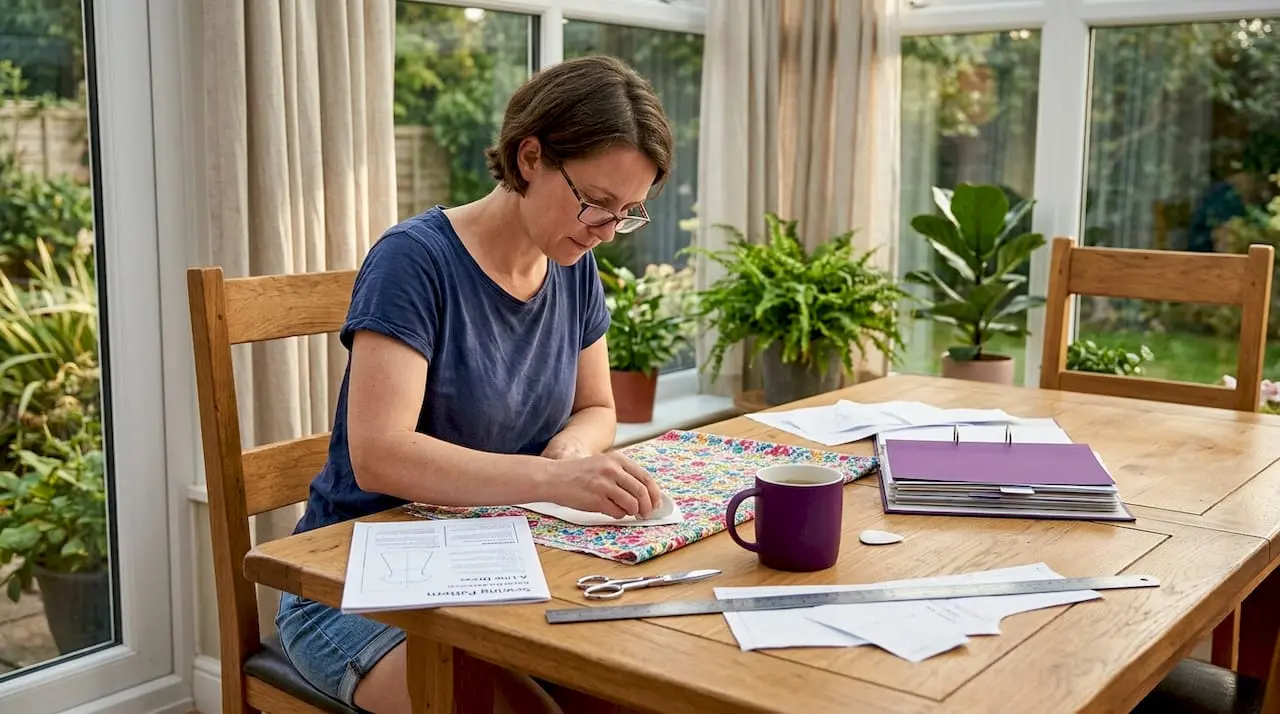
Most crafters assume a pattern is just a pretty motif printed on paper. That misunderstanding is exactly what makes projects go wrong. Defining craft patterns correctly means understanding them as precise technical documents, blueprints that translate a creative idea into something you can actually make, repeat, and refine. Whether you work with fabric, paper, wood, or card, the pattern you choose or create determines your outcome before you cut a single piece. This guide covers what craft patterns really are, how to read them, and how to make or find the right one for your next project.
Table of Contents
- Key takeaways
- Defining craft patterns: types and terminology
- Technical elements that make patterns work
- The role of patterns in crafting
- How to source, read, and create craft patterns
- My take on patterns as a creative foundation
- Discover patterns and tutorials on Craftsuprint
- FAQ
Key takeaways
| Point | Details |
|---|---|
| Patterns are blueprints | A craft pattern guides every stage of making, from cutting to assembly, not just the visual design. |
| Technical markings matter | Components like seam allowances, grainlines, and cutting lines directly affect the accuracy and quality of your finished piece. |
| Pattern types differ widely | Sewing patterns, printable templates, and repeat motifs each serve different purposes across different crafting disciplines. |
| Sourcing is straightforward | Quality patterns are available free or commercially, online and offline, with options suited to every skill level. |
| Precision prevents mistakes | Even minor measurement deviations can affect the fit, proportion, or appearance of your handmade item. |
Defining craft patterns: types and terminology
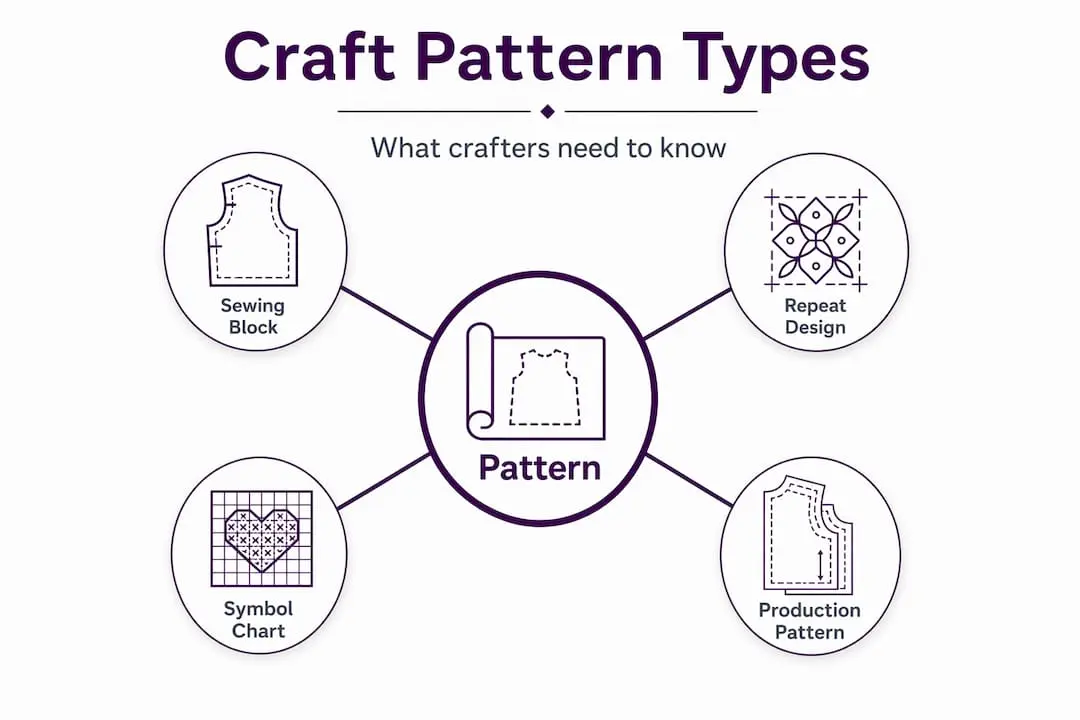
A craft pattern is not simply a decorative motif. At its core, a craft pattern is a physical or digital document representing all the pieces and instructions needed to create a finished item. Think of it as the engineering drawing behind the handmade object. It tells you what to cut, where to cut, and how to put things together.
That said, not every craft pattern works the same way. The word covers several genuinely different things depending on your discipline.
Template patterns are the simplest form. You print or trace the shape, cut it out, and use it to mark your material. Wood carvers, for instance, often print and glue templates directly onto wood before carving animal figures or geometric shapes. The template is the pattern.
Construction patterns go further. These are the kind most associated with defining sewing patterns: multi-piece documents that include:
- Cutting lines to show exactly where to cut each piece
- Seam allowances to account for joining material together
- Grainlines indicating how a piece aligns with the fabric weave
- Notches and markings to help you match pieces accurately during assembly
Repeat patterns are different again. These are surface decoration designs. Think wallpaper, gift wrap, or decorative paper for card making. The pattern here refers to a motif that tiles or repeats across a surface in a regular arrangement.
Stitch and symbol diagrams used in crochet and knitting are also patterns, but they communicate through visual shorthand. A crochet symbol chart, for example, uses standardised icons to represent each stitch type and count.
Understanding which category your pattern belongs to matters before you start. A decorative repeat design will not give you cutting instructions. A sewing pattern will not tell you how to decorate a surface. Knowing the difference saves time, material, and frustration.
One distinction worth highlighting is the difference between a basic block and a production pattern. Basic blocks lack the styling and seam allowances that a finished, usable pattern includes. They are starting points only. Many beginners mistake a downloaded block for a complete, production-ready pattern and then wonder why their finished item does not quite work. If you are sourcing patterns for direct use, confirm you have the full, construction-ready version.
Technical elements that make patterns work
Understanding craft designs at a surface level is one thing. Knowing what makes them technically sound is where you go from a frustrated beginner to a confident maker.
A well-constructed craft pattern must include specific technical markings to function reliably. According to industry standards, these include cutting lines, grainlines, notches, and seam allowances, each serving a distinct and non-negotiable purpose.
Here is what each marking does and why it matters:
- Cutting lines show the outer boundary of each piece. Cut outside these and your piece will be too large. Cut inside and it will be too small.
- Seam allowances are the margin of material between the cutting line and the sewing line. Without them built in, your pieces will not join correctly.
- Grainlines are arrows indicating how the pattern piece should align with the grain of the fabric. Ignoring these produces distorted, unusable results.
- Notches are small triangles or marks along the edges. They help you match pieces from different sections of the pattern so everything lines up at assembly.
These elements apply most visibly to textile work, but analogues exist across disciplines. In paper crafting, score lines serve a similar function to grainlines. In wood carving, depth guides on a template replace the role of seam allowances. The principle of precision in pattern making holds across every medium: a 3mm deviation in a garment can affect fit and comfort.
Pro Tip: When you are starting out with a new pattern, trace it onto fresh paper before cutting your actual material. This gives you a working copy you can annotate, adjust, and reuse without damaging the original.
Common mistakes at this stage include ignoring scale (printing a PDF pattern at the wrong size is surprisingly frequent), confusing cutting lines with fold lines, and overlooking whether a seam allowance is included or needs to be added. Always check the pattern’s technical notes before you begin.
The role of patterns in crafting
A pattern does more than show you what to make. It governs how you make it, and that distinction is worth sitting with for a moment.
“Form follows function” is a guiding principle in Arts and Crafts design, advocating that patterns and objects should serve their purpose without unnecessary ornamentation.
This applies directly to craft pattern guidelines. A good pattern is not decorative for its own sake. Every marking, symbol, and instruction exists to make your project work. If a detail does not help you make the item more accurately or efficiently, it should not be there.
The role of patterns in crafting is also about consistency and repeatability. When you make a card design or a sewn item and want to replicate it ten times for gifts, your pattern is what makes that possible. Without it, each version would drift slightly from the last. With it, you maintain control over the result even while varying the materials or colours.
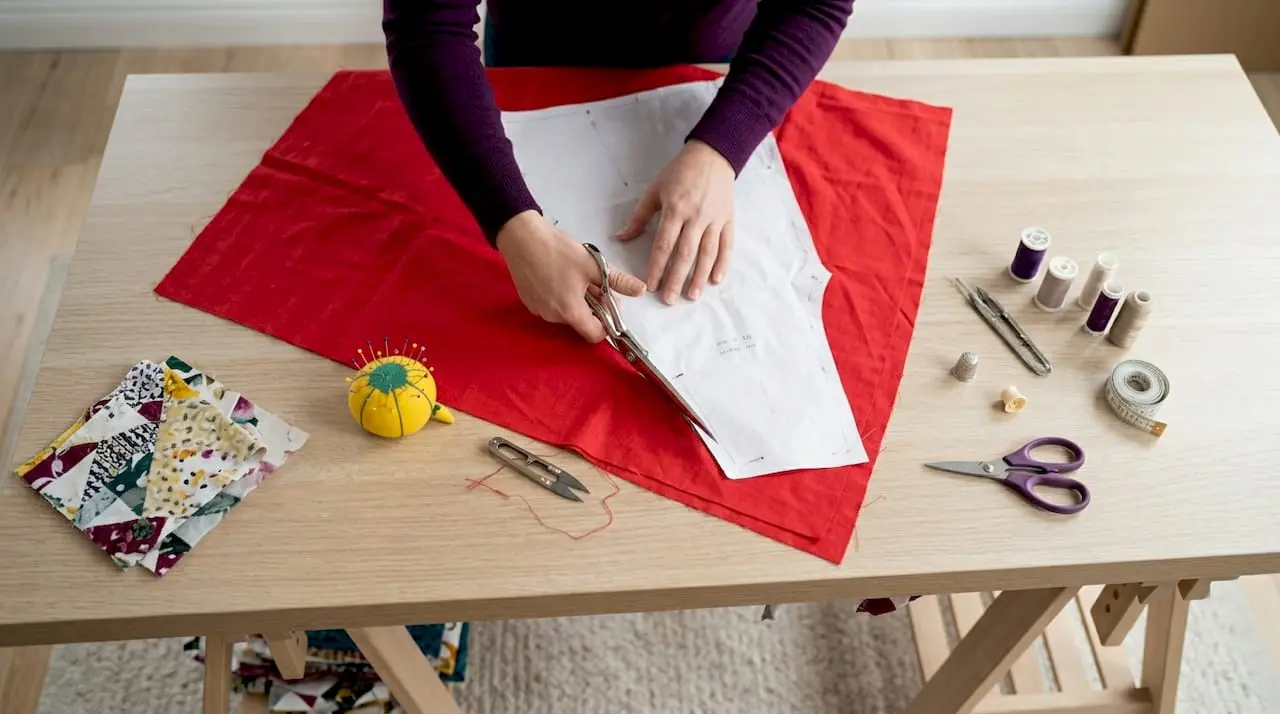
Patterns also manage complexity. Graded sewing patterns, for example, contain multiple size lines on a single sheet, allowing you to cut to one size for the bodice and another for the hips. That kind of built-in flexibility is only possible because the pattern encodes the logic of the design, not just its shape. Patterns support efficiency and clarity in project execution in ways that working freehand simply cannot replicate.
Think of your pattern as the difference between making something once by luck and making it reliably by design.
How to source, read, and create craft patterns
Whether you are hunting for custom craft pattern ideas or drafting from scratch, your approach should match your skill level and the demands of the project.
Finding quality patterns
Commercial sewing patterns typically cost between £13 and £28 per envelope from major companies, though free alternatives are widely available through open-access blogs, community sites, and platforms like Craftsuprint. For paper crafts and card making, printable downloads often undercut commercial print prices significantly.
Here is a quick comparison to help you decide where to look:
| Source | Cost | Skill level | Format |
|---|---|---|---|
| Community blogs | Free | Beginner to intermediate | PDF download |
| Commercial pattern companies | £13 to £28 | All levels | Physical or PDF |
| Digital craft platforms (e.g. Craftsuprint) | Free to low cost | All levels | Instant PDF download |
| Pattern books and magazines | £5 to £20 | Varies | |
| Self-drafted | Time only | Intermediate to advanced | Your own files |
Reading patterns confidently
New crafters often feel overwhelmed by pattern symbols. The fix is simpler than it looks. Learn the terminology specific to your craft and read instructions line by line rather than trying to absorb everything at once. Crochet symbol diagrams, for instance, use internationally standardised icons once you know what each one means, the chart becomes as readable as plain text.
Pro Tip: Before starting any new pattern, read through the entire instruction set once without doing anything. You will catch potential confusion points early and make the actual process much smoother.
Drafting your own patterns
How to create craft patterns from scratch follows a clear sequence:
- Start with your measurements or the dimensions of your intended object
- Sketch the basic shape on squared paper, then refine it
- Add all necessary construction markings (seam allowances, fold lines, cut lines)
- Test the pattern on inexpensive material before committing to your final fabric or card
- Revise based on your test, then store the final version for future use
For paper and card crafts, you can often photograph or scan an item you already love and use that as your template foundation. For textile work, a basic block in your size is a reliable starting point, provided you remember to add style and construction details before using it.
My take on patterns as a creative foundation
I have seen crafters at every level treat the technical side of patterns as an obstacle to get through before the fun begins. In my experience, that attitude is what causes most of the mistakes.
What I have learnt over years of working with and around craft communities is this: the crafters who produce consistently excellent work do not just follow patterns. They understand them. They can look at a pattern piece, read its markings, and know immediately whether something is missing or wrong before a single cut is made.
The common mistake I see most often is skipping the test phase. Someone finds a beautiful pattern online, cuts straight into their best fabric, and then discovers the proportions are slightly off or a seam allowance is missing. That frustration was entirely avoidable.
My honest recommendation is to treat pattern literacy as a core skill rather than a technical chore. Spend time with one pattern type you find confusing, whether that is reading a crochet chart or understanding grainlines on a sewing pattern, and master it properly. The return on that investment is every project you ever make afterwards going more smoothly.
There is also real creative freedom on the other side of technical understanding. Once you know what every element of a pattern does, you can modify it deliberately. You can extend a hem, adjust a repeat, or combine elements from two different patterns with confidence. That kind of creative control only comes from truly understanding the rules you are working with.
— Rob
Discover patterns and tutorials on Craftsuprint
If you want to put any of this into practice, Craftsuprint is a solid place to start. The platform hosts a wide range of downloadable craft patterns and tutorials covering card making, paper crafts, and themed projects for all skill levels, from first-time crafters to experienced designers looking for fresh inspiration.
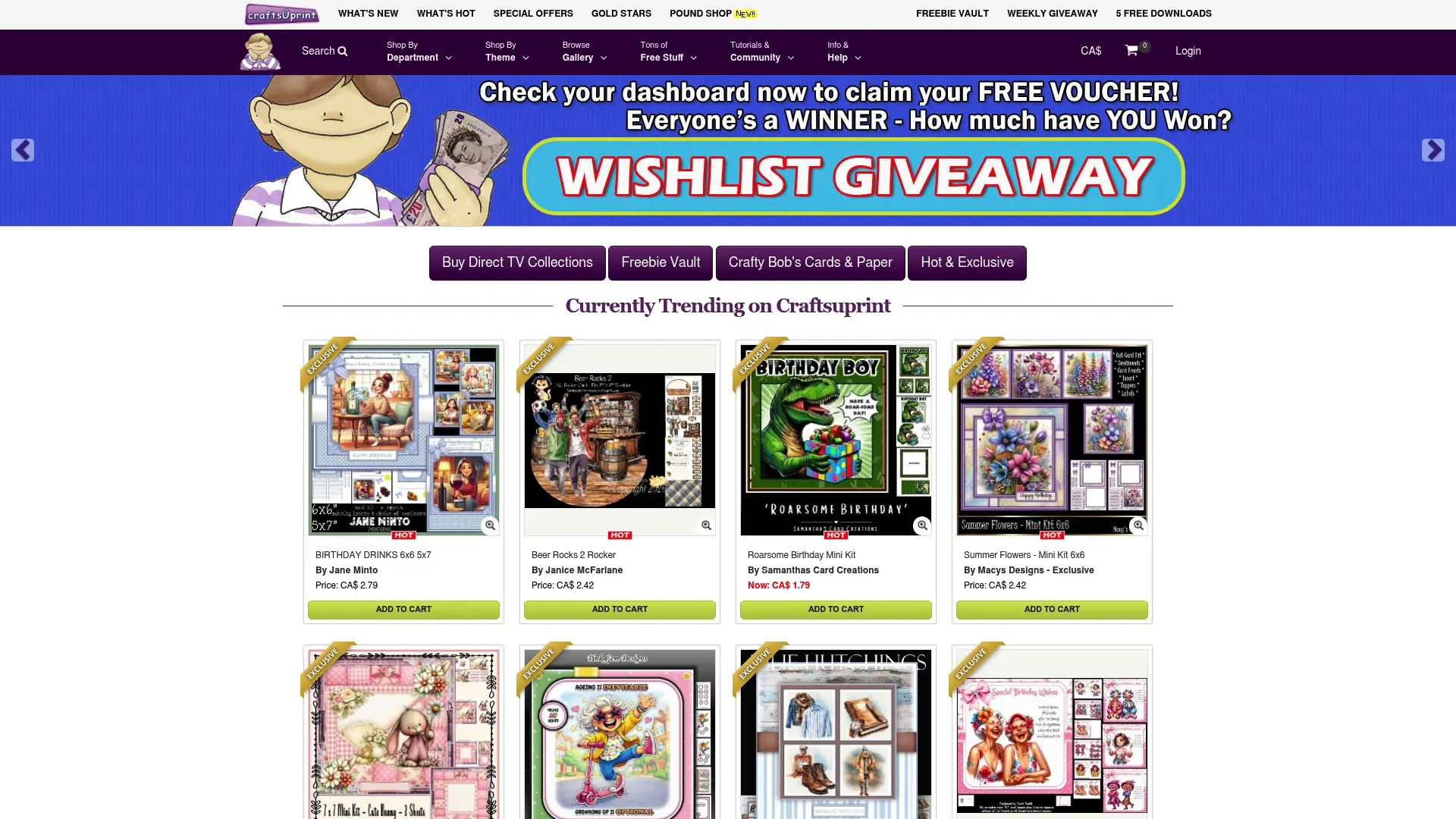
Free downloads are available weekly, so you can test new pattern types without any upfront cost. Premium downloads offer more complex projects with full instructions. The craft supplies and project library is particularly useful if you want tried-and-tested patterns rather than hunting across multiple sites. For anyone serious about building their pattern library, it is well worth exploring what is on offer.
FAQ
What does “defining craft patterns” actually mean?
Defining craft patterns means understanding them as technical documents, not just decorative designs. A craft pattern provides all the instructions, shapes, and markings needed to create a reproducible handmade item.
What are the key components of a functional craft pattern?
A functional craft pattern includes cutting lines, seam allowances, grainlines, and notches. These markings translate the design from paper into an accurate, finished object.
What is the difference between a basic block and a production pattern?
A basic block is a foundational template without styling or seam allowances. A production pattern includes all construction details needed to make a finished item directly.
Where can beginners find free craft patterns?
Beginners can find free patterns through community blogs, open-access websites, and digital platforms such as Craftsuprint, which offers weekly free downloads across multiple craft categories.
How do I start creating my own craft patterns?
Begin with accurate measurements, sketch the basic shape on squared paper, add all construction markings, and test on inexpensive material before cutting your final piece. Revise and store your finished pattern for future use.