
Creative card themes: 8 inspired ideas for 2026
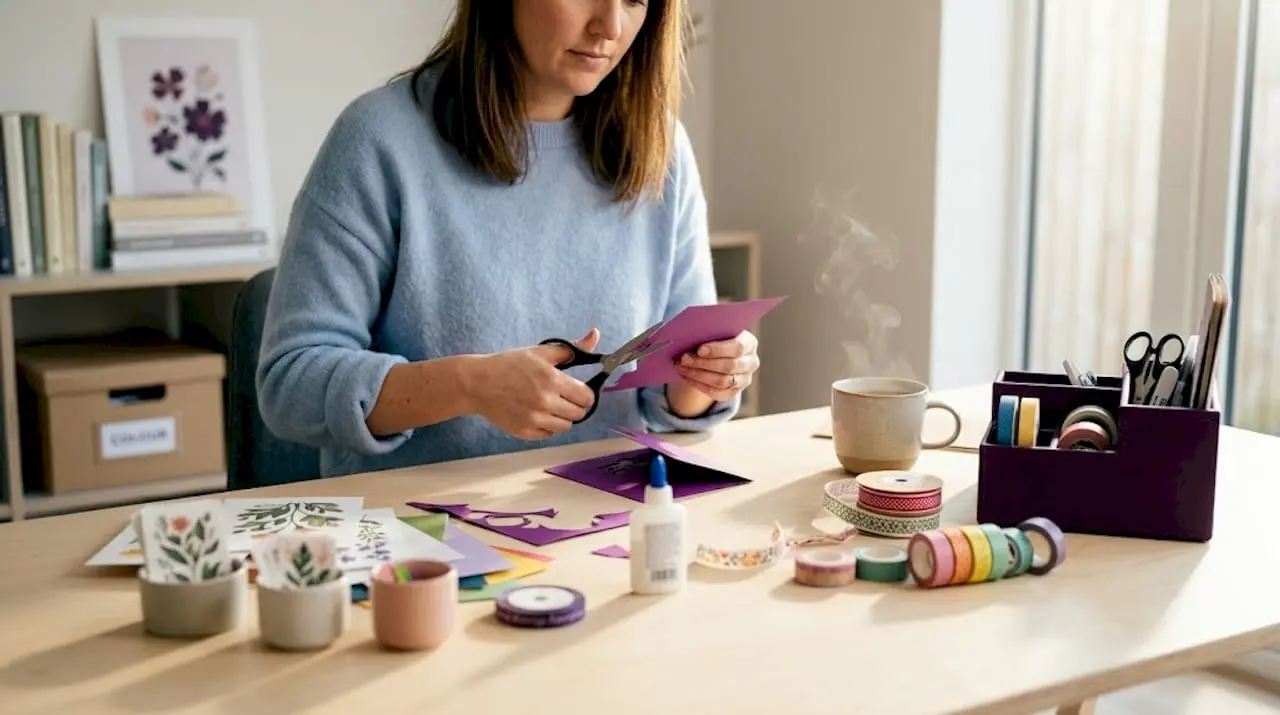
Whether you’re making a birthday card for a best friend or crafting an invitation from scratch, choosing from the many creative card themes available can feel genuinely overwhelming. The options stretch from pressed botanicals to AI-generated portraits, from pop-up sculptures to trading card tributes. This article cuts through the noise with a practical framework and eight specific, memorable themes that will actually inspire you to pick up the scissors and get started.
Table of Contents
- Key takeaways
- How to evaluate creative card themes before you start
- ## 1. Pressed botanical and floral themes
- 2. Trading card tribute designs
- 3. 3D pop-up cards
- 4. Memory timeline or journey themes
- 5. Interactive quiz and puzzle themes
- 6. Collage and mixed media themes
- 7. Quirky and humorous motifs
- 8. AI-generated imagery themes
- Comparing creative card themes at a glance
- How to choose the right theme for your project
- Common pitfalls and how to avoid them
- My take on where card making is actually heading
- Find your next card making project on Craftsuprint
- FAQ
Key takeaways
| Point | Details |
|---|---|
| Match theme to recipient | Tailoring your design to the recipient’s aesthetic makes a far stronger emotional impact. |
| Balance complexity with time | Some pressed flower cards take just 20 to 30 minutes and still look stunning. |
| Experiential themes last longer | Timelines, quizzes, and milestone designs create lasting records that recipients keep for years. |
| AI tools are a genuine option | AI-generated imagery produces personalised, emotionally resonant designs without needing illustration skills. |
| Avoid adhesive mistakes | Using double-sided tape prevents warping, a common problem for beginners working with layered designs. |
How to evaluate creative card themes before you start
Before committing to a design direction, it helps to run any theme through a quick checklist. The idea that looks stunning on someone else’s craft table might not suit your materials, your skill level, or the person you’re making it for.
The most practical starting point is the recipient’s aesthetic. Watercolour styles work broadly for most recipients, while vintage oil painting motifs suit formal milestones like anniversaries or retirements far better. Thinking about what the recipient already has on their walls or wears on their wrist is surprisingly useful.
Consider these factors before choosing your theme:
- Skill level. Be honest about where you are. A pop-up card with multiple layers is not a first project.
- Time available. Some themes are achievable in under half an hour; others require two or three sessions.
- Budget. Digital downloads and printed templates keep costs low. Custom trading card packs can reach considerably higher.
- Occasion formality. A quirky puzzle card suits a close friend; a memory timeline feels right for a milestone anniversary.
- Keepsake potential. Will the recipient keep this for a week or for a decade?
Pro Tip: Start by thinking about one memory you share with the recipient. The right theme will almost always support that story rather than compete with it.
## 1. Pressed botanical and floral themes
Pressed flower cards sit at the intersection of natural beauty and minimal effort. You can gather garden flowers, press them between book pages for a few days, and have a card that looks genuinely gallery-worthy. Simple botanical cards take 20 to 30 minutes to assemble once the pressing is done, which makes them one of the most accessible DIY card themes for beginners.
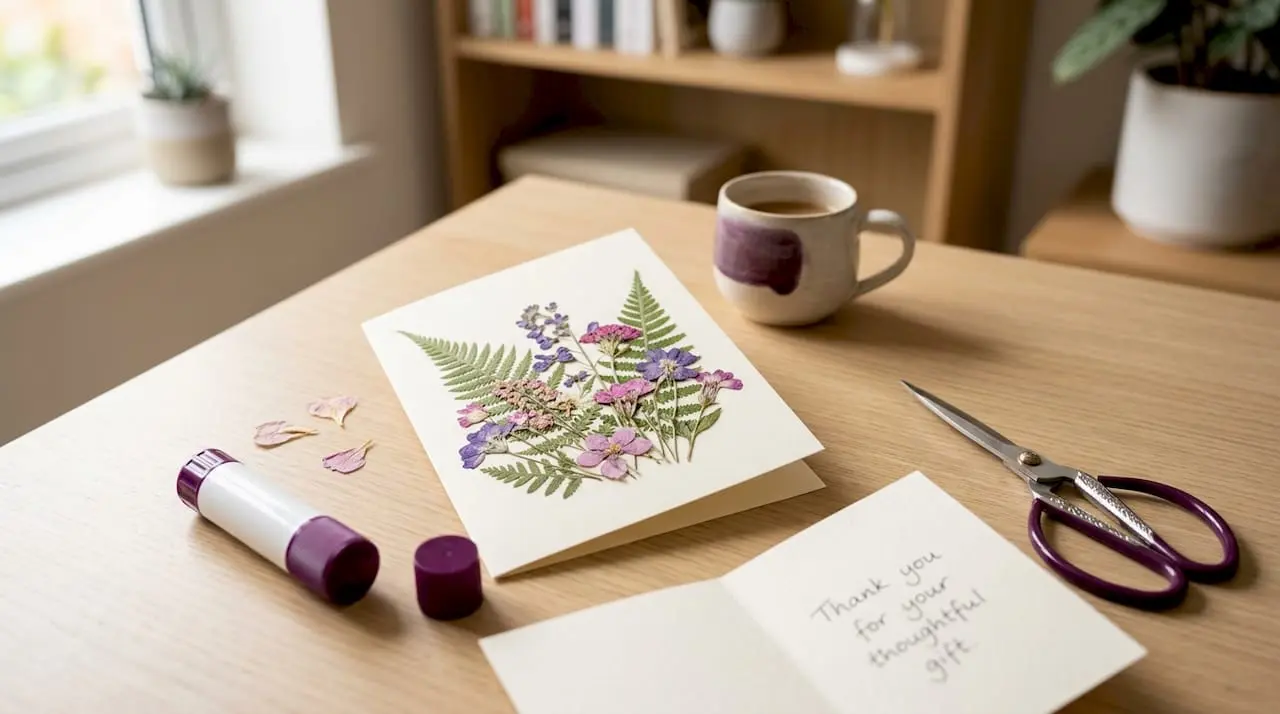
The key to making these feel polished rather than rustic is layering. Place a pressed fern frond as a background, add a few small blooms in the midground, and finish with a single focal flower at the front. The depth transforms a flat collage into something with real visual weight.
For botanical themes, using heavyweight watercolour card stock lets the flowers adhere cleanly and prevents any moisture from distorting the base. Pair with natural twine or a wax seal for a finishing touch that elevates the whole piece without adding complexity.
2. Trading card tribute designs
These are genuinely one of the most underused unique greeting card ideas going. The format takes the familiar sports trading card layout and replaces the athlete with your recipient, complete with their “stats”: years of friendship, number of terrible jokes told, signature hobby, and so on. The result is both funny and surprisingly sentimental.
Custom trading card designs start around $17.99 for a single card, which puts them in the premium range for a single greeting. However, designing your own version using a downloaded template keeps costs minimal while still achieving a professional look. High-quality smartphone photos are all you need to fill the portrait panel convincingly.
These cards work brilliantly for milestone birthdays, retirements, or sending off a colleague. The “stats” panel is where all the personalisation lives, so spend time making those genuinely specific and funny.
3. 3D pop-up cards
Pop-up cards have moved far beyond the simple heart-in-a-box format. Contemporary designs include layered forest scenes, architectural structures, and character-based tableaux that unfold when the card opens. The visual impact is immediate and completely unlike anything flat.
If you want to post one, note that some vendors offer a direct-mail service for an additional fee of around $5, which includes a personalised note. This is worth knowing if distance makes hand-delivery impossible. The critical thing when mailing your own is to pack all accessories inside the envelope securely, since small components can shift in transit and arrive incomplete.
For DIY crafters, scored and folded card mechanisms are learnable with a template. Start with a single-layer pop-up before attempting anything with multiple planes.
4. Memory timeline or journey themes
Rather than marking a single moment, these cards tell a whole story. A memory timeline arranges key milestones along a visual path, perhaps illustrated with small photos, drawings, or icons. For a couple’s anniversary, that might be the date they met, their first holiday, their wedding, and a recent shared moment. For a child’s birthday, it might chart their height, favourite films, and evolving hobbies year by year.
Experiential designs like timelines create lasting records that recipients tend to keep rather than recycle. That longevity is the real argument for the extra effort involved. These are custom card designs that become reference objects.
The format works in landscape orientation, giving you horizontal space to move the timeline left to right. Keep the type small and the images consistent in size for a result that reads cleanly.
5. Interactive quiz and puzzle themes
A quiz card replaces the standard written message with a short multiple-choice test about the recipient. “How well do you know Sarah?” with five questions and a key on the inside flap is funnier and more personal than almost any generic message could be.
Puzzle-format cards take this further: recipients must solve a small riddle or decode a message to read the greeting. This format works especially well for children’s cards but also lands brilliantly for adults who enjoy word games.
The design challenge here is fitting content without crowding. Use a clean grid layout and limit yourself to five questions or three puzzle stages at most. More than that and the card starts to feel like homework.
6. Collage and mixed media themes
Collage cards layer torn magazine paper, fabric scraps, old postage stamps, washi tape, and hand-lettered text into something that genuinely cannot be replicated. No two come out the same, which is precisely the point. These sit firmly in the territory of innovative card motifs because the aesthetic is shaped entirely by whatever materials you reach for.
The most effective collage cards have a colour palette, even a loose one. Without it, the result can read as chaotic rather than intentional. Pull three colours from one piece of source material and use them to select everything else.
Pro Tip: Washi tape edges and torn paper borders look far better than clean-cut ones for collage work. The irregularity reads as artistic rather than messy, provided the palette is controlled.
7. Quirky and humorous motifs
Humorous card themes are worth taking seriously as a design category, not just as a fallback when nothing more polished comes to mind. The best funny cards have consistent visual logic: a running joke developed across the inside and outside panels, or a deadpan photorealistic illustration paired with an absurd caption.
What separates a truly funny card from a lazy one is specificity. A card that references something genuinely particular to the recipient (“To the person who still quotes that film from 2004”) lands far harder than a generic meme format. Think of this as one of the most scalable unique greeting card ideas: the more specific the reference, the more the recipient feels genuinely seen.
8. AI-generated imagery themes
This is the most recent addition to the creative card maker’s toolkit. AI-generated prompts produce emotionally resonant images that can be tailored to a specific style, scene, or mood in seconds. A detailed text prompt describing the recipient’s garden, their beloved dog, or a favourite landscape can produce a bespoke illustration that looks nothing like a stock image.
The risk with AI imagery is losing the personal touch that makes a handmade card meaningful. The fix is straightforward: use the AI image as one layer in a broader design rather than as the entire card. Print it, mount it on card stock, add hand-lettered text, and finish with a hand-applied embellishment. The result combines precision with presence.
Comparing creative card themes at a glance
| Theme | Time needed | Difficulty | Materials | Best occasion | Keepsake value |
|---|---|---|---|---|---|
| Pressed botanical | 30 min (+ pressing time) | Beginner | Flowers, card stock, glue | Any | High |
| Trading card tribute | 45 min | Beginner/Intermediate | Photo, template, printer | Birthday, retirement | Medium/High |
| 3D pop-up | 60+ min | Intermediate/Advanced | Specialist card, scoring tool | All occasions | High |
| Memory timeline | 60 min | Intermediate | Photos, card, pen | Anniversary, milestone | Very high |
| Quiz or puzzle | 30 min | Beginner | Card, pen, design software | Birthday, farewell | Medium |
| Collage/mixed media | 45 min | Beginner | Magazines, tape, fabric | Casual gifting | Medium |
| Humorous motifs | 20 min | Beginner | Card, pen or printer | Casual, friendship | Low/Medium |
| AI-generated imagery | 45 min | Beginner (with tools) | AI platform, printer, card stock | Any | Medium/High |
How to choose the right theme for your project
You’ve seen the options. Now here is how to actually decide.
- Assess your tools honestly. Do you have a scoring tool for pop-ups? A printer for trading cards? Templates downloaded and ready? Match the theme to what you already have, not what you plan to acquire.
- Set a realistic time budget. If you have 45 minutes, botanical or humorous themes are your range. If you have an afternoon, consider a timeline or pop-up.
- Think about the recipient’s personality. A sentimental person will cherish a timeline. A competitive friend will love a trading card. Someone who values nature will keep a pressed flower card for years.
- Decide on the message type. Some themes carry emotional weight naturally; others work better for humour. Let the message shape the motif, not the other way around.
- Consider whether a hybrid approach works. There is nothing wrong with combining two themes: an AI-generated background image with pressed flowers layered over the top, for example, produces something genuinely original.
- Use digital templates to reduce complexity. Craftsuprint and similar platforms offer pre-built structures that let you focus on personalisation rather than technical construction.
Pro Tip: If you are genuinely stuck between two themes, make a small test card in both before committing to the full version. Ten minutes of exploration saves hours of regret.
Common pitfalls and how to avoid them
Good materials and technique matter more than people expect when making cards. Here are the most frequent mistakes and how to sidestep them.
- Adhesive mess. Double-sided tape and precision craft glue prevent the warping and smudging that liquid glues cause on thin card stock. Liquid glue is tempting because it feels stronger, but it nearly always distorts the paper.
- Poor photo quality for trading card designs. You do not need a professional camera. Good smartphone photos with strong natural light produce excellent results when paired with a well-designed template. Avoid indoor artificial lighting if you can.
- Losing components when mailing 3D cards. Always include every small accessory inside the envelope rather than attaching them externally. Stickers, charms, or paper embellishments posted loose will often be missing by the time the envelope arrives.
- Over-relying on AI imagery. AI tools are best used as a starting point or a single layer, not as the whole card. Add your own handwriting, a stamped border, or a physical embellishment to restore the human quality.
- Forgetting to test press time for botanicals. Different flowers need different pressing durations. Thicker flowers like roses need ten days; thinner ones like pansies are ready in four or five. Rushing this stage results in moisture transfer onto the card base.
- Treating budget as a fixed constraint. Premium results are achievable at low cost. A fine art-influenced design can inspire a card theme that costs under £2 in materials but looks far more expensive.
My take on where card making is actually heading
I’ve spent a lot of time looking at what card makers actually keep versus what they post and move on from. The pattern is consistent. Cards built around experience, around specific moments, memories, and relationship texture, are the ones that end up on fridges and in shoeboxes. Cards that are simply well-designed get appreciated and recycled.
What I find most interesting right now is the convergence of handmade and digital. A few years ago, the craft community was somewhat defensive about AI tools, as though using them meant the card was somehow less genuine. That conversation has largely moved on. The makers I most respect treat AI imagery the same way they’d treat a beautiful rubber stamp: as one tool in a broader process, not a shortcut to skip the rest.
The other thing I’d push back on is the idea that complexity signals effort. A pressed flower card with three blooms and clean, hand-lettered text communicates more care than a technically ambitious pop-up with stock sentiments inside. Skill matters, but intention matters more. The recipient always feels the difference.
What I’ve found most rewarding, both as a maker and in watching recipients open things, is when the theme is so specific that the card could only exist for that one person. That is the standard worth aiming for, whatever theme you choose.
— Rob
Find your next card making project on Craftsuprint
If any of these themes have sparked something, the next step is having the right resources to hand. Craftsuprint offers an extensive range of card making downloads and tutorials covering everything from botanical kits to pop-up templates, with options suited to complete beginners and experienced crafters alike. Every theme in this article has a corresponding starting point on the platform, whether that is a ready-to-print design, a layered template, or a step-by-step project guide.
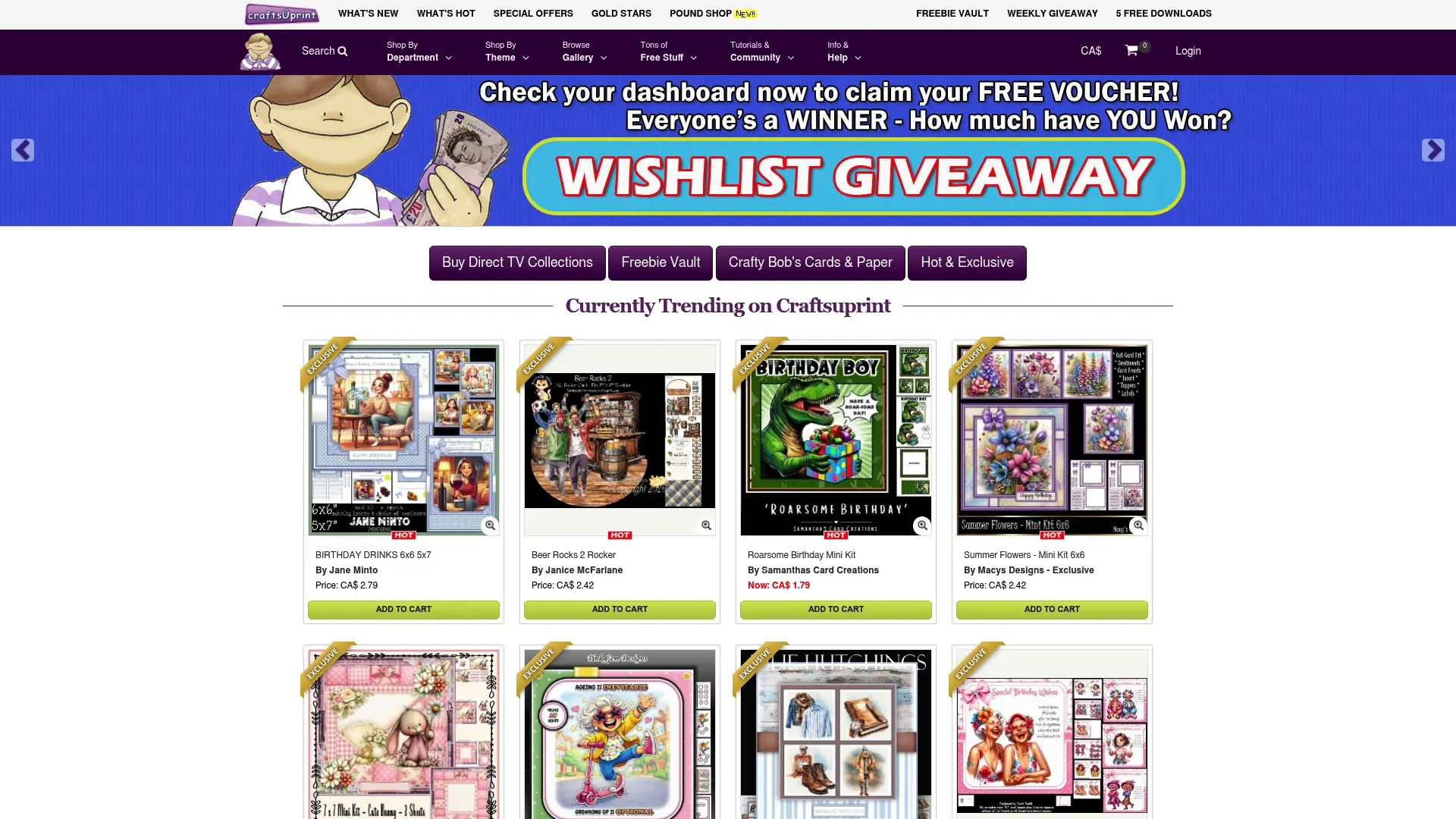
The site’s downloadable format means you can print, adapt, and personalise at home without waiting for delivery. Browse the full collection at Craftsuprint and find the template that fits your next project.
FAQ
What are the most popular card styles for beginners?
Pressed botanical cards and humorous motif cards are the most accessible starting points. Both require minimal specialist tools and can be completed in under an hour.
How do I choose between DIY card themes for different occasions?
Match the theme to the recipient’s personality rather than the occasion itself. A relationship-focused design like a memory timeline works for almost any milestone when personalised correctly.
Can AI tools really improve custom card designs?
Yes. AI-generated imagery can produce highly personalised illustrations quickly, but the best results come from combining AI output with handmade elements rather than using it as the sole design source.
What are the best materials for pressed flower card themes?
Use heavyweight watercolour card stock as your base and double-sided tape or precision craft glue to fix the botanicals without warping the surface.
Are trading card style greeting cards expensive to make?
Commercially produced versions can cost upwards of $17.99 per card, but creating your own using a downloaded template and a home printer brings the cost down to under £2 per card while still achieving a polished result.