
Explore creative card folding styles for crafters
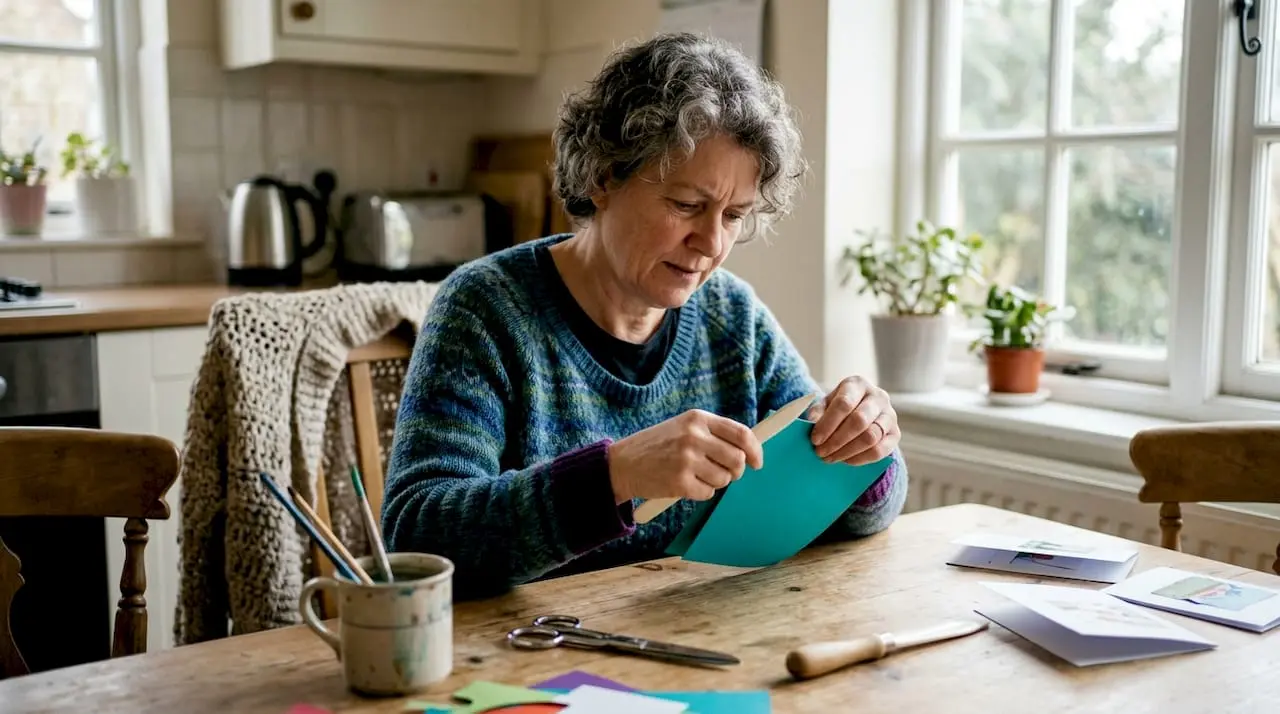
Card folding turns an ordinary piece of paper into something people genuinely want to keep. Whether you are making a birthday greeting, a wedding keepsake, or a simple thank-you note, the fold you choose shapes the entire experience. Yet with so many creative card folding styles available, picking the right one can feel overwhelming, especially when you want something that looks impressive but stays achievable with standard craft supplies. This article walks you through the key criteria, the most popular techniques, a clear comparison, and practical guidance on matching folds to occasions, so you can craft with confidence every time.
Table of Contents
- Key criteria for creative card folding
- Popular creative card folding styles explained
- Comparison of top folding styles
- Choosing the right fold for every occasion
- Why experimentation is the creative card maker’s secret
- Get started with creative folding today
- Frequently asked questions
Key Takeaways
| Point | Details |
|---|---|
| Match fold to occasion | Select folding styles based on the tone and function of the card you’re creating. |
| Consider skill level | Opt for beginner-friendly folds if you’re new or pressed for time; challenge yourself as you gain experience. |
| Mix and experiment | Blending folding styles and decorative touches leads to one-of-a-kind designs and personal satisfaction. |
| Use templates for accuracy | Templates and tutorials help achieve precise folds and spark new ideas. |
Key criteria for creative card folding
Having set the stage for why folding matters, let’s dig into how to pick the ideal style. Before you reach for the scissors, it pays to think through a few important factors. Rushing straight into a complex fold without preparation is one of the most common reasons crafters end up frustrated with the result.
Here are the main criteria to weigh up:
- Skill level: Some folds, like the Z-fold, take minutes to master. Others, such as explosion or pop-up cards, require precise measuring and scoring. Be honest with yourself about where you are right now.
- Occasion: A gatefold feels formal and elegant. An explosion card feels playful and dramatic. The mood of the fold should match the mood of the event.
- Materials: Heavier card stock holds structured folds better. Lightweight paper is more forgiving for gentle curves but can buckle under complex designs. Always check your card making downloads include guidance on recommended weights.
- Time available: A Z-fold can be finished in under ten minutes. A layered pop-up card might take an afternoon. Plan accordingly.
- Personal enjoyment: This one is often overlooked. If a particular fold makes you smile every time you make it, that enthusiasm shows in the finished piece.
Scoring tools deserve a special mention here. A bone folder or a dedicated scoring board creates crisp, clean folds that look professional. Using a ruler and a blunt tool like an empty ballpoint pen works in a pinch, but a proper scoring board saves time and reduces errors considerably.
Pro Tip: Always score on the inside of the fold for card stock thicker than 200gsm. This prevents cracking along the fold line and keeps your card looking polished.
Once you have run through these criteria, you will have a much clearer picture of which style suits your project before you cut a single sheet.
Popular creative card folding styles explained
Now that you know what to consider, here are the most creative styles you can try. Each one has a distinct character, and understanding what makes each fold special helps you choose with purpose rather than guesswork.
- Gatefold: Two panels open outward like a pair of doors, revealing the message inside. It feels ceremonial and works beautifully for wedding invitations and formal announcements.
- Z-fold: The card folds in a zigzag pattern, creating three panels. It is beginner-friendly, displays layered scenes well, and is surprisingly versatile for seasonal designs.
- Easel card: The card is scored so it stands upright on its own, like a miniature picture frame. Perfect for display pieces and greetings that deserve a prominent spot on a mantelpiece.
- Explosion card: When opened, a burst of layered shapes springs outward. The visual impact is extraordinary, though the construction demands patience and precision.
- Pop-up fold: A mechanism inside the card rises as it opens, adding interactive dimensionality. It works across themes, from children’s birthdays to sophisticated anniversary cards.
- Swing card: A central panel is attached so it swings outward as the card opens, creating a pleasing sense of movement and surprise.
For those who enjoy crafting gifts for guests at events, DIY guest gift folds offer wonderful inspiration for combining these techniques with personalised packaging.
Pro Tip: Before committing to a fold on your best card stock, always do a test run on plain printer paper. It costs nothing and saves your premium materials from unnecessary waste.
Exploring folding pattern tutorials is one of the quickest ways to see these styles in action and understand the mechanics before you begin.
Comparison of top folding styles
You have seen the individual techniques. Now let’s compare them head-to-head so you can make a decision at a glance.
| Fold style | Difficulty | Best occasion | Key advantage | Main challenge |
|---|---|---|---|---|
| Gatefold | Moderate | Weddings, formal events | Elegant reveal | Requires precise alignment |
| Z-fold | Beginner | Everyday, seasonal | Quick and versatile | Limited structural depth |
| Easel | Low to medium | Birthdays, displays | Stands independently | Needs sturdy card stock |
| Explosion | Advanced | Birthdays, celebrations | Maximum visual impact | Time-consuming to build |
| Pop-up | Medium | All occasions | Interactive and fun | Mechanism needs accuracy |
| Swing | Medium | Surprise cards, fun events | Unique movement effect | Central panel sizing is tricky |
A few additional points worth noting:
- Gatefolds pair particularly well with ribbon closures and wax seals for a luxurious finish.
- Z-folds are the best choice when you need to produce multiple cards quickly, such as for a class project or a large event.
- Explosion cards reward the effort with reactions that no flat card can match.
“The fold is the first impression. Before anyone reads a single word, the structure of the card tells them how much thought went into it.”
For those planning a special occasion, wedding card folding ideas show how gatefolds and swing cards can be elevated with the right embellishments. Browsing creative card templates also gives you a practical starting point for each style without having to draft measurements from scratch.
Choosing the right fold for every occasion
With the pros and cons clear, here is how to put your knowledge into practice. Matching the fold to the occasion is what separates a thoughtful card from a generic one.
- Birthdays: Pop-up and explosion folds add genuine surprise. The moment someone opens the card and something springs out, the reaction is immediate and joyful. These styles work especially well for children and for anyone who appreciates a bit of theatre in their greetings.
- Holidays: Z-fold and easel cards give you generous surface area for themed artwork. A Christmas easel card featuring a wintry scene looks stunning on a windowsill throughout the festive season.
- Weddings: Gatefolds and swing cards carry a natural elegance. The slow, deliberate opening of a gatefold builds anticipation, which suits the significance of a wedding perfectly.
- Everyday notes: The Z-fold is your best friend here. It is quick to make, easy to personalise, and looks far more considered than a standard flat card.
- Thank-you cards: An easel card works wonderfully because the recipient can display it as a reminder of the sentiment, rather than tucking it away in a drawer.
Pro Tip: Mix and match folds with unique embellishments for extra flair. A Z-fold card with a small pop-up element inside the central panel combines simplicity with surprise, and it takes very little extra time to achieve.
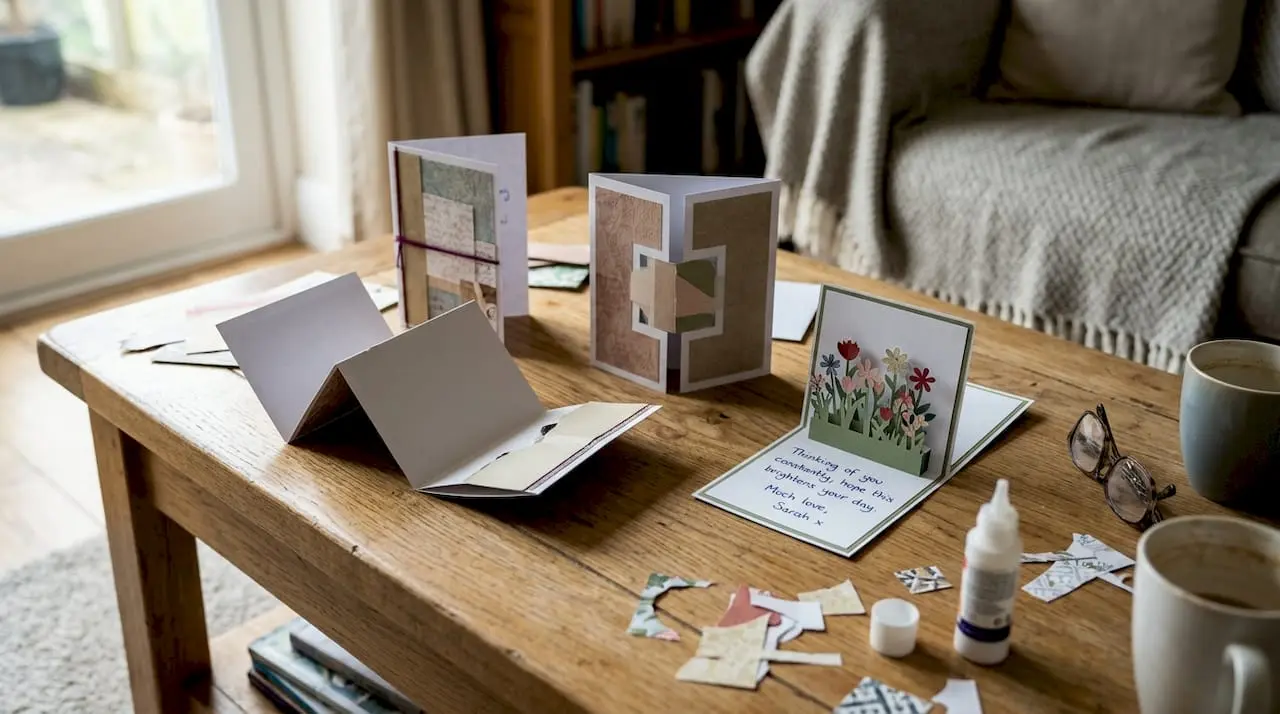
Browsing occasion-specific card designs can spark ideas you might not have considered, particularly when you see how professional designers combine folds with colour and pattern.
Why experimentation is the creative card maker’s secret
Here is something that experienced crafters rarely say out loud: the cards that get the biggest reactions are almost never the ones that went exactly to plan. Some of the most striking folding effects come from a miscalculation that turned into something better, or from asking “what if I tried this differently?” and following through.
The crafters who develop a recognisable style are not the ones who follow every tutorial to the letter. They are the ones who use tutorials as a starting point and then push the boundaries. Combining a gatefold with a pop-up mechanism inside, or adding a swing panel to an easel card, creates something genuinely original that no template can fully replicate.
This is where printable resources and structured tutorials become genuinely powerful. They give you a reliable foundation so that when you do experiment, you are building on solid technique rather than guessing. Mistakes become less costly and more instructive. Over time, your instincts sharpen and your personal style emerges naturally.
Do not wait until you feel “ready enough” to try something ambitious. Pick a fold that slightly intimidates you, do a test run on scrap paper, and see what happens. The creative card making community is built on people who were willing to have a go.
Get started with creative folding today
Ready to put these ideas into practice? Here is where to start.
Craftsuprint brings together everything you need to explore these folding styles without the frustration of hunting across multiple sources. From structured tutorials to ready-to-print kits, the platform is designed to make your crafting sessions more productive and more enjoyable.
Whether you are a complete beginner looking for your first Z-fold template or an experienced crafter searching for an explosion card kit to challenge your skills, you can download folding templates and get started today. The designs are created by independent makers who understand what crafters actually need, so the quality is consistently high. Browse the full range, find a style that excites you, and make something worth keeping.
Frequently asked questions
What tools do I need for creative card folding?
You will need sturdy card, a scoring tool or ruler, and scissors. Embellishments are optional but add real flair to the finished piece.
Which card folding style is best for beginners?
Z-fold cards are ideal for beginners. They are simple, quick to complete, and look professional even with basic skills.
How can I personalise my folded cards?
Add personal messages, hand-drawn details, or use printable card templates for unique, polished results that still feel handmade.
Can creative folds be used for all card sizes?
Most folding styles work on standard card sizes, but you may need to adjust measurements for very large or very small formats to keep proportions balanced.