
Crafting for hobbyists: your complete starter guide
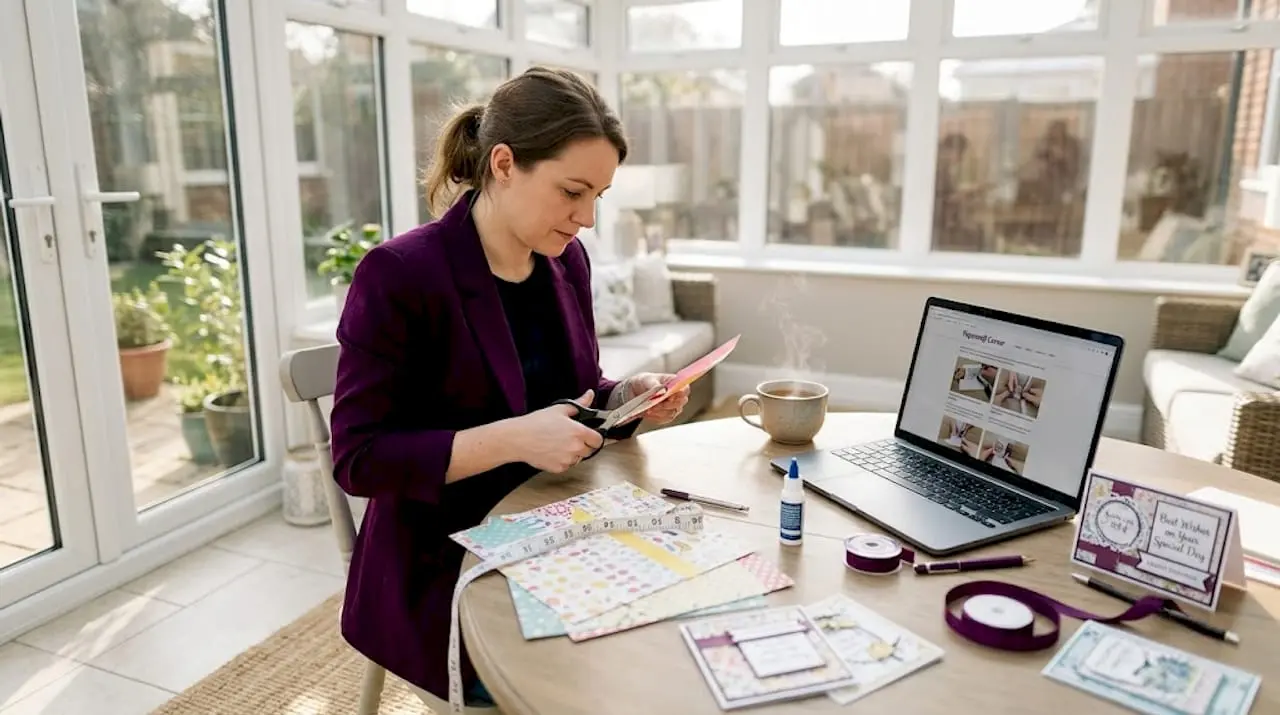
Crafting is one of those hobbies that sounds simple on the surface but runs surprisingly deep. So what is crafting for hobbyists, exactly? It is an active, skill-building pursuit that covers everything from paper crafts and embroidery to crochet, knitting, and card making. The scale of it might surprise you. The global crafting market is projected to reach $110 billion by 2034, and 71% of Americans already identify as crafters. Whether you are picking up scissors for the first time or returning to a craft you left behind years ago, this guide covers everything you need to know to start well.
Table of Contents
- Key takeaways
- What is crafting for hobbyists, really?
- Beginner-friendly techniques and project ideas
- Common challenges and how to overcome them
- Health benefits of crafting backed by research
- Why I believe crafting is one of the best hobbies you can pick up
- Start your crafting journey with Craftsuprint
- FAQ
Key takeaways
| Point | Details |
|---|---|
| Crafting is active, not passive | Unlike scrolling or watching TV, crafting builds real skills and provides a sense of meaningful progress. |
| Beginners can start today | Simple projects like paper flower cards take under 20 minutes and cost very little to complete. |
| Health benefits are well documented | Regular crafting for 2+ hours per week is linked to reduced stress, anxiety, and depression. |
| Analysis paralysis is the main enemy | Starting with cheap materials and an imperfect project beats weeks of planning every time. |
| Community makes it sustainable | Joining a crafting group, online or local, significantly increases motivation and long-term engagement. |
What is crafting for hobbyists, really?
Crafting is not just making things with your hands. It is an intentional, skill-based activity where you make something tangible from raw materials, whether that is a handmade birthday card, a crocheted blanket, or an embroidered wall hanging. What separates it from passive leisure is effort and progression. Every session teaches you something new.
Researchers use the term “serious leisure” to describe hobbies like crafting, where the activity offers eudaimonic satisfaction. This is the kind of deep contentment that comes from mastery and meaning, not just momentary pleasure. Watching a series on a streaming platform feels good in the moment. Finishing a handmade greetings card feels different. You made something that exists in the world, and that matters.
“Crafting allows stepwise skill acquisition, fulfilling human needs for meaning and purpose in a way that passive leisure simply cannot replicate.”
What counts as hobby crafting? The category is broad. Here are some of the most widely practised types:
- Paper crafts and card making including cutting, folding, stamping, and decoupage
- Textile crafts such as knitting, crochet, embroidery, cross-stitch, and sewing
- Mixed media arts combining paint, collage, and found materials
- Macramé and weaving using cord, yarn, and natural fibres
- Scrapbooking for preserving memories in decorative layouts
- Jewellery making with beads, wire, and resin
Each of these can be practised on any budget and at any skill level. That accessibility is a big part of what makes hobby crafting so enduring.
Beginner-friendly techniques and project ideas
One of the biggest myths about crafting is that you need to invest heavily before you start. You do not. Simple paper flower cards can be completed in just 20 minutes with basic, low-cost materials. That is a finished, gift-worthy project in less time than most TV episodes.
Here is a quick-reference guide comparing popular crafting hobbies for beginners:
| Craft | Time to first project | Approx. cost to start | Skill level |
|---|---|---|---|
| Paper card making | 20 minutes | Under £5 | Very easy |
| Crochet | 1 to 2 hours | £5 to £15 | Easy |
| Embroidery | 2 to 4 hours | £5 to £20 | Easy to moderate |
| Cross-stitch | 2 to 5 hours | £5 to £20 | Easy to moderate |
| Knitting | 1 to 3 hours | £10 to £25 | Moderate |
| Macramé | 2 to 4 hours | £10 to £20 | Easy to moderate |
| Scrapbooking | 30 to 60 minutes | £10 to £30 | Very easy |
Beyond the cost and time advantages, crafting doubles as a genuine digital detox. When your hands are busy with yarn or paper, your screen time drops naturally. Many hobby crafters describe their sessions as the most genuinely restorative part of their week, not because they are forcing themselves to relax, but because tactile, focused work quietens mental noise in a way that passive screen use simply does not.
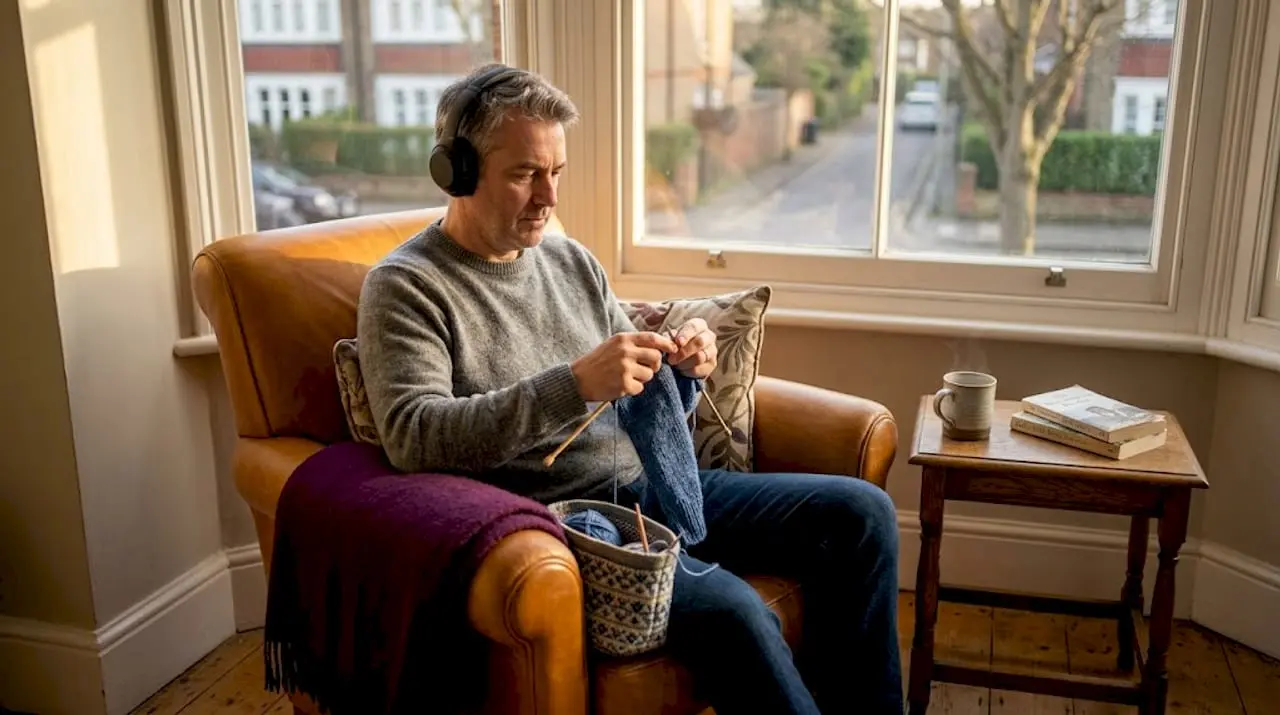
If you are choosing where to begin, paper crafts and card making are hard to beat. The materials are inexpensive, the techniques are forgiving, and the results are immediately usable as gifts or decorations. Crochet and embroidery are excellent second choices, particularly if you enjoy repetitive, meditative motion.
Pro Tip: Try pairing a low-concentration craft like knitting or cross-stitch with a podcast or audiobook. Experienced crafters use this approach to make sessions feel like a treat rather than a task, and it significantly improves long-term engagement.
Common challenges and how to overcome them
The single biggest obstacle most beginners face is not lack of skill. It is analysis paralysis, the tendency to spend so long researching the perfect craft, the perfect tools, and the perfect first project that you never actually start. Sound familiar? You are not alone.
The fix is deliberately unglamorous. Buy the cheapest materials available. Choose the simplest possible project. Make something terrible. That first imperfect project is more educational than any amount of planning, and it breaks the psychological barrier that stops most beginners from progressing.
Here are practical steps to build a crafting habit that actually sticks:
- Pick one craft only. Choosing three simultaneously guarantees you will master none of them. Commit to a single technique for at least a month before exploring others.
- Start with a 15-minute session. Small, regular sessions beat long, infrequent marathons for skill development and habit formation.
- Use habit stacking. Pair crafting with something you already do. A morning coffee and 20 minutes of card making is a ritual before you know it. Research confirms that pairing crafting with routines makes the habit stick far more reliably.
- Join a community. Whether that is a local craft circle, an online forum, or a social media group, being around other crafters keeps motivation high and provides an easy source of technique advice.
- Track your progress visually. Photograph your projects, however basic. Seeing your early work alongside your later work is one of the most motivating things you can do. Most crafters feel comfortable with basics after just 10 to 20 hours of practice.
- Give yourself permission to be bad at it. Crafting is a hobby, not a performance. The goal is enjoyment and growth, not a faultless result every time.
Pro Tip: For physically demanding crafts like quilting or macramé, work in short sections rather than trying to power through. This prevents strain and keeps enthusiasm high across multiple sessions.
Health benefits of crafting backed by research
The case for crafting as a wellbeing tool has moved well beyond anecdote. Research consistently shows that regular creative hobbies produce measurable improvements in mental and physical health.
The headline finding: art-based hobbies for 2+ hours per week are associated with reduced stress, anxiety, and depression, as well as over eight additional years of life expectancy. That is not a small effect. It rivals the impact of many clinical interventions.
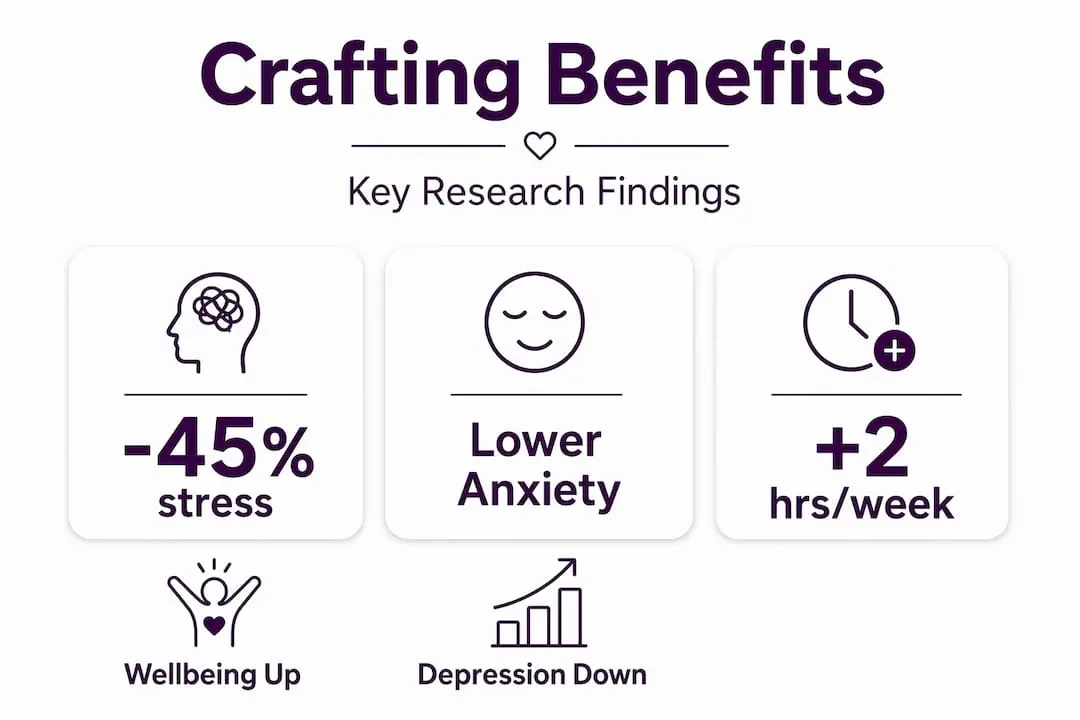
| Health benefit | What the research shows |
|---|---|
| Stress reduction | Crafting lowers cortisol levels during and after sessions |
| Anxiety relief | Repetitive, focused tasks calm the nervous system |
| Reduced depression | Creative expression supports emotional regulation |
| Cognitive stimulation | Fine motor tasks engage multiple brain regions simultaneously |
| Longevity | Regular engagement with creative hobbies linked to 8+ extra years of life expectancy |
The mechanisms behind these benefits are worth understanding. Crafting requires focused attention, which quietens the default mode network in the brain, the part responsible for rumination and anxious thoughts. It also engages fine motor skills, spatial reasoning, and problem solving simultaneously, which provides the kind of gentle cognitive workout associated with long-term brain health.
Health systems are taking notice. Social prescribing programmes now formally recommend creative hobbies to improve quality of life and reduce biological stress markers. This is not alternative medicine. It is evidence-based recognition that making things with your hands addresses real human needs for purpose, mastery, and calm.
“Hobbies like crafting fulfil psychological needs for competence and autonomy, contributing to eudaimonic wellbeing in ways that passive entertainment simply cannot match.”
Why I believe crafting is one of the best hobbies you can pick up
I have watched a lot of people take up hobbies and abandon them. What strikes me about crafting, specifically, is how rarely that happens once someone gets past the first few sessions. The reason, I think, is that crafting returns something to you. It gives you evidence of your own capability in physical form.
The most common misconception I encounter is the belief that you need to be “creative” or “artistic” before you start. That is backwards. You become more creative by making things, not before. The skill comes through the doing, not as a prerequisite for it. I have seen complete beginners produce work they are genuinely proud of within weeks of starting, simply because they stopped waiting to feel ready and just began.
What I find genuinely underrated is how well crafting fits into a busy life. You do not need a dedicated studio or a free afternoon. Fifteen minutes at the kitchen table with some card stock and a few printable templates from Craftsuprint produces something real. In a world that moves very fast and rarely hands you a finished result, that matters enormously.
Crafting is not about being perfect. It is about making, learning, and the quiet satisfaction of holding something in your hands that did not exist an hour ago.
— Rob
Start your crafting journey with Craftsuprint
If you are ready to pick up a craft, the most practical question is where to find good materials and project templates without spending a fortune or trawling through hundreds of options.
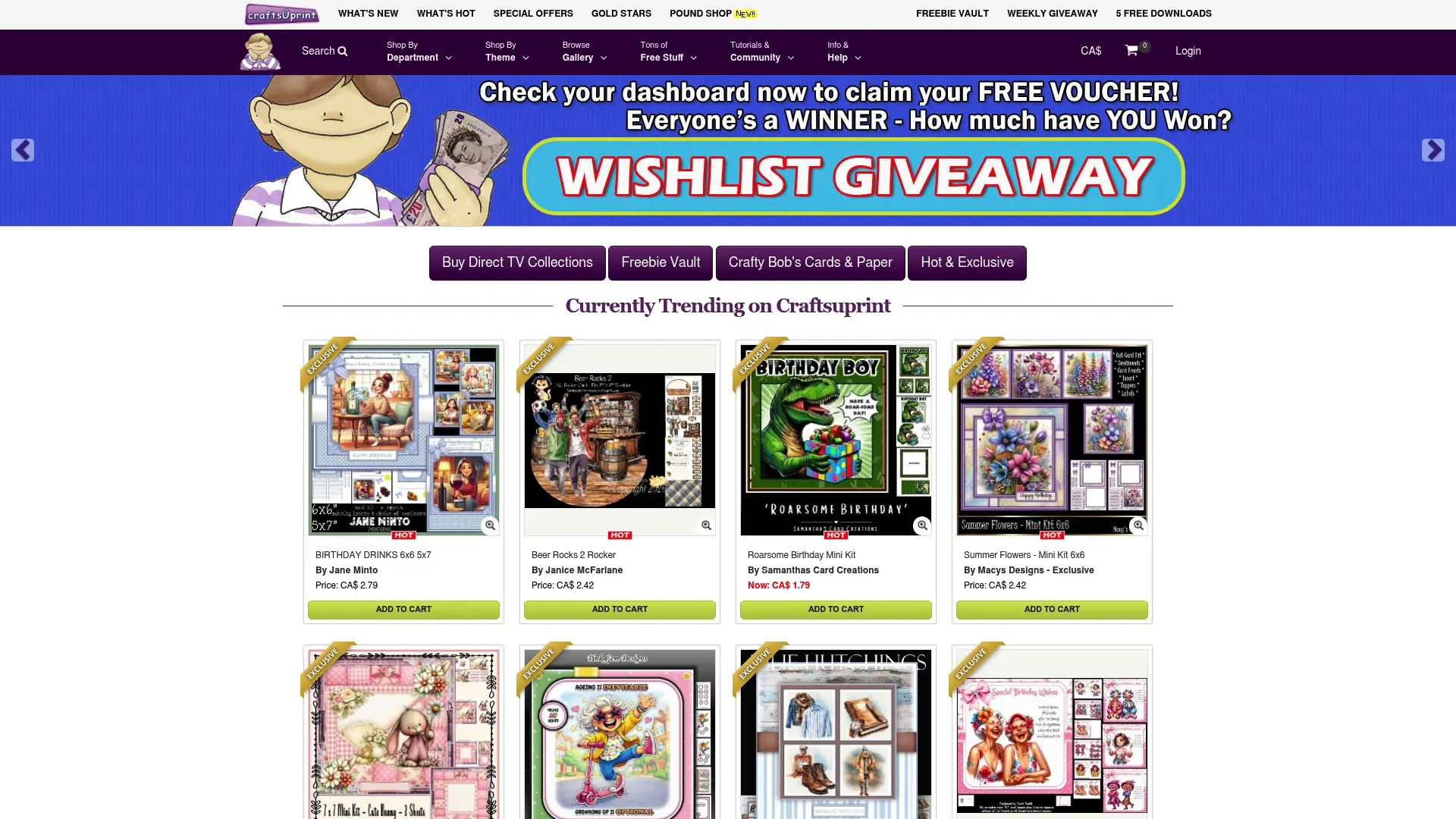
Craftsuprint is a dedicated resource for hobby crafters, offering card making downloads, craft projects, and tutorials suited to all skill levels. Whether you want a ready-to-print paper craft kit for a quick weekend project or a more involved card making design, you will find beginner-friendly options at affordable prices. The platform also features weekly freebies and a supportive community of designers and crafters, making it a genuinely useful starting point if you want to get your first project finished quickly and enjoyably.
FAQ
What does crafting as a hobby involve?
Crafting as a hobby involves using materials and techniques to make physical objects by hand, from cards and textiles to jewellery and paper art. It is an active, skill-building pursuit that supports creativity, wellbeing, and personal expression.
How do I start crafting as a hobby with no experience?
Choose one beginner-friendly craft, buy inexpensive starter materials, and complete a simple project straight away. Most beginners feel comfortable with the basics after 10 to 20 hours of practice, so starting imperfectly is far better than waiting until you feel ready.
What are the most popular crafting hobbies for beginners?
Paper card making, crochet, embroidery, cross-stitch, and scrapbooking are among the most accessible crafting hobbies for beginners. All have low startup costs, forgiving learning curves, and quick first-project wins.
Are there real health benefits to crafting?
Yes. Regular engagement with art-based hobbies for two or more hours per week is linked to reduced stress, anxiety, and depression, as well as over eight additional years of life expectancy. Health providers increasingly recommend crafting through social prescribing programmes.
How much time do I need to dedicate to crafting each week?
Even 15 to 20 minutes per session makes a meaningful difference when practised consistently. Pairing short crafting sessions with an existing daily routine is one of the most reliable ways to build a lasting habit.